
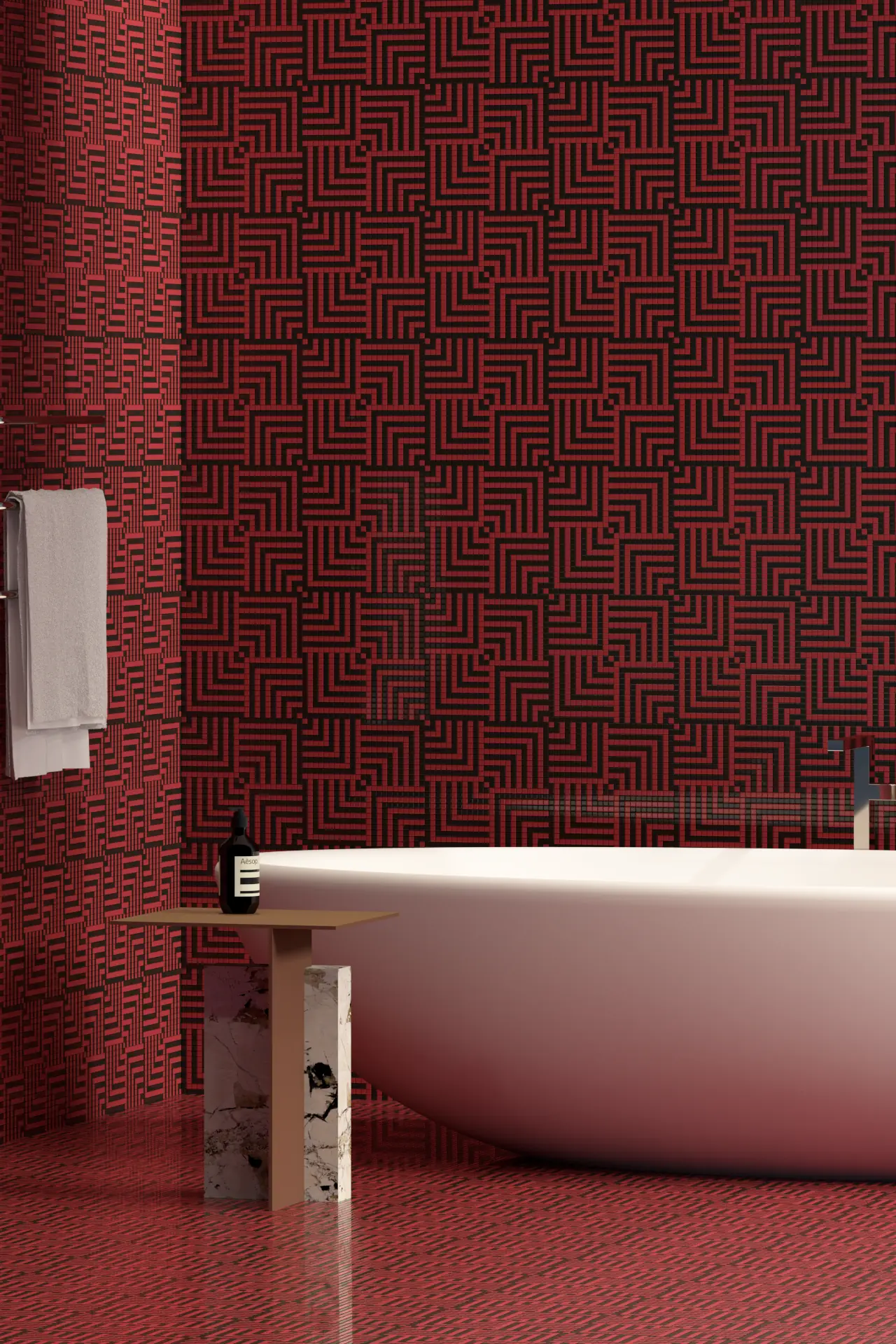
Overlap
The Colours
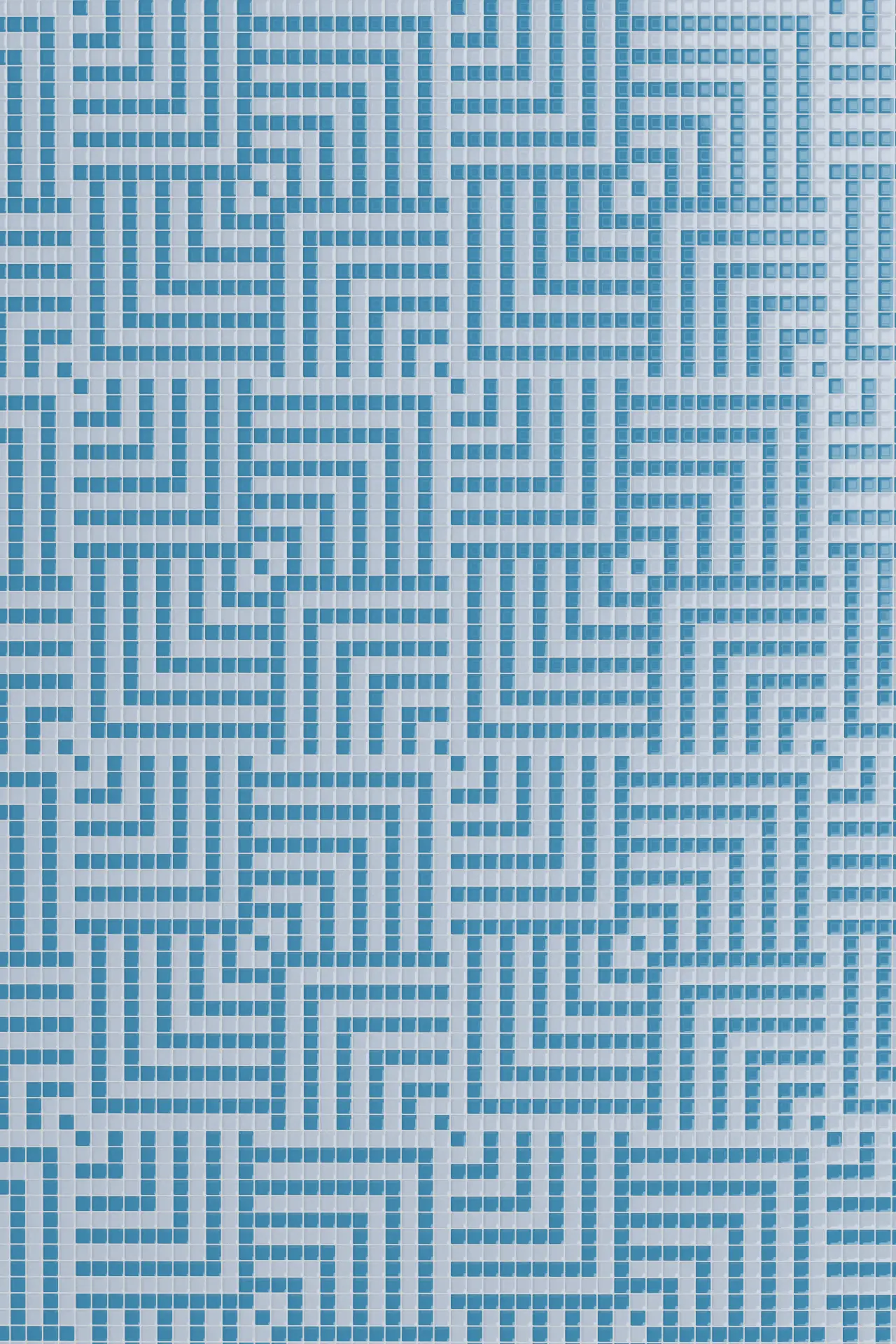
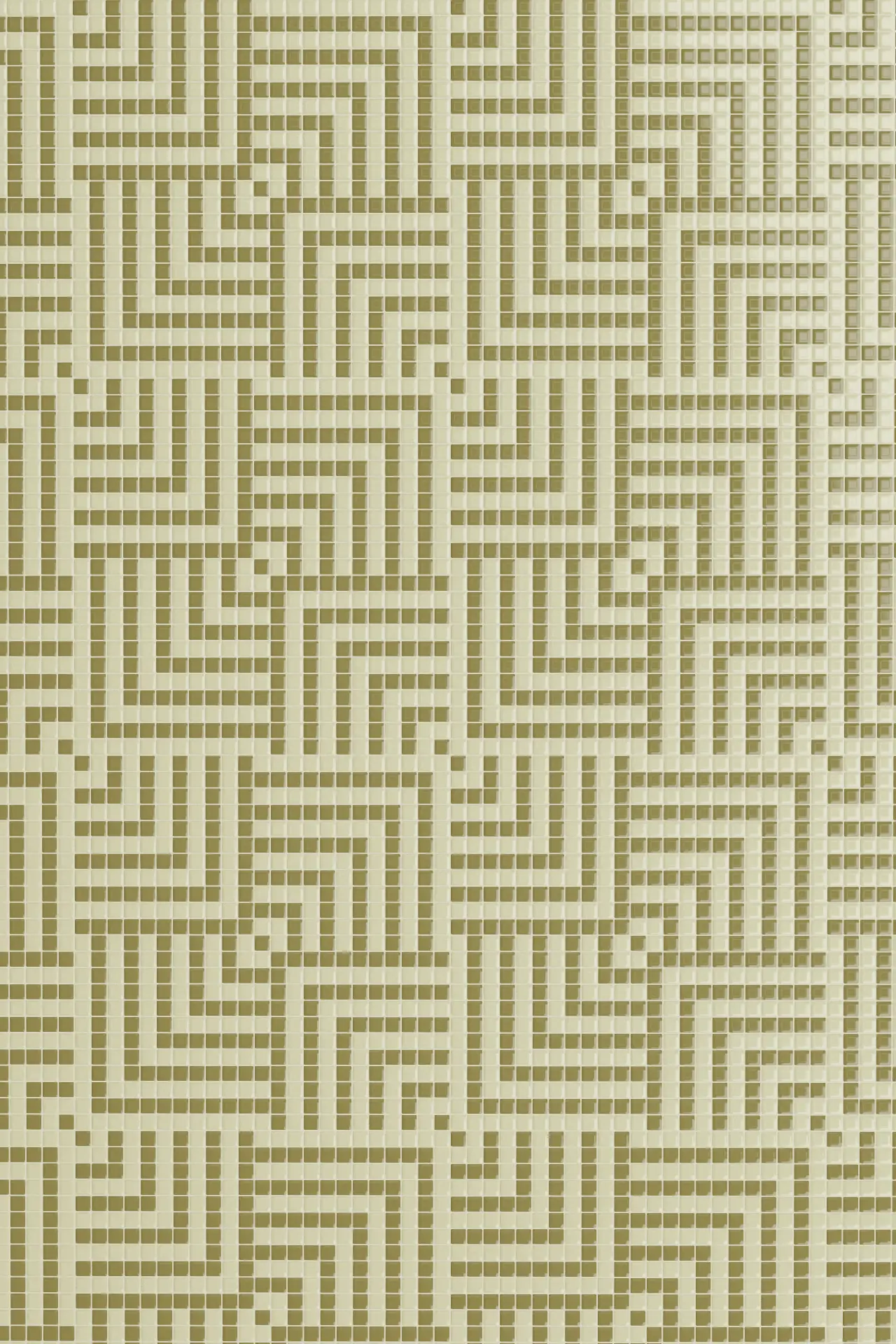
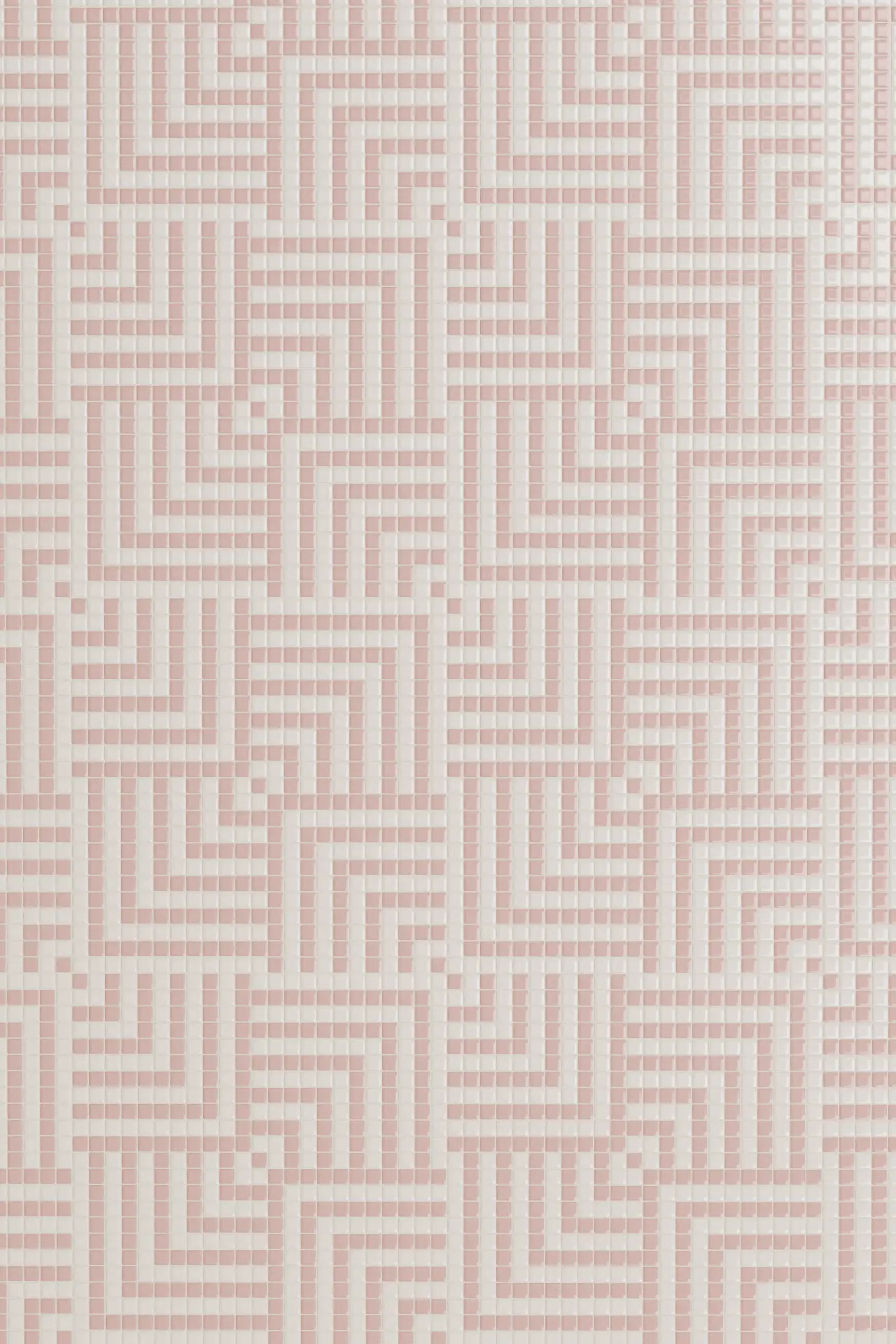
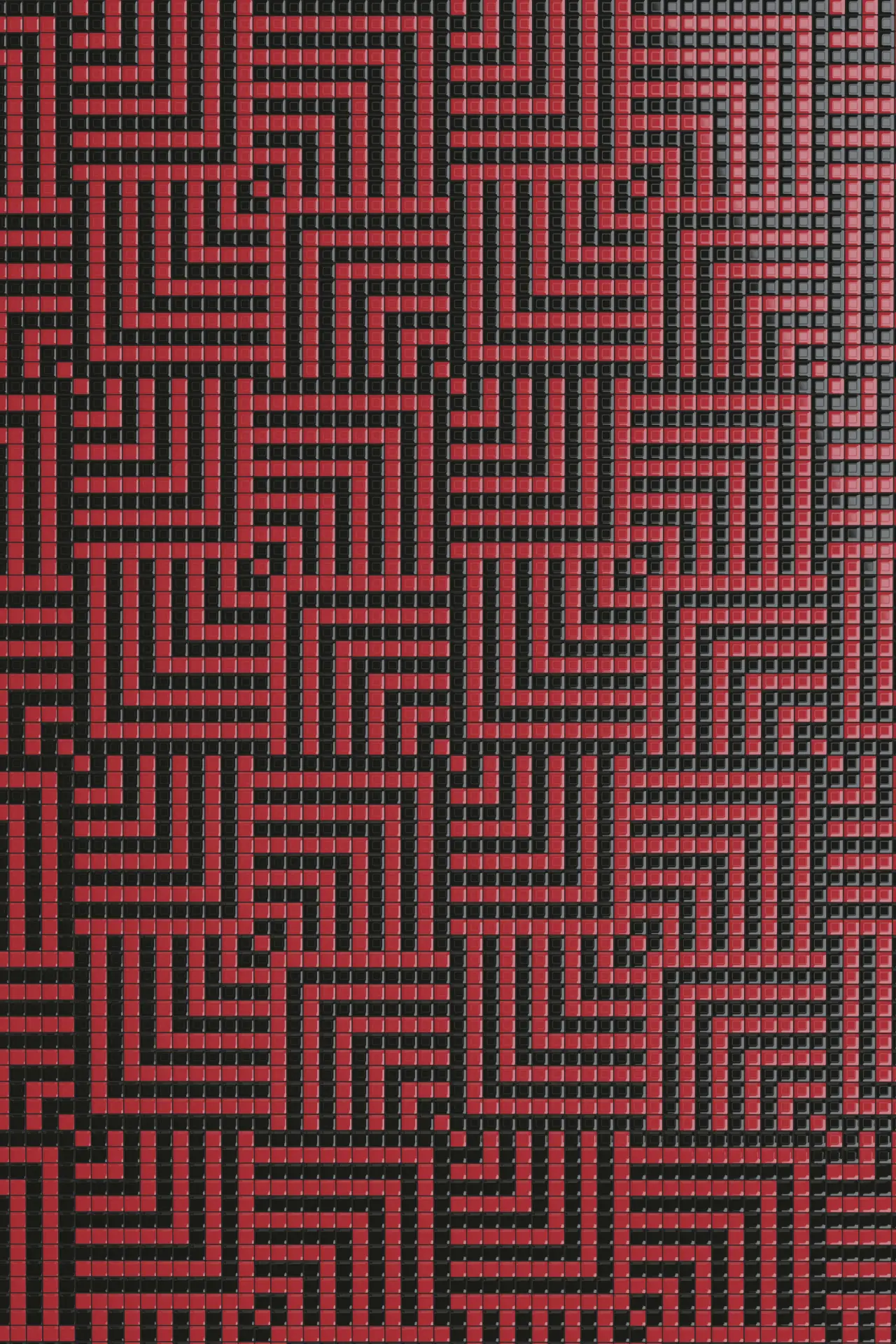
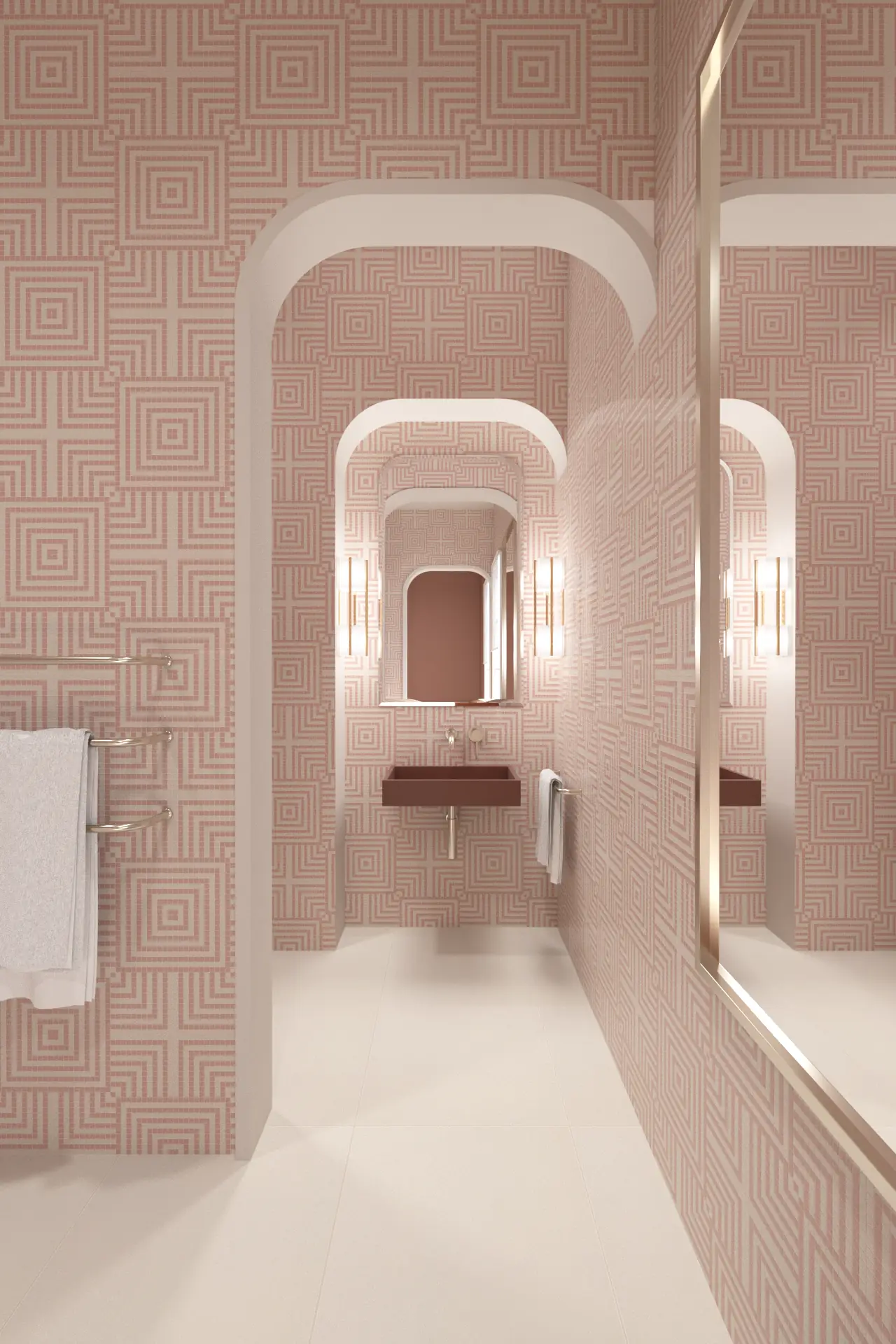
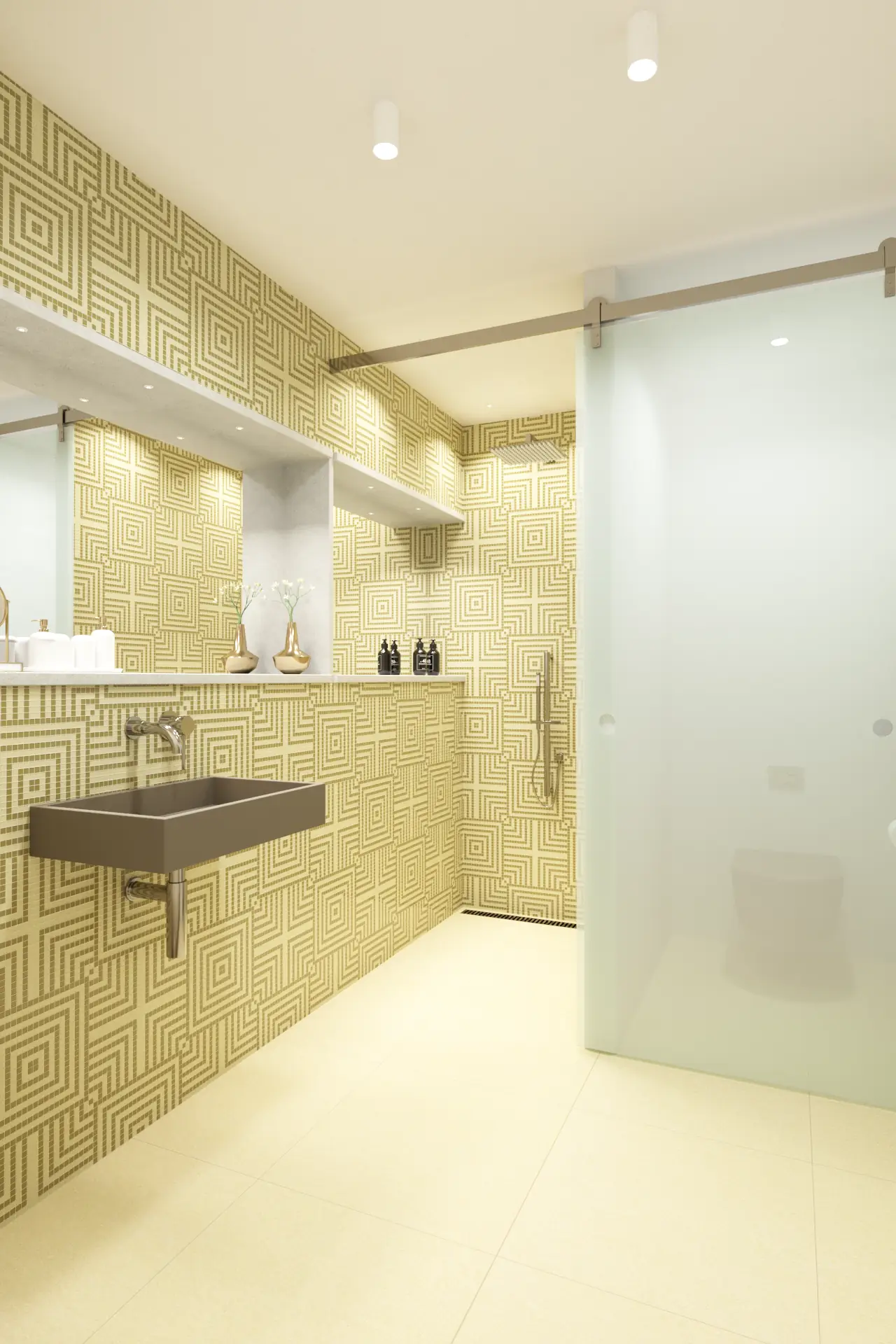
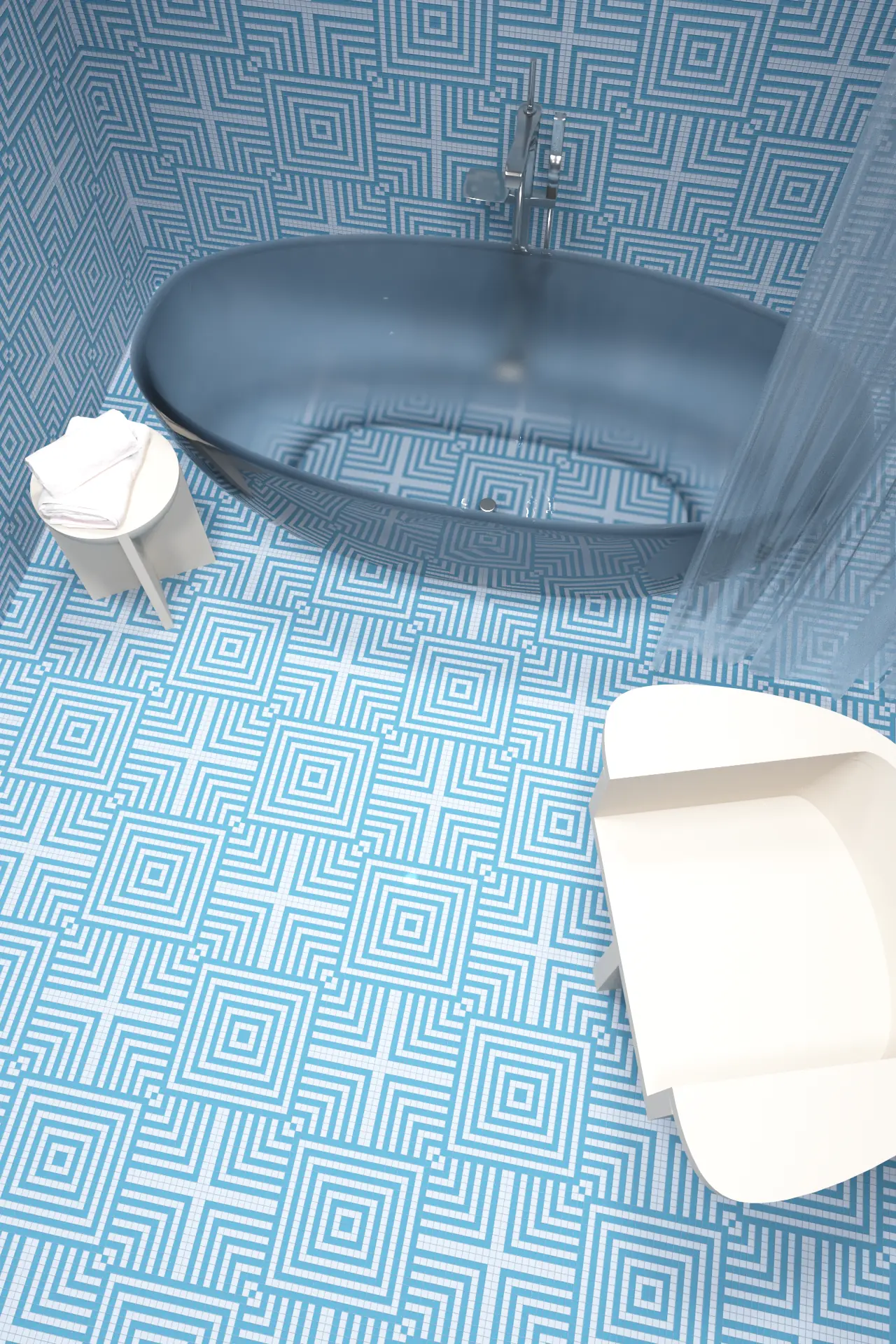
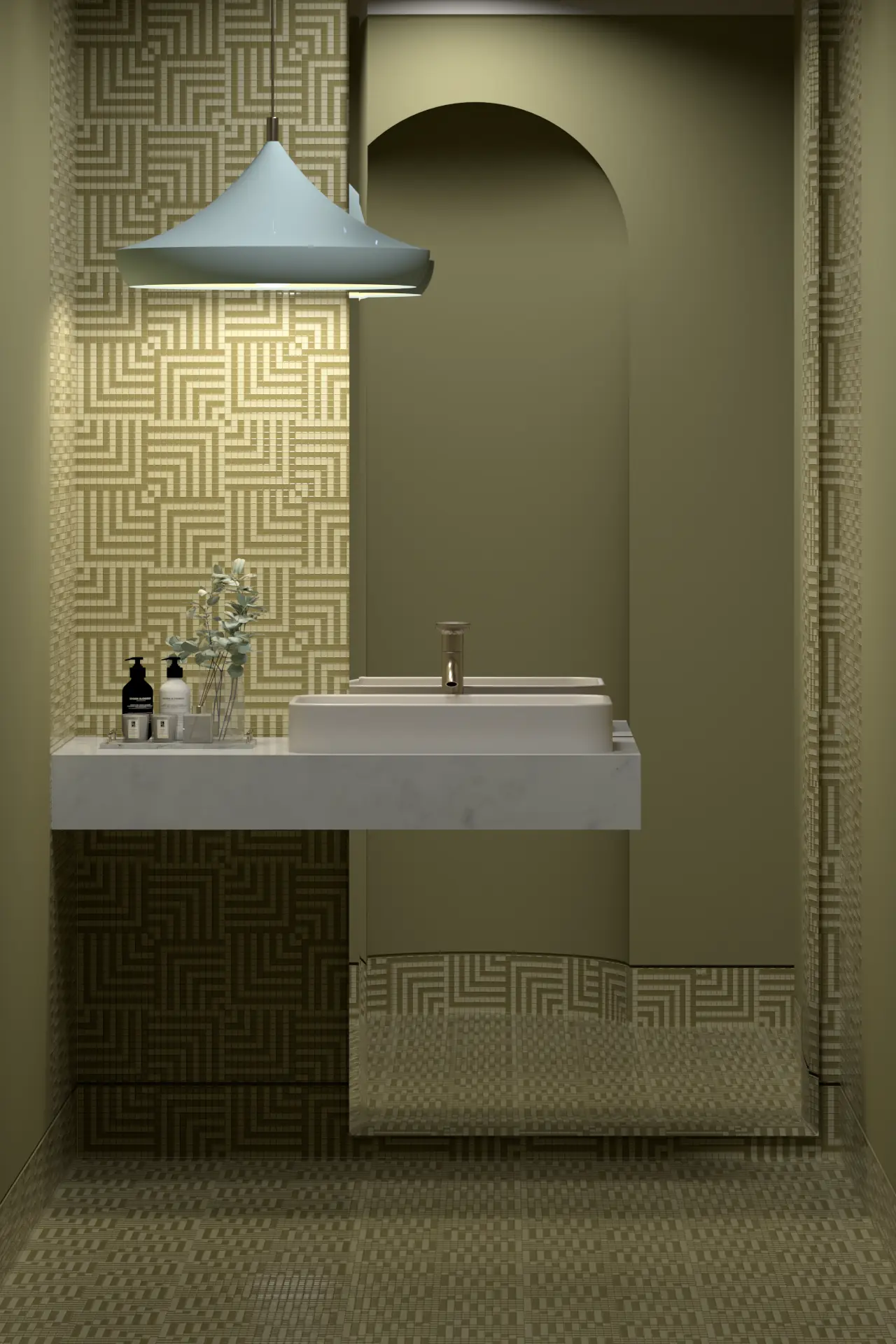
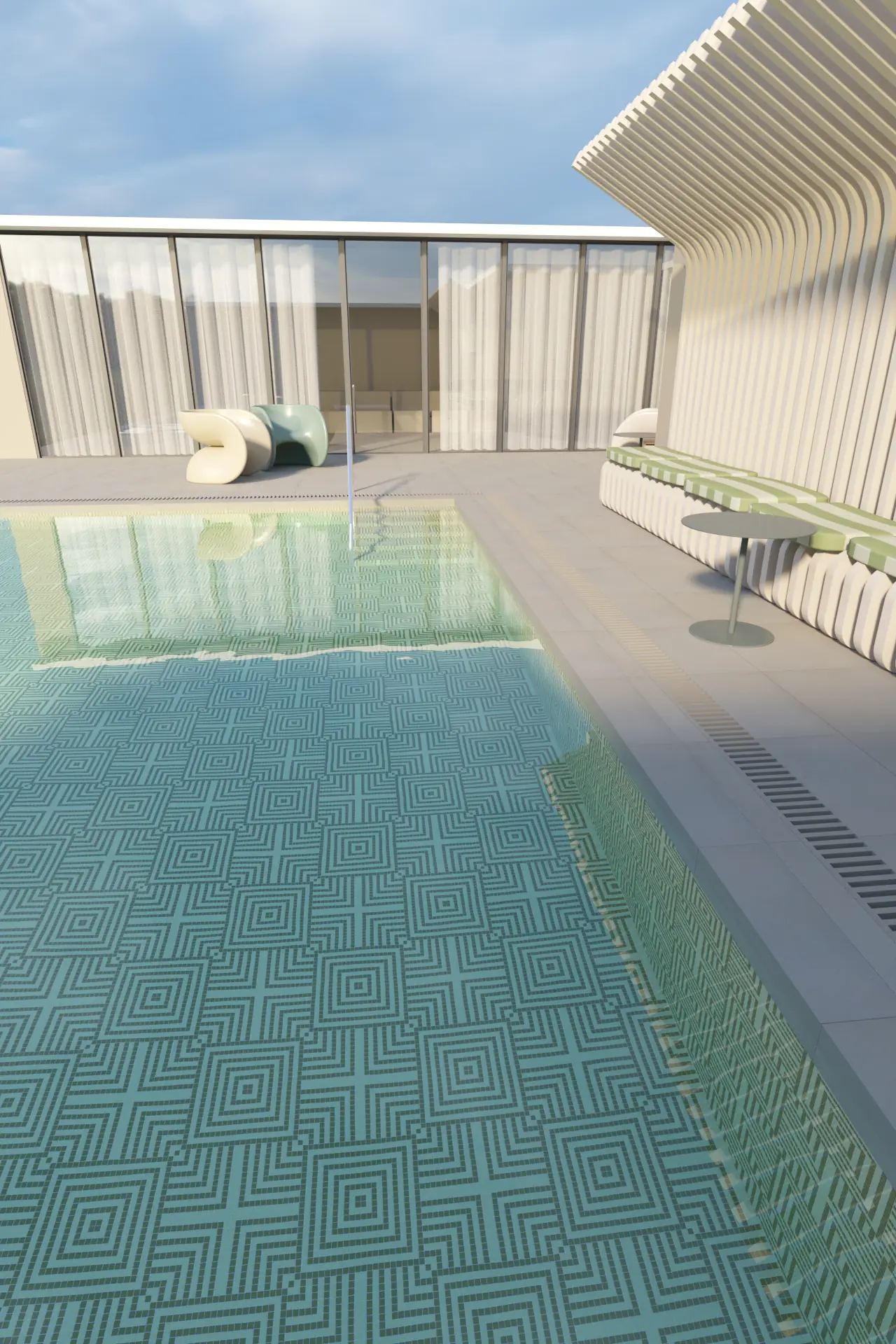
About Overlap Mosaic
Op Art has always been interested in making certainty feel uncertain. A handful of geometric rules can persuade the eye to see movement, depth and interference on an entirely flat plane. Overlap comes from that same fascination with perception.
The great pleasure of Op Art is its refusal to behave like conventional decoration. It asks something of the viewer. Bridget Riley could make parallel lines appear to swell and contract. Victor Vasarely used repeated geometry to suggest volume and space. Neither needed perspective in the traditional sense. Repetition itself became a way of manipulating what we see.
Overlap takes its cue from this territory. I was interested in the point where separate geometric systems meet and begin to interfere with one another. An ordered arrangement becomes more complicated simply because another order occupies the same space.
There is something distinctly mid-century about that confidence in abstraction. Geometry did not need to represent flowers, landscapes or figures. It could exist entirely on its own terms, driven by proportion, repetition and visual tension.
That freedom still feels remarkably contemporary. We understand that nothing is actually moving, yet our eyes continue searching for hierarchy and direction. The pattern never quite provides either.
Overlap enjoys that moment of uncertainty. It is geometry made deliberately difficult to settle, where one reading gives way to another and looking becomes part of the pattern itself.
Availability and Sales enquiries to Tessere Mosaico
Burano 12mm Mosaic
