
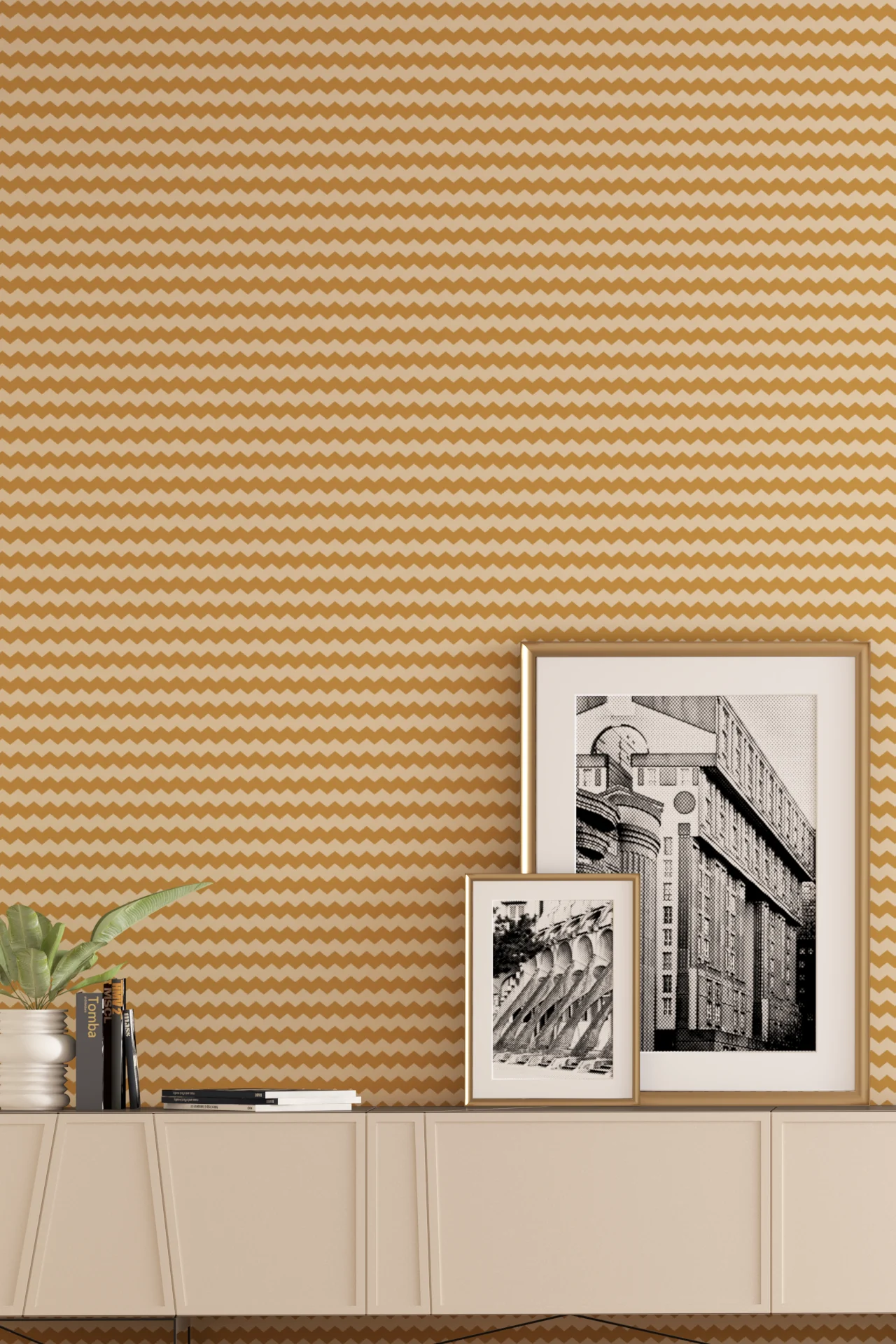
Wallpaper
Wallpaper
Wallpaper has never been terribly interested in behaving itself. It borrows freely, plays with scale and has no particular obligation to tell the truth. A wall can become marble, landscape, geometry or something altogether harder to describe. That freedom is a large part of its charm.
My own designs tend to come from things I’ve noticed rather than things I’ve deliberately gone looking for. A piece of stone, the surface of a building, a photograph taken while travelling, an architectural detail remembered long after the building itself. These fragments accumulate. Occasionally one suggests something else.
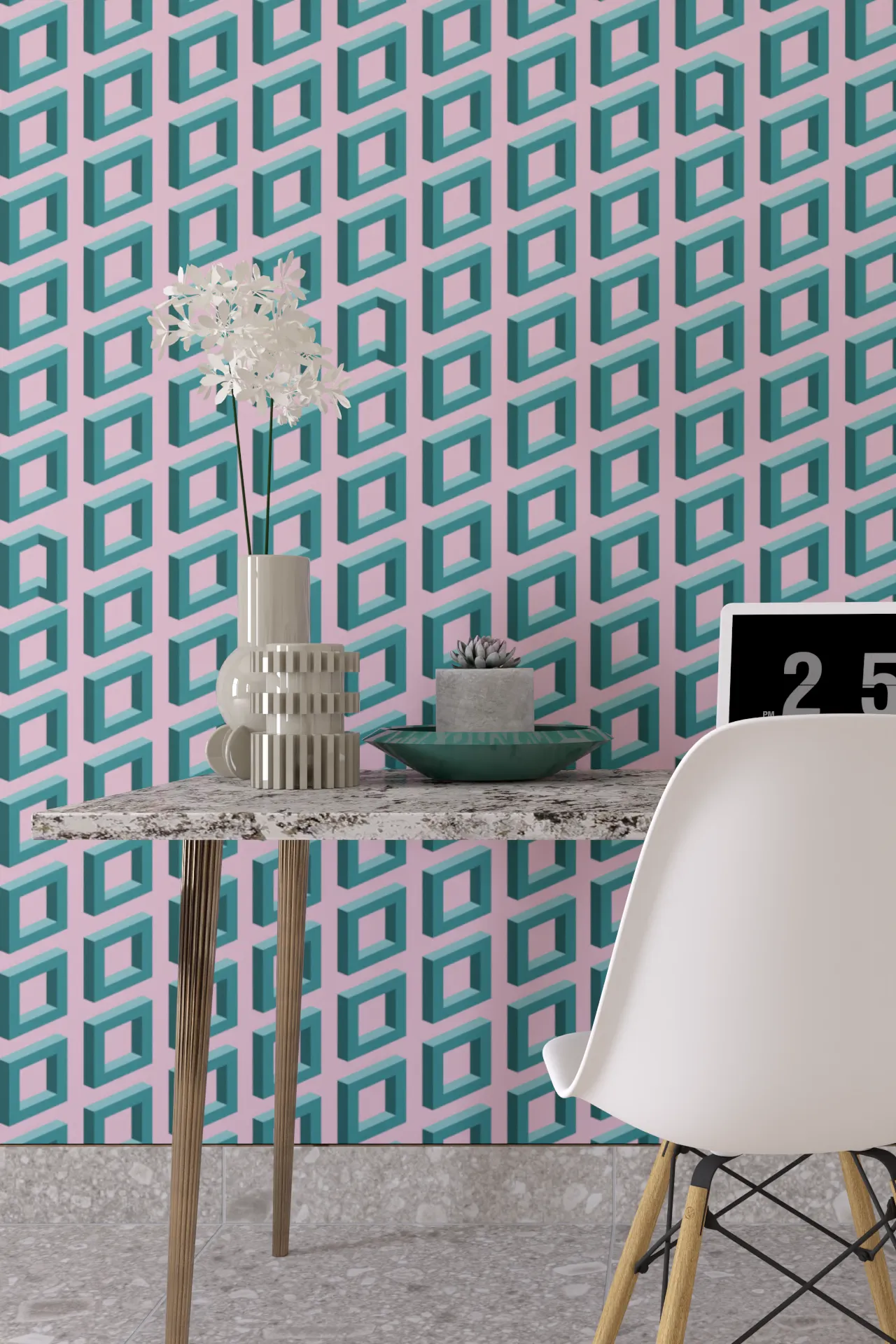
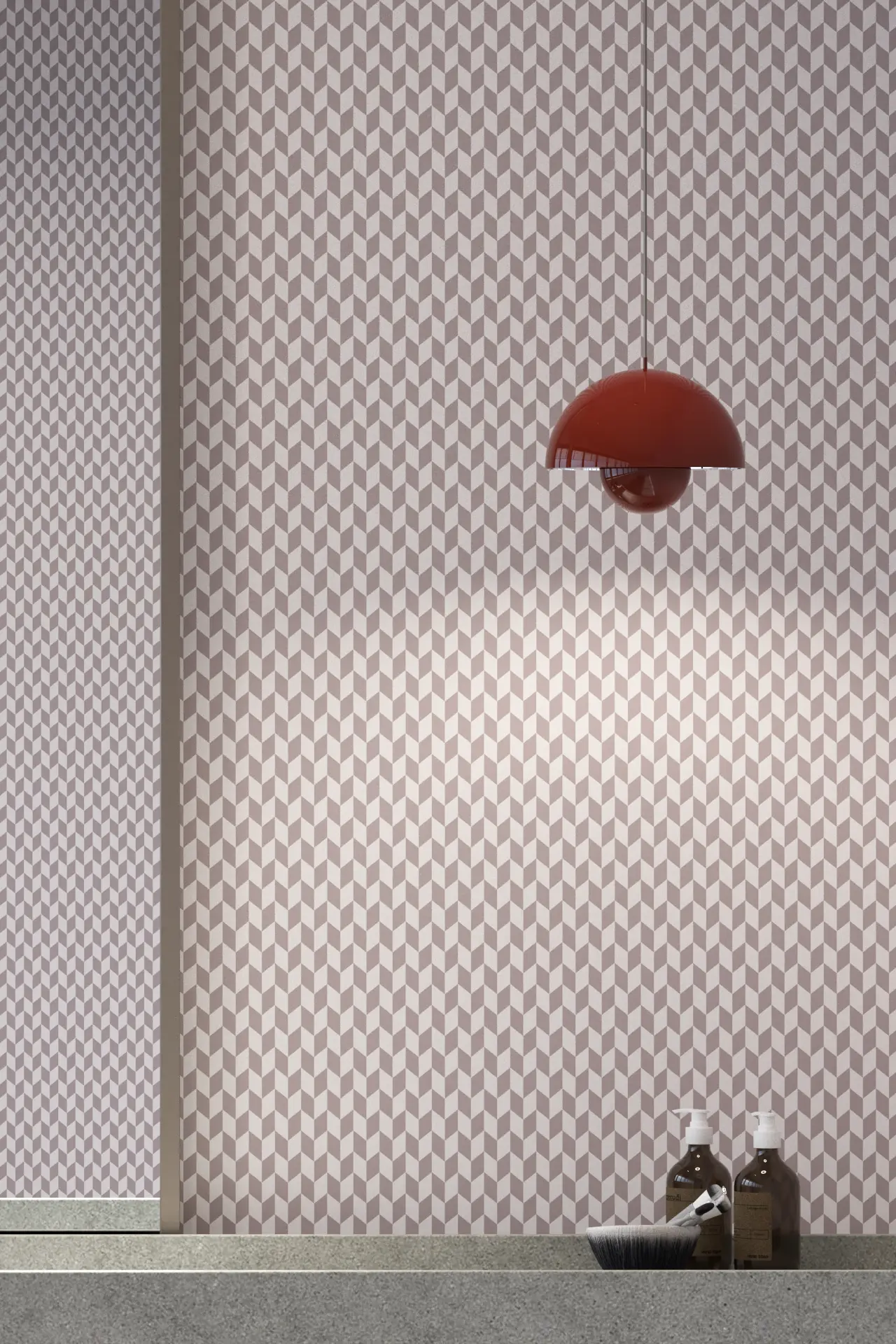
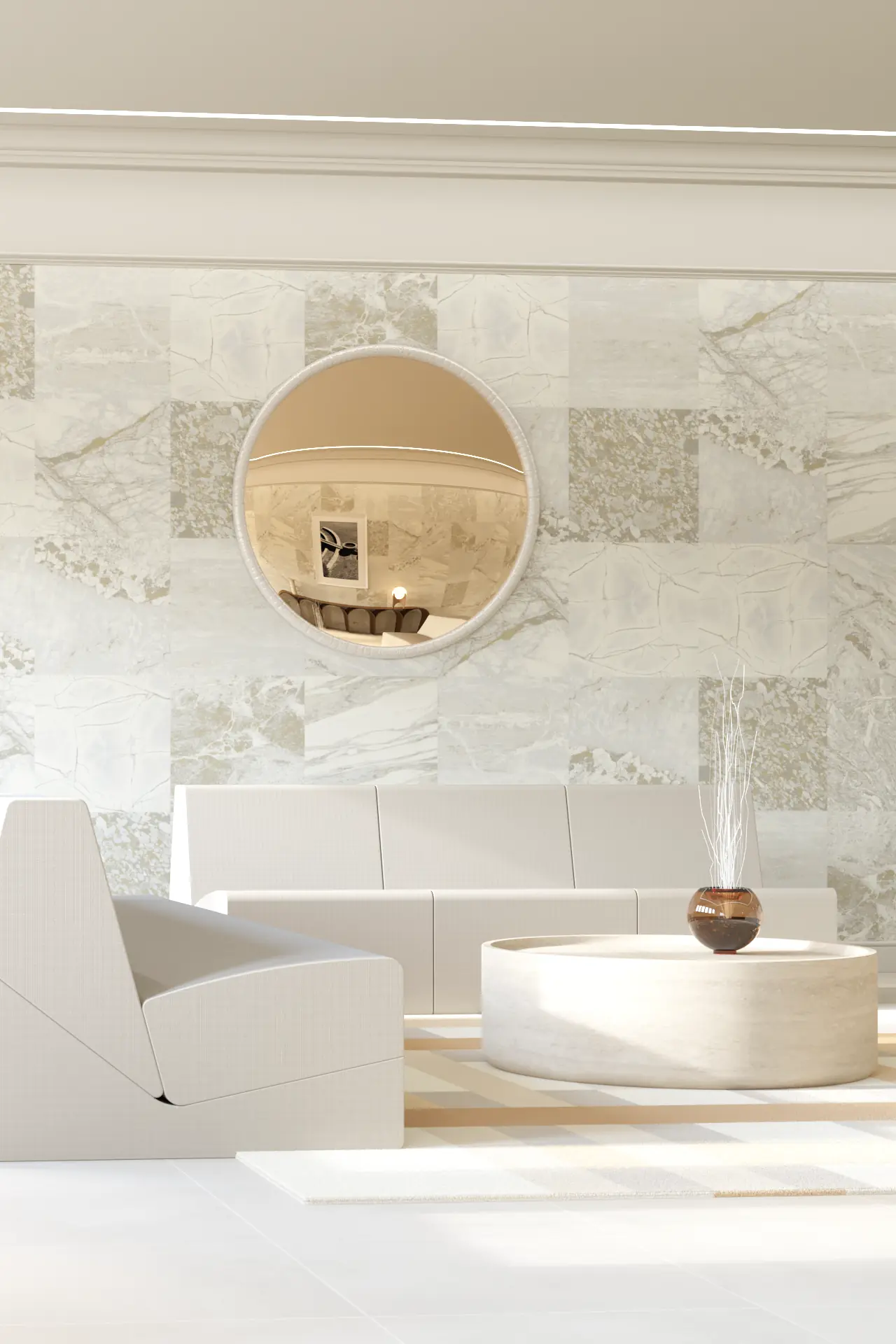
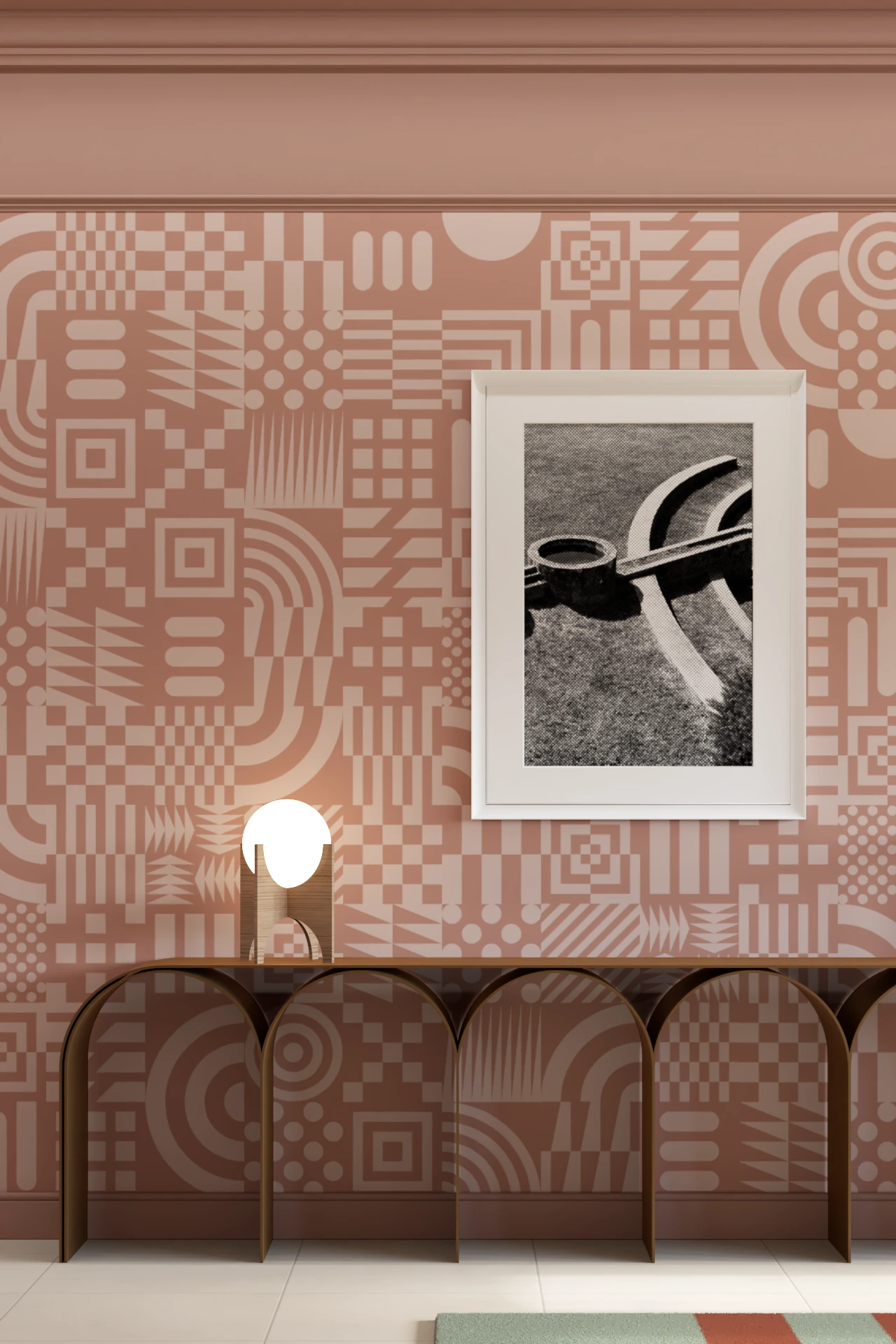
What happens next is rarely about reproducing the original. I’m much more interested in the point where recognition starts to slip. Marble is more intriguing when the colour is slightly improbable. A photograph becomes something quite different when it repeats. Enlarge a modest detail far beyond its natural scale and suddenly it has an architectural presence of its own. There is a certain pleasure in getting these things slightly wrong.
Wallpaper is particularly good at it because illusion is part of its history. It has spent centuries covering walls with things that aren’t really there: gardens, columns, silk, forests, flowers, stone and imaginary landscapes. We understand the trick and happily go along with it. Digital printing hasn’t changed that instinct. It has simply made the possibilities considerably less polite.
This is where wallpaper becomes especially interesting to me. Not as a substitute for another material, but as a surface with permission to invent. It can suggest something familiar without having to imitate it faithfully. A geological texture can become graphic. Something architectural can lose its seriousness. An ordinary fragment can become surprisingly beautiful once repetition removes it from its original context.
There is also an immediacy to wallpaper that I enjoy. For all the visual complexity it can introduce, the proposition remains wonderfully simple: a wall and an image. Everything else is open to interpretation. Perhaps that is enough. Wallpaper doesn’t need to become architecture to change a room. Sometimes a little visual fiction is far more interesting.
The Patterns
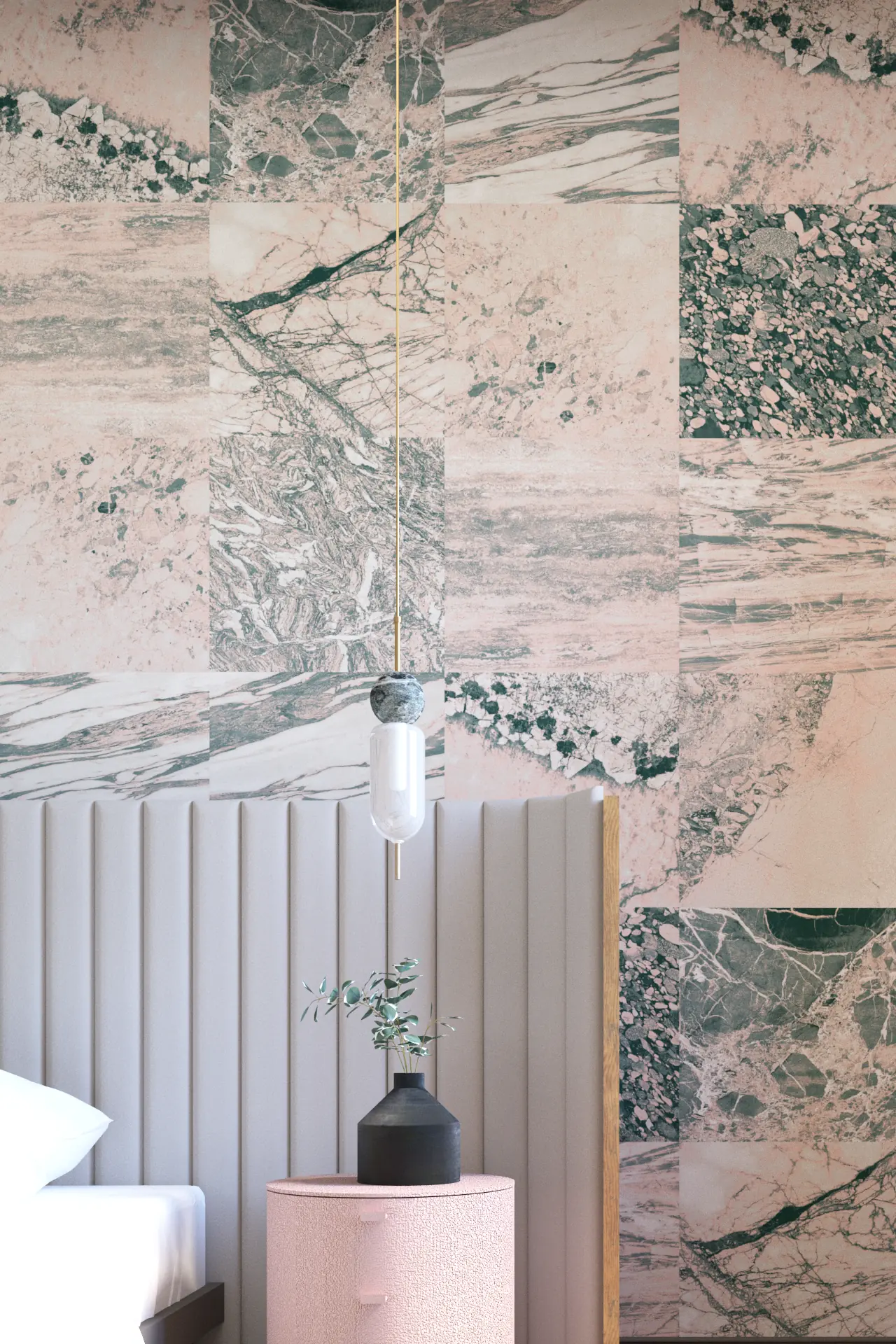
Quarry
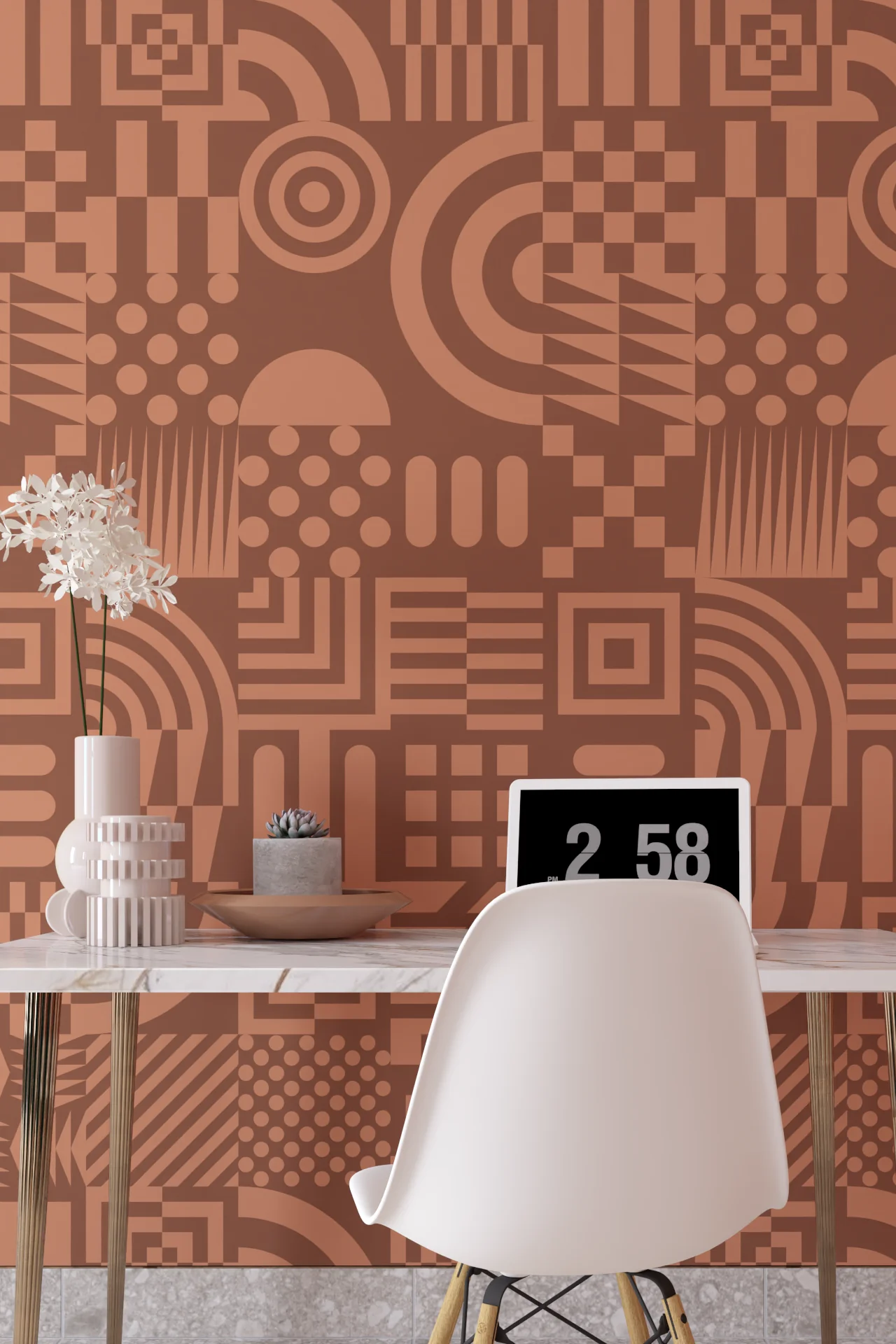
Glyph
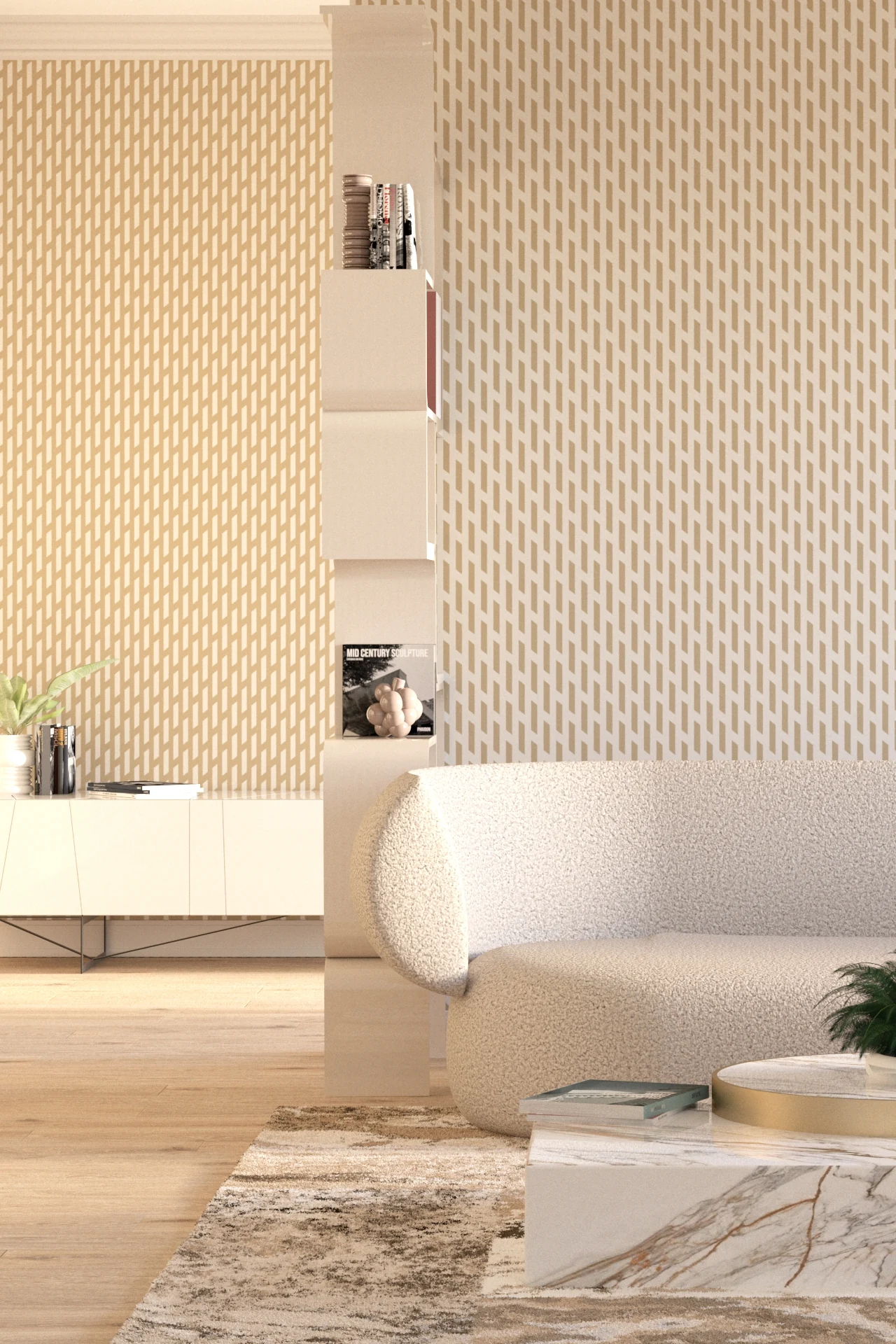
Stitch Mini
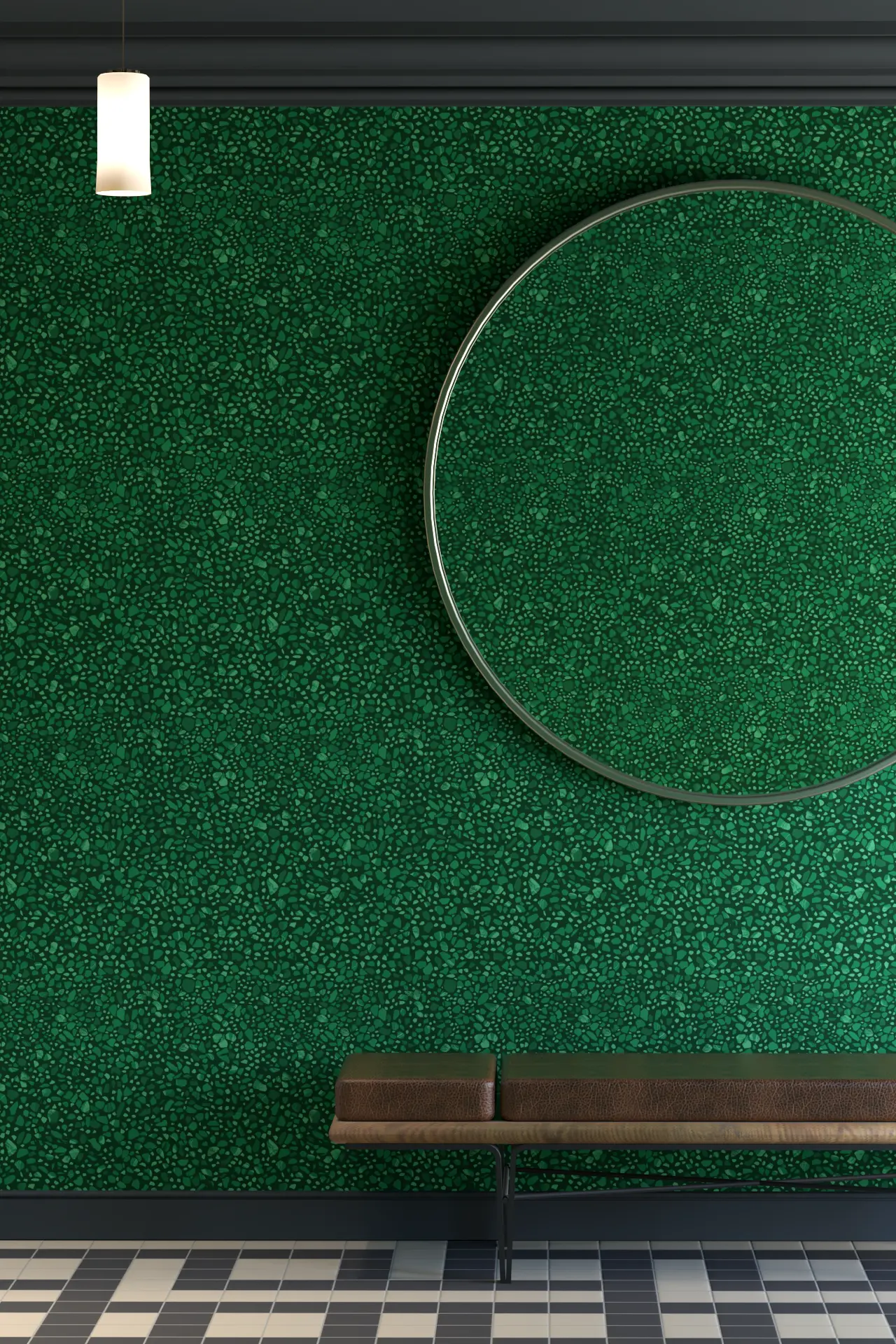
Terrazzo
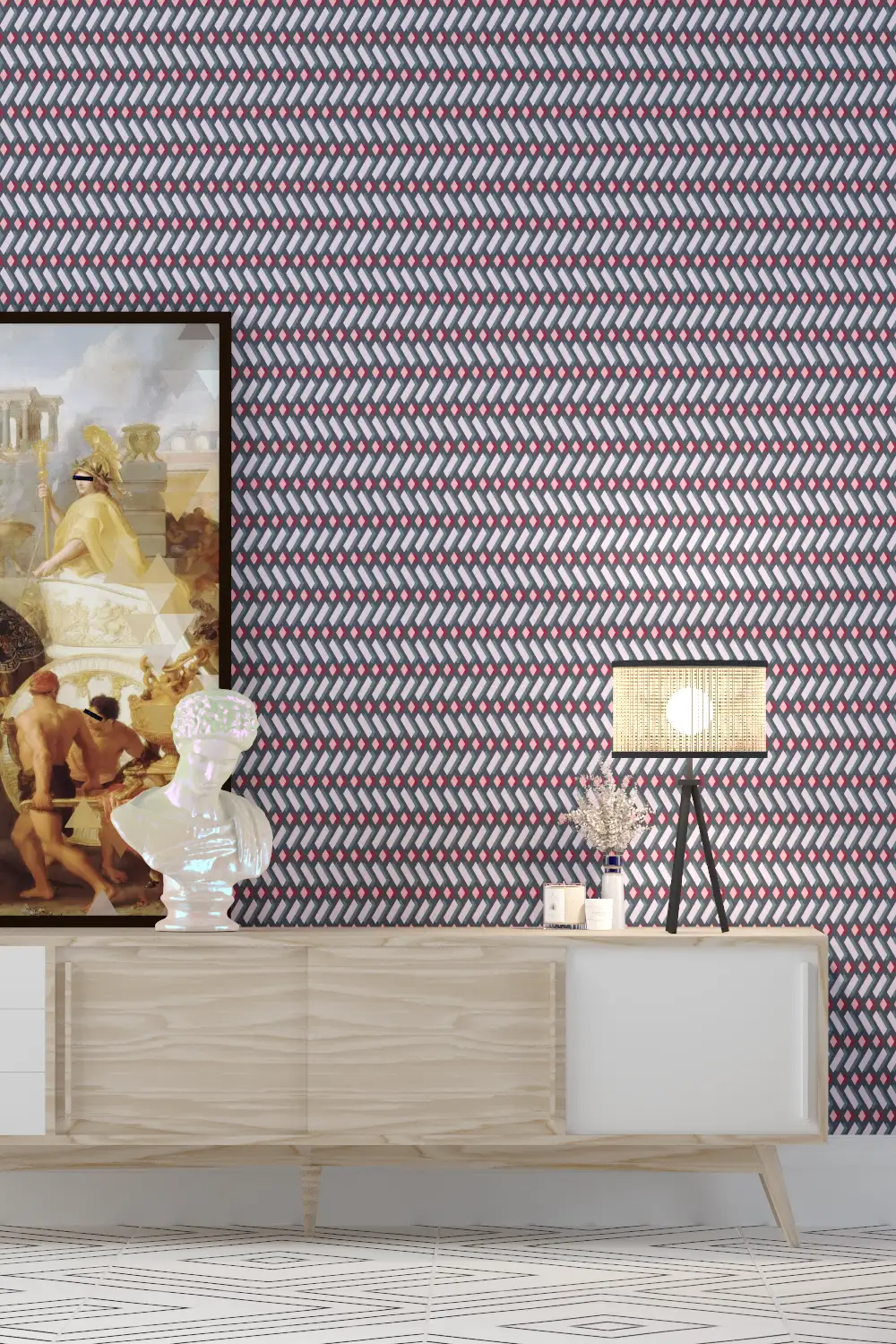
Labyrinth
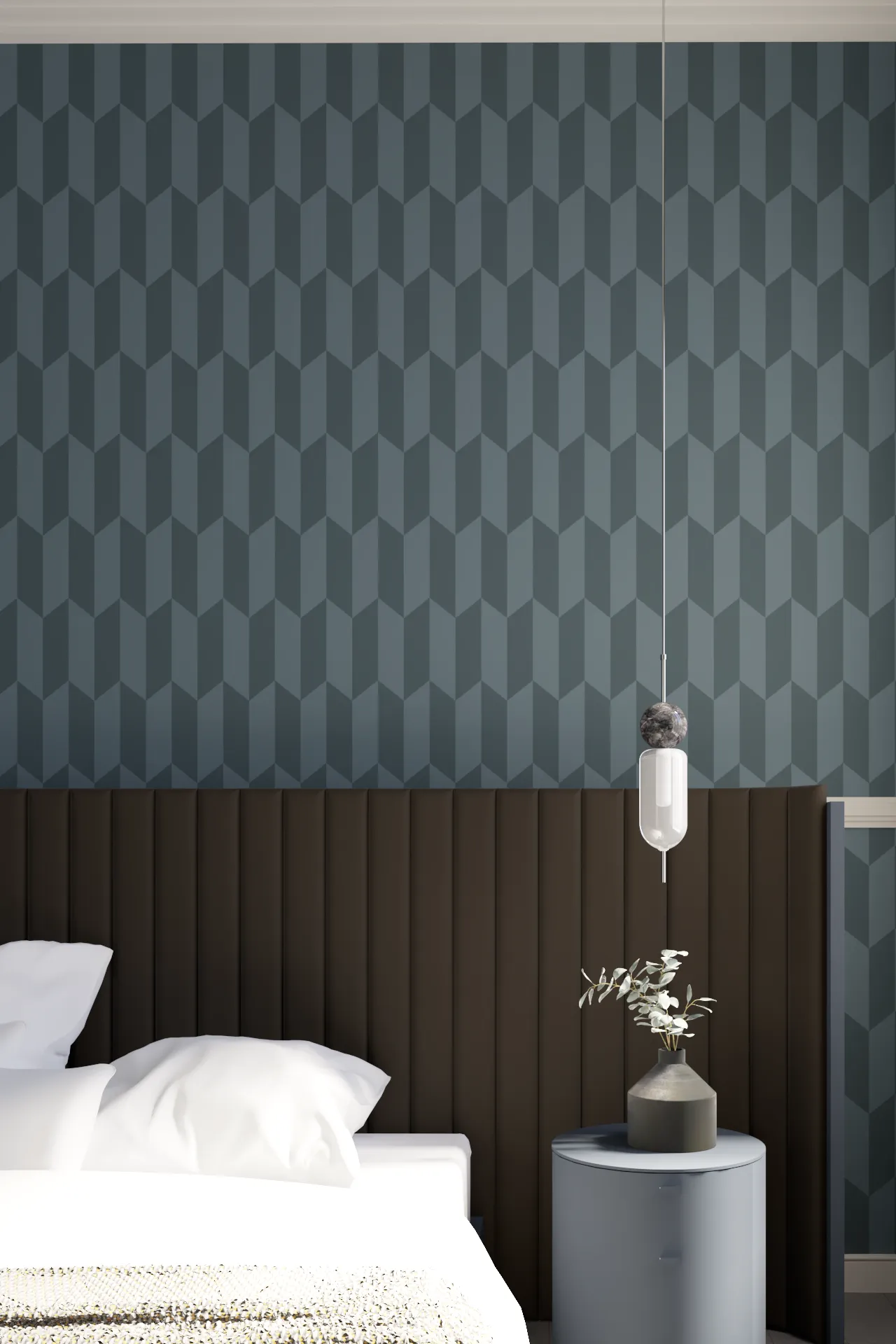
Stitch
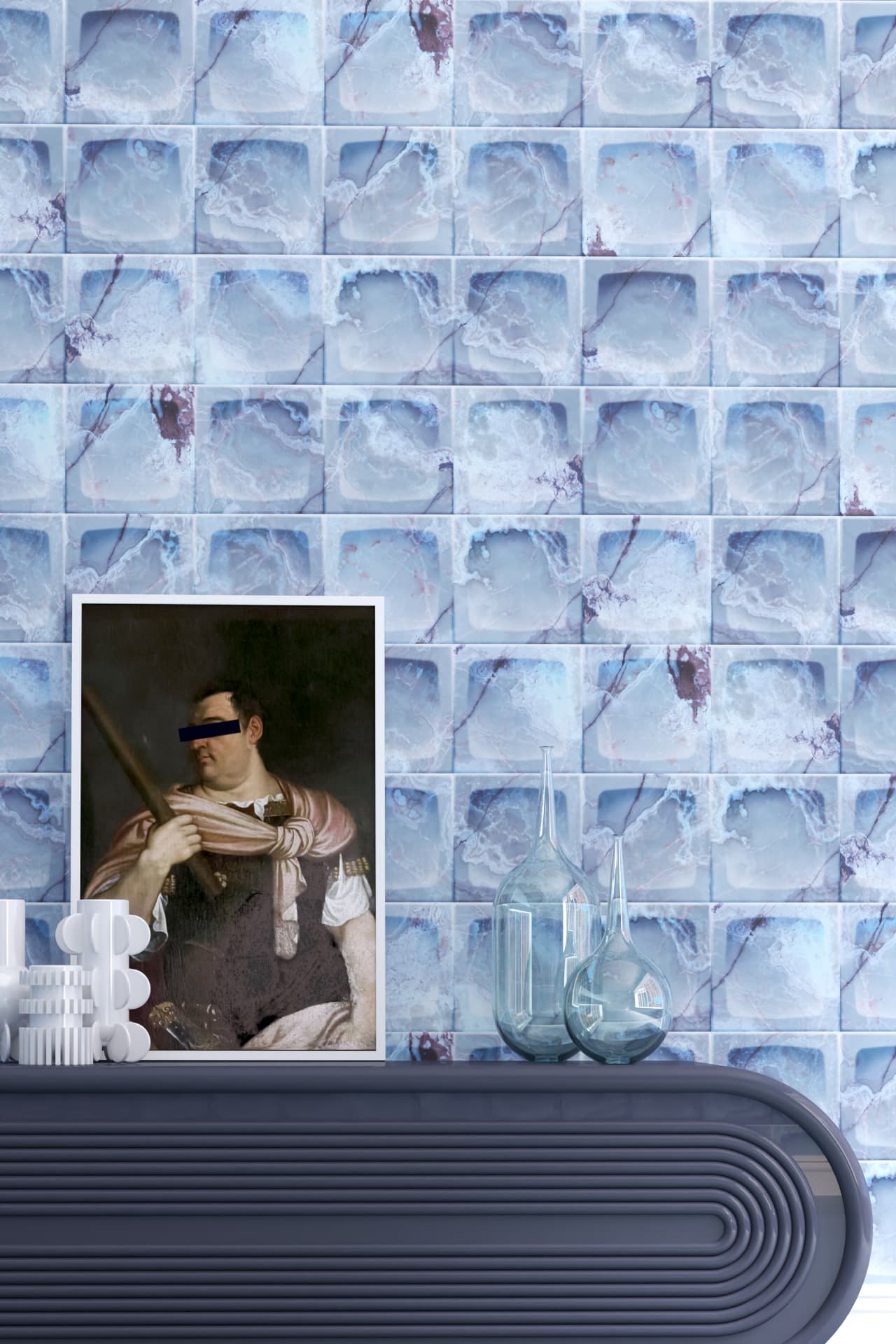
Brutal Marmi
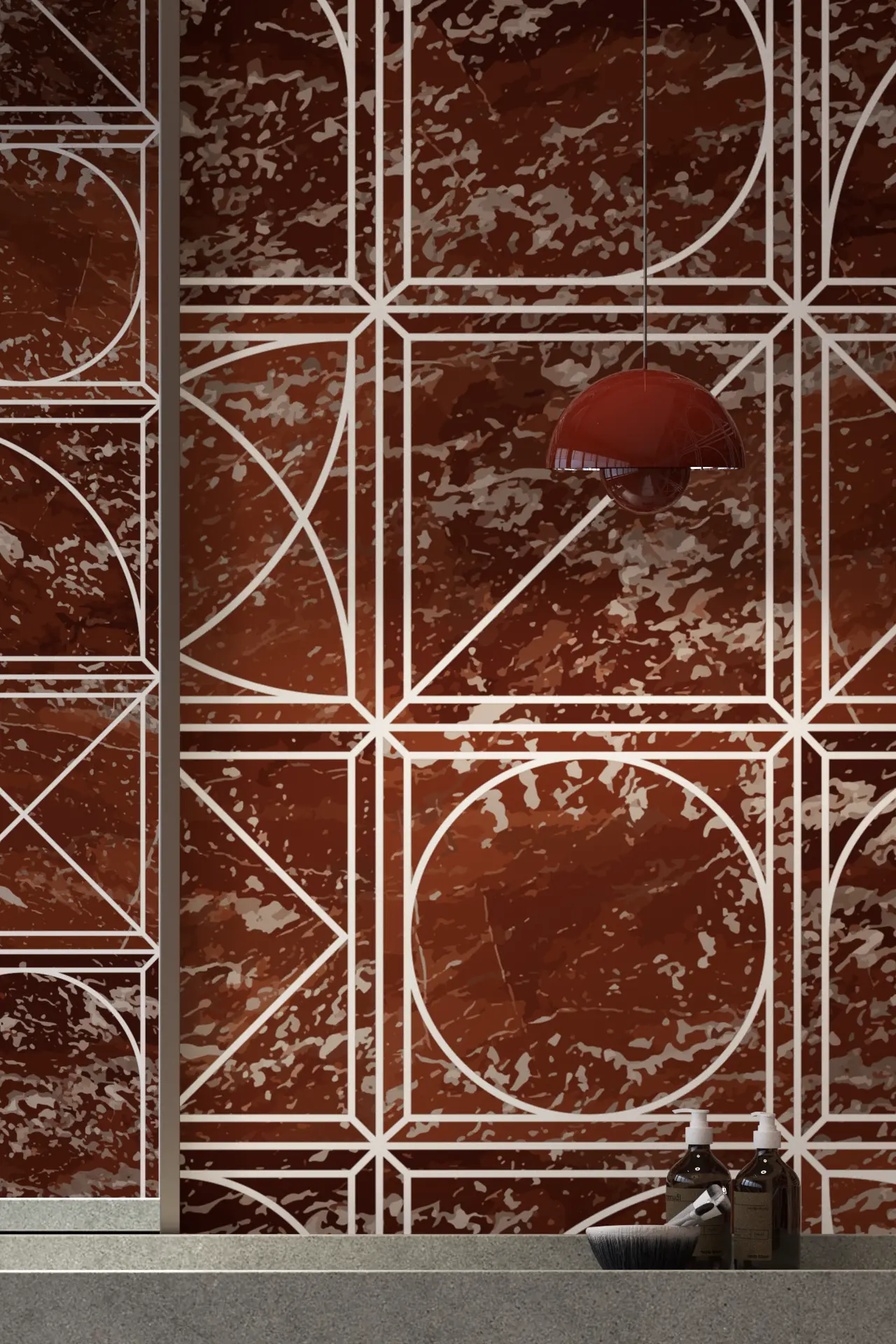
Geo Geo
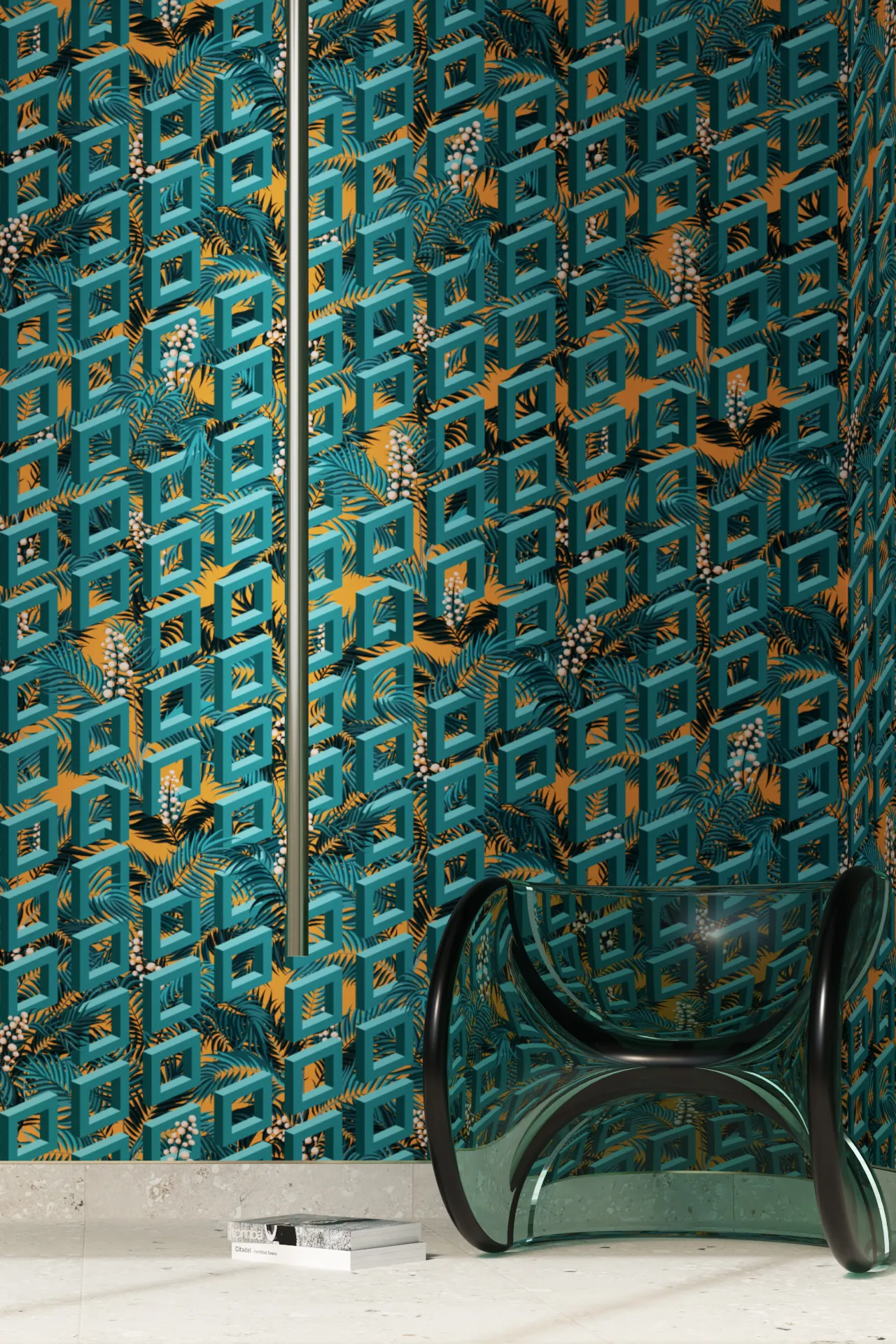
Unseen Future