

Tiles
Tiles
Tiles have an unusually close relationship with architecture. They cover surfaces, define spaces and introduce colour, texture and rhythm. Yet each begins as a relatively small object, designed to become part of something much larger. That relationship between object and architecture sits at the centre of my tile designs.
Much of the inspiration comes from twentieth century European architecture, particularly Modernism and Brutalism. Concrete façades, geometric reliefs, public buildings and overlooked architectural details provide an extraordinary library of forms. Some references come from research gathered while travelling through Europe. Others have remained in my memory for decades.
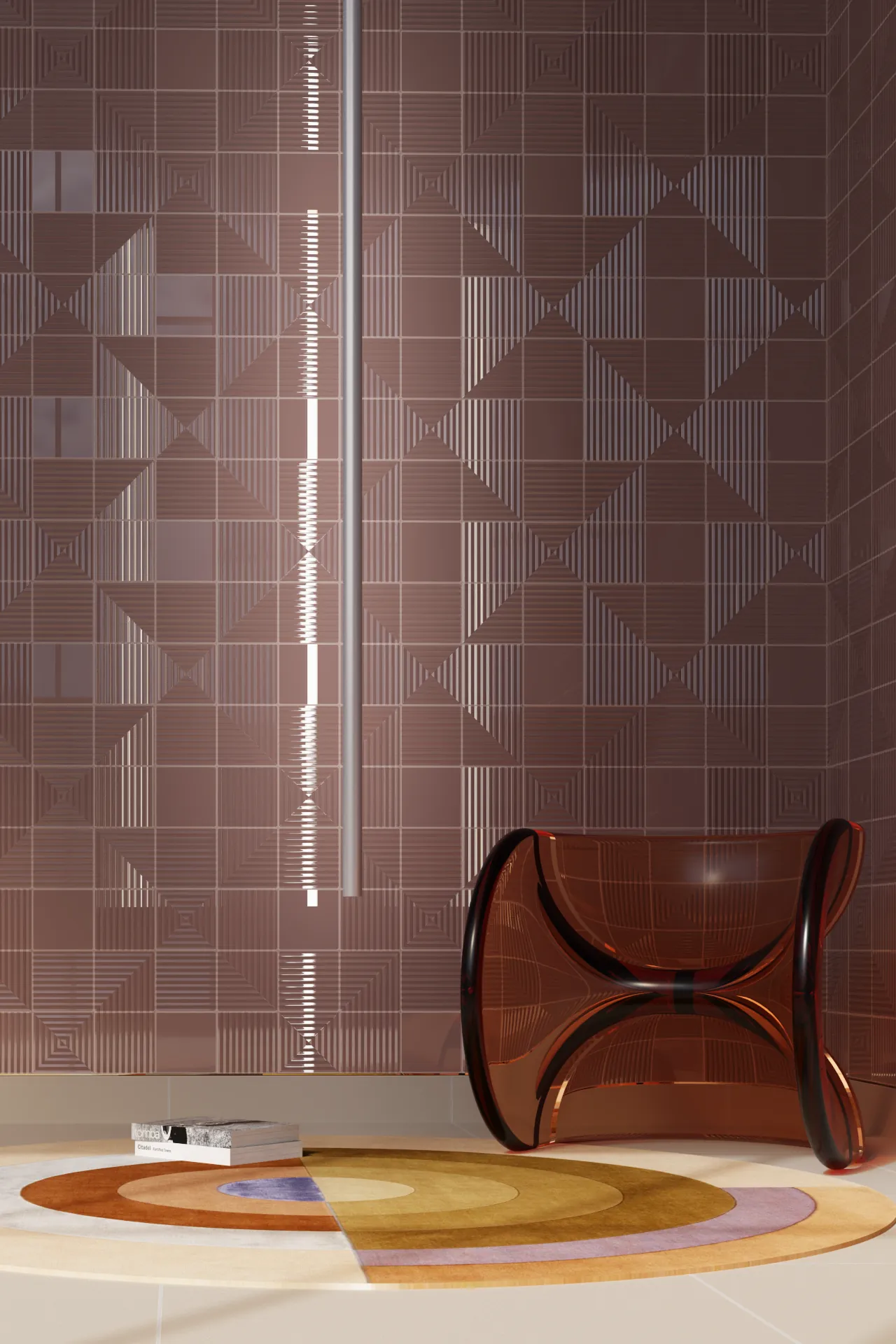
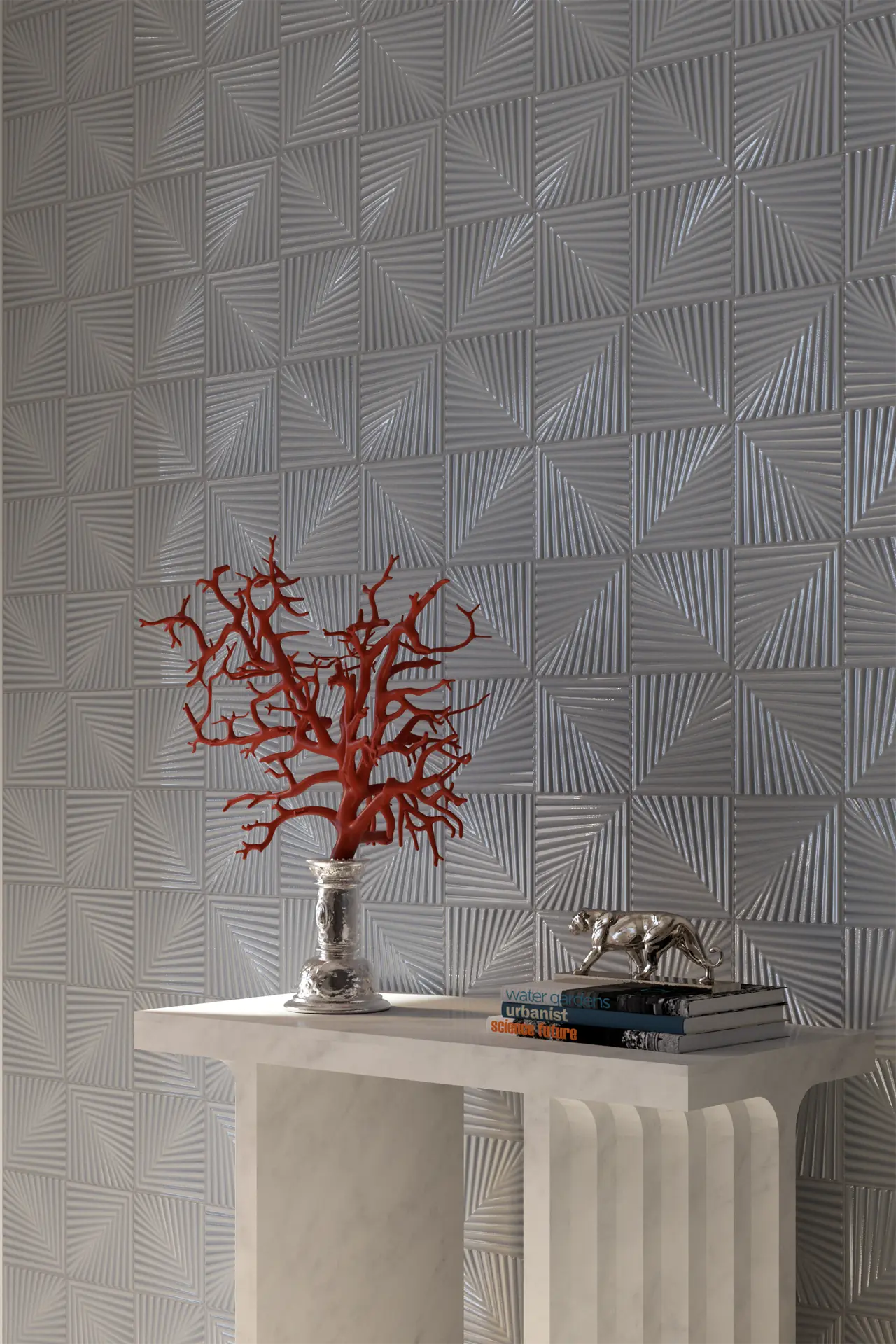
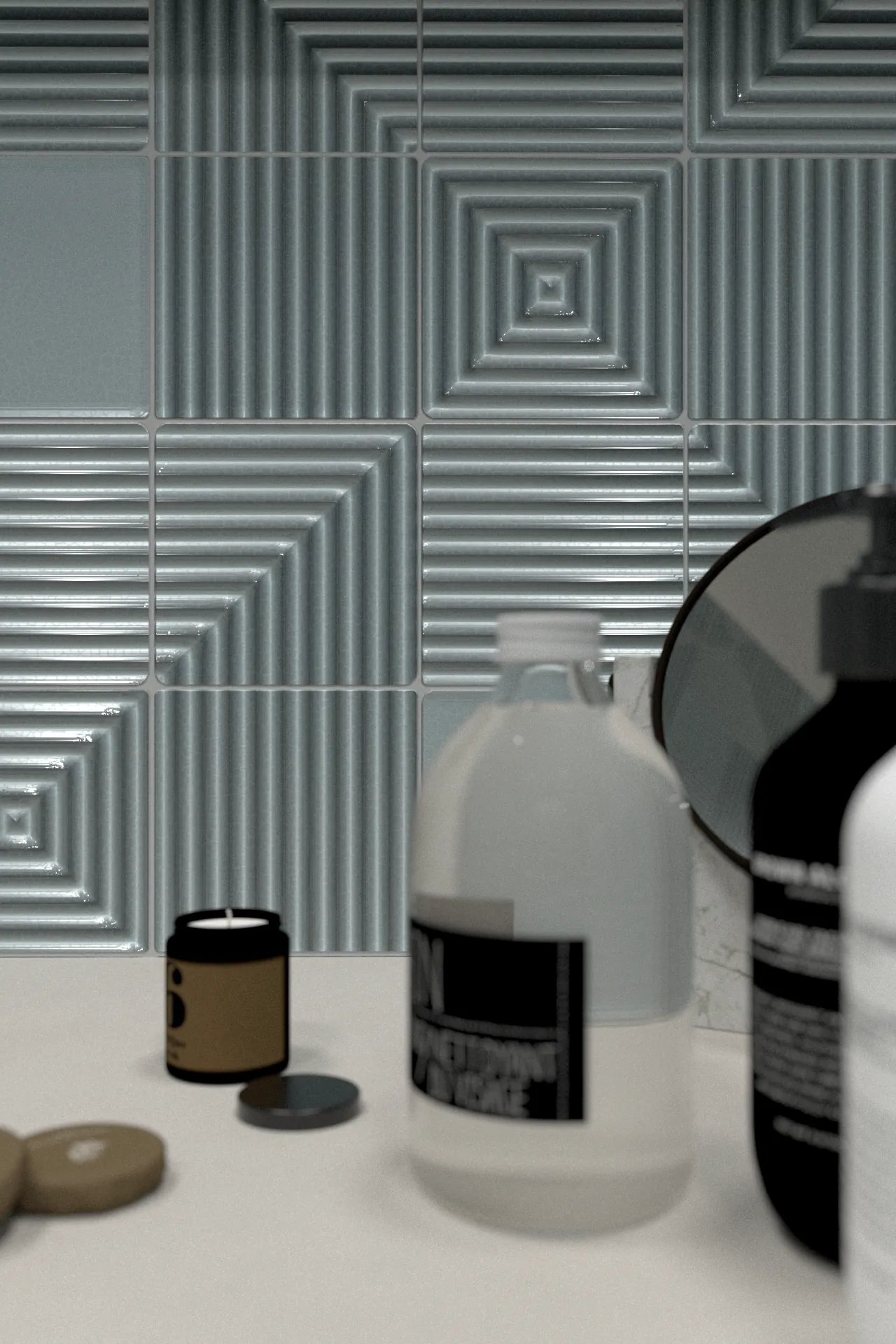

A detail from a concrete façade might suggest a relief tile. An architectural grid can become a repeat. The proportions of a building elevation might reduce into a simple geometric motif. Once removed from its original scale, something monumental can become surprisingly intimate.
The intention is never to reproduce a building literally. Instead, I look for the underlying idea: a proportion, shadow line, repeated form or particular relationship between solid and void. Digital drawing allows those observations to change and evolve until the original reference becomes something new.
Ceramic brings depth, glaze and subtle variation. Relief creates shadows that shift as light moves across a surface. Porcelain offers greater precision, allowing graphic ideas and colour relationships to remain deliberately controlled. Each material changes how a pattern behaves and how we experience it.
This movement between precision and irregularity interests me. Architecture often works in much the same way. Strong geometry provides order, while materials introduce texture, variation and evidence of making.
Tiles also offer an interesting lesson in scale. A single piece can appear almost insignificant. Repeated across a wall or floor, however, it develops rhythm and begins to influence the character of the space around it.
Perhaps this explains their enduring place within architecture. Tiles provide a framework without determining the final outcome. Pattern can remain quiet or become emphatic. Relief can introduce subtle texture or transform an entire surface.
My work draws on that freedom, looking backwards for ideas while using contemporary tools and materials to move them somewhere new.
The Ceramics
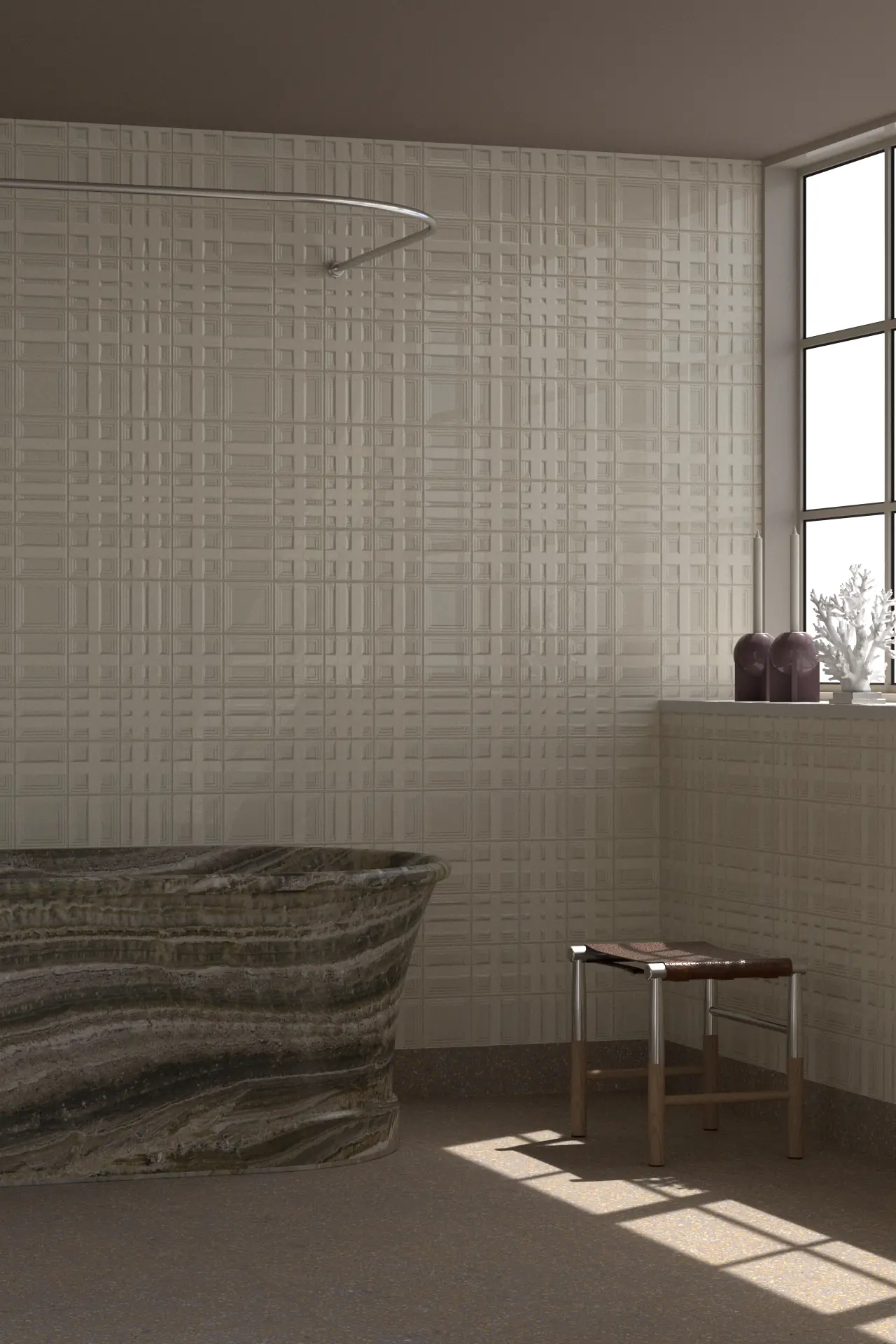
Carlo
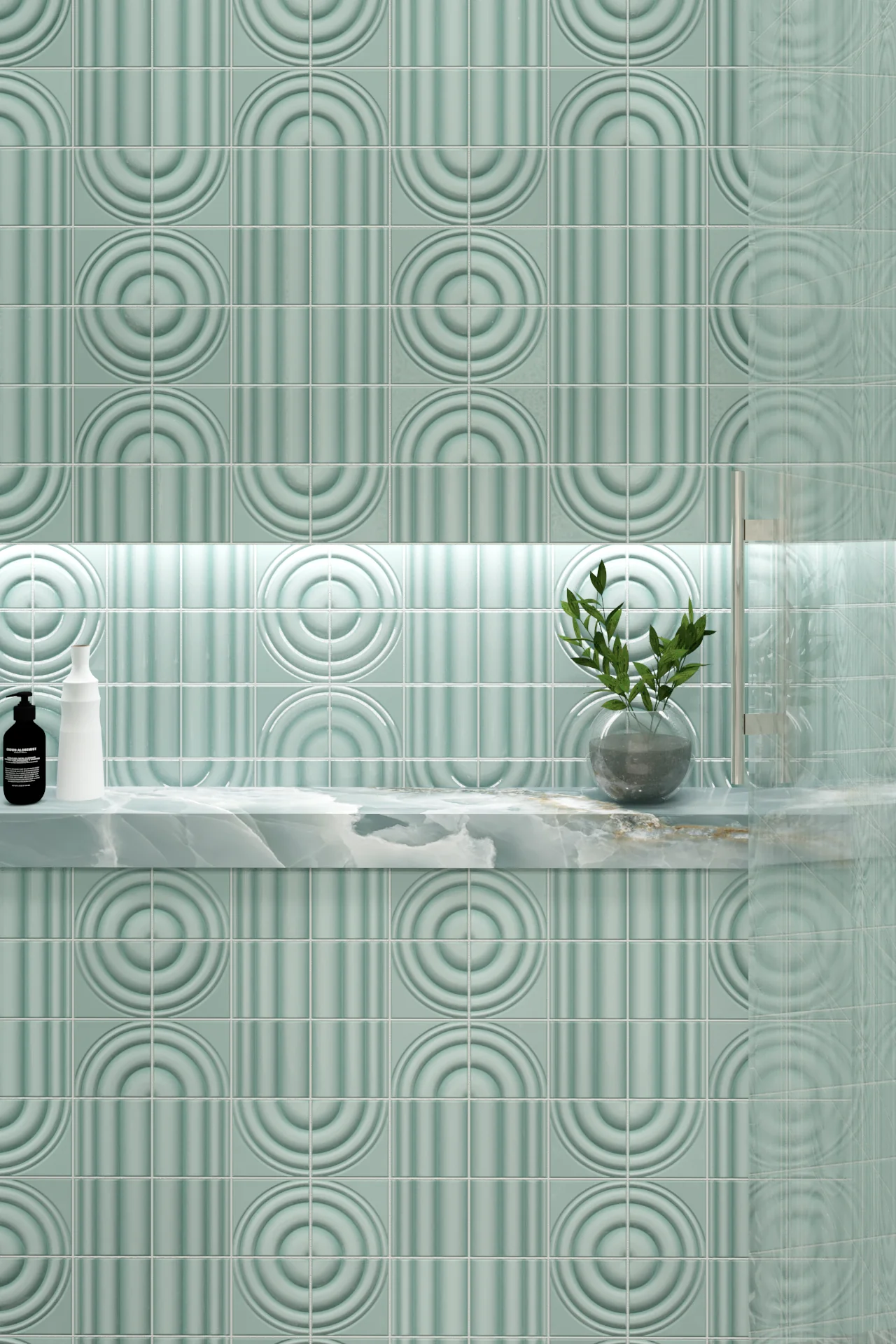
Circle Line
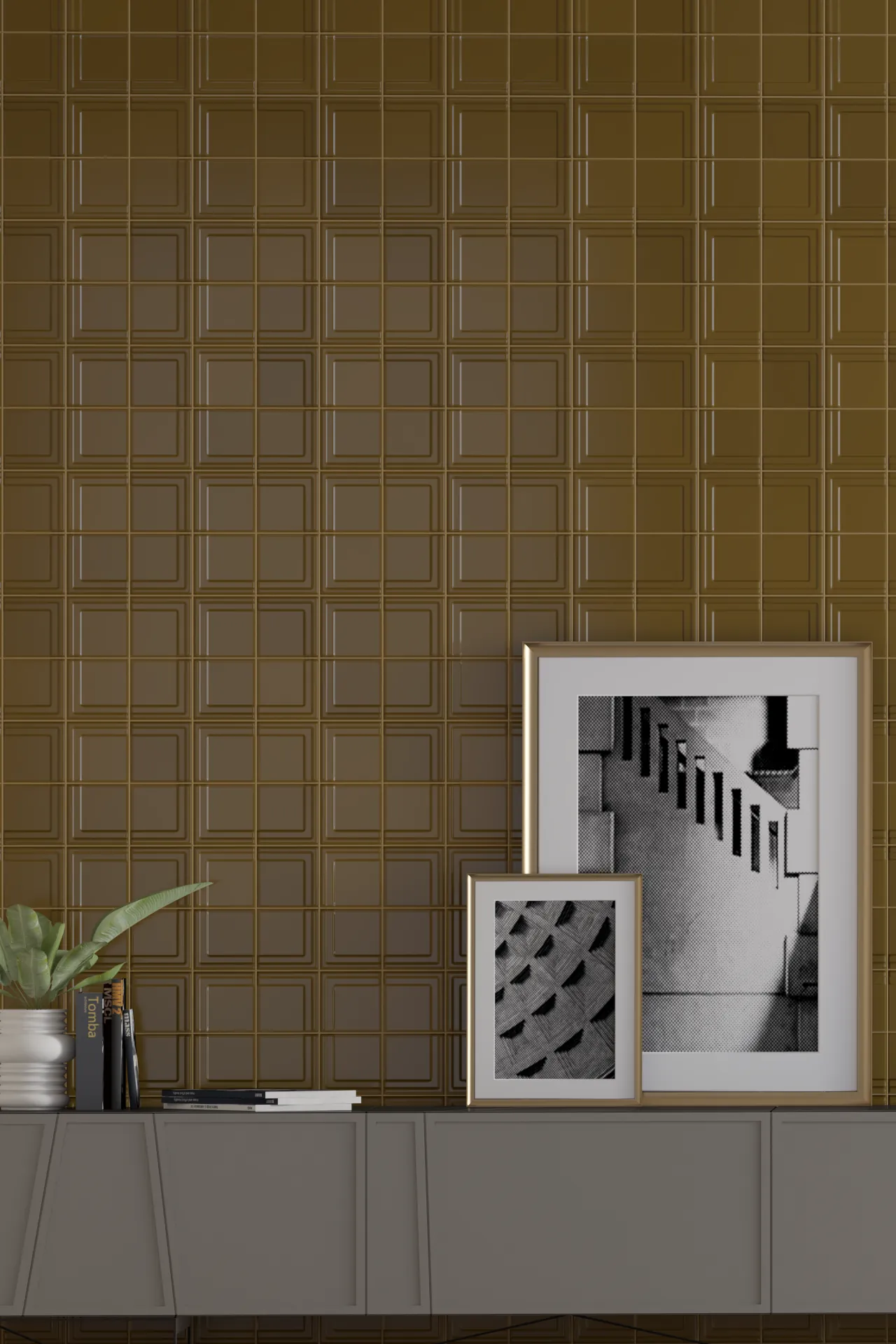
Dimension
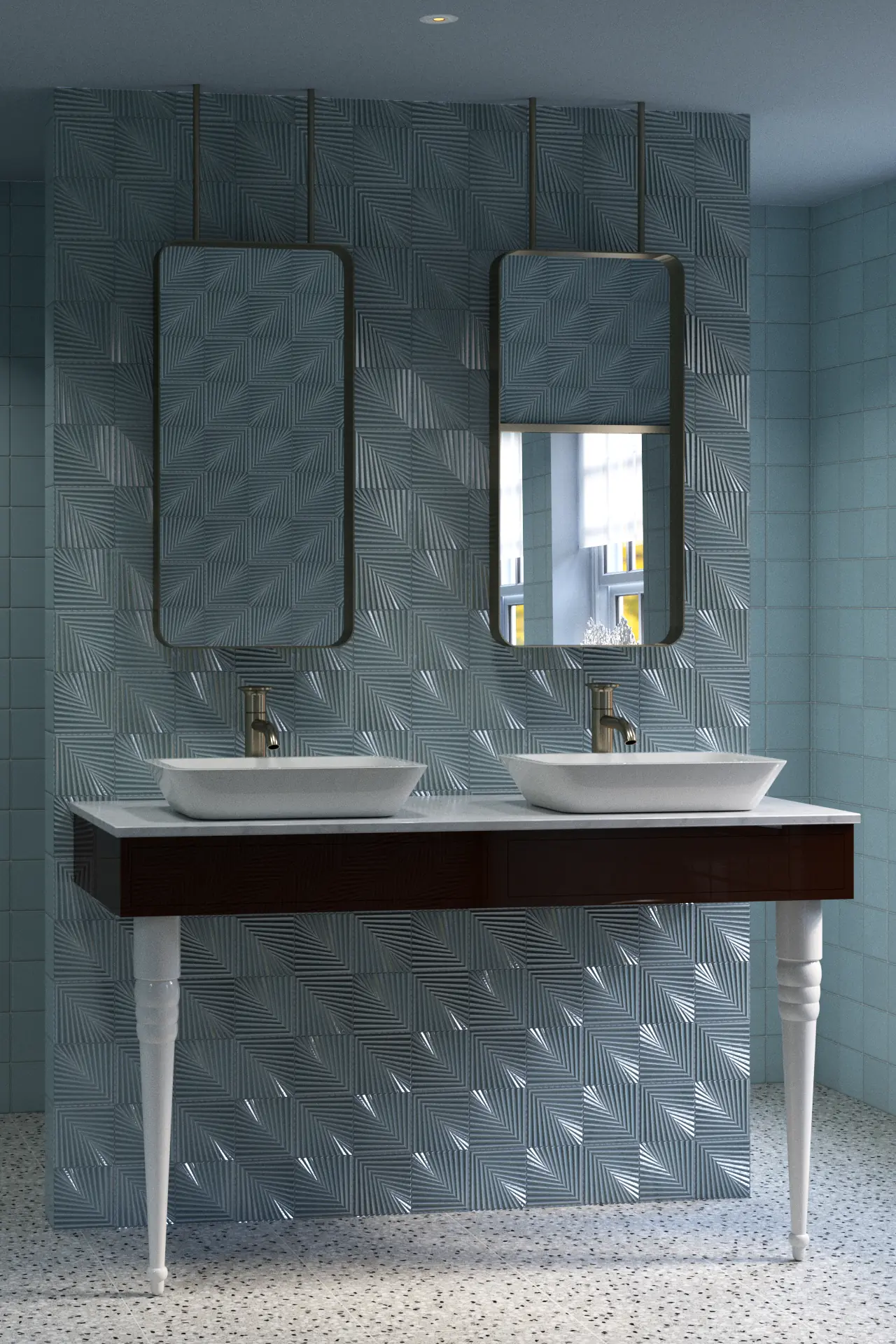
Moderne
Momentum
The Porcelains
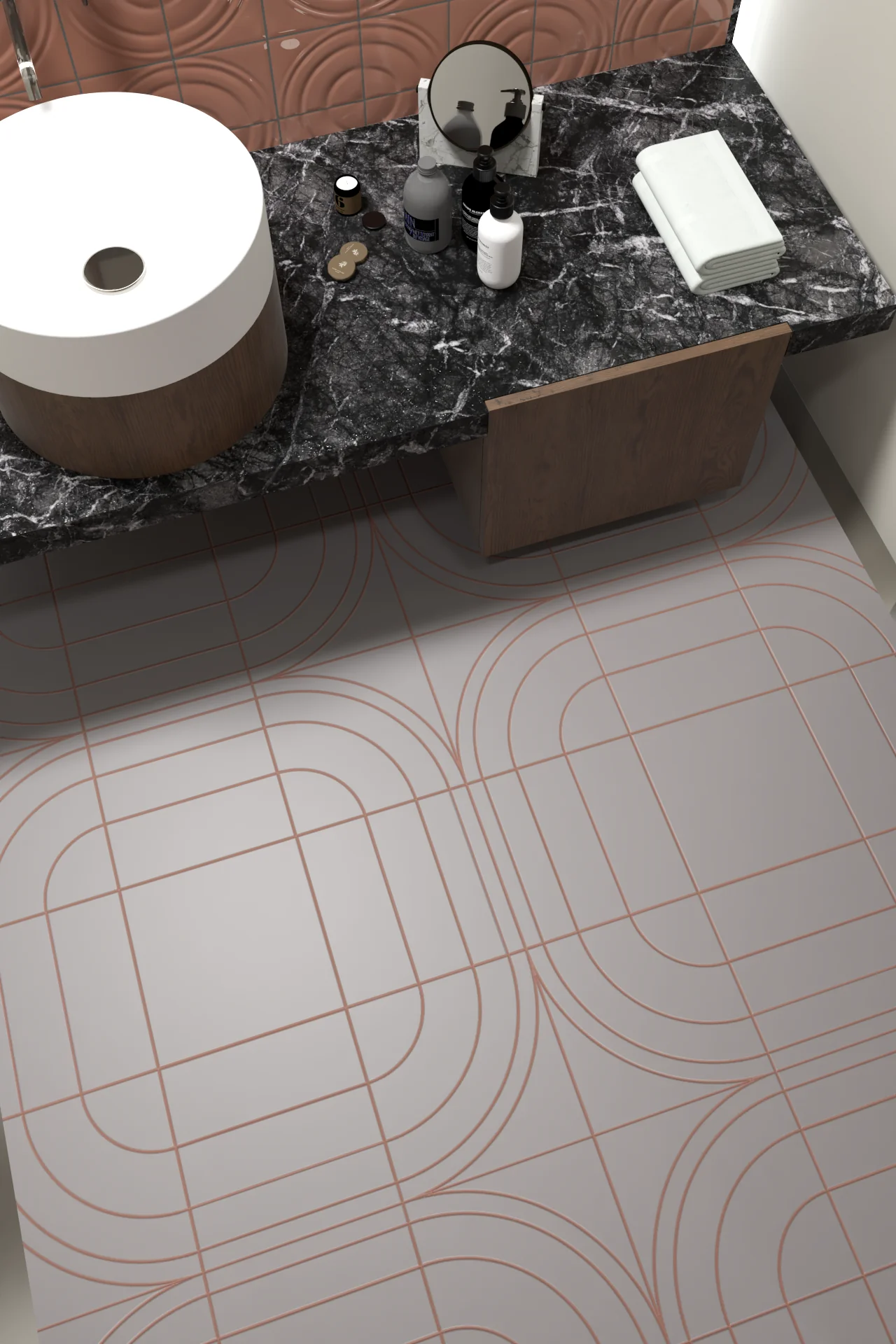
Circle Line Porcelain

Connection

Stitch