
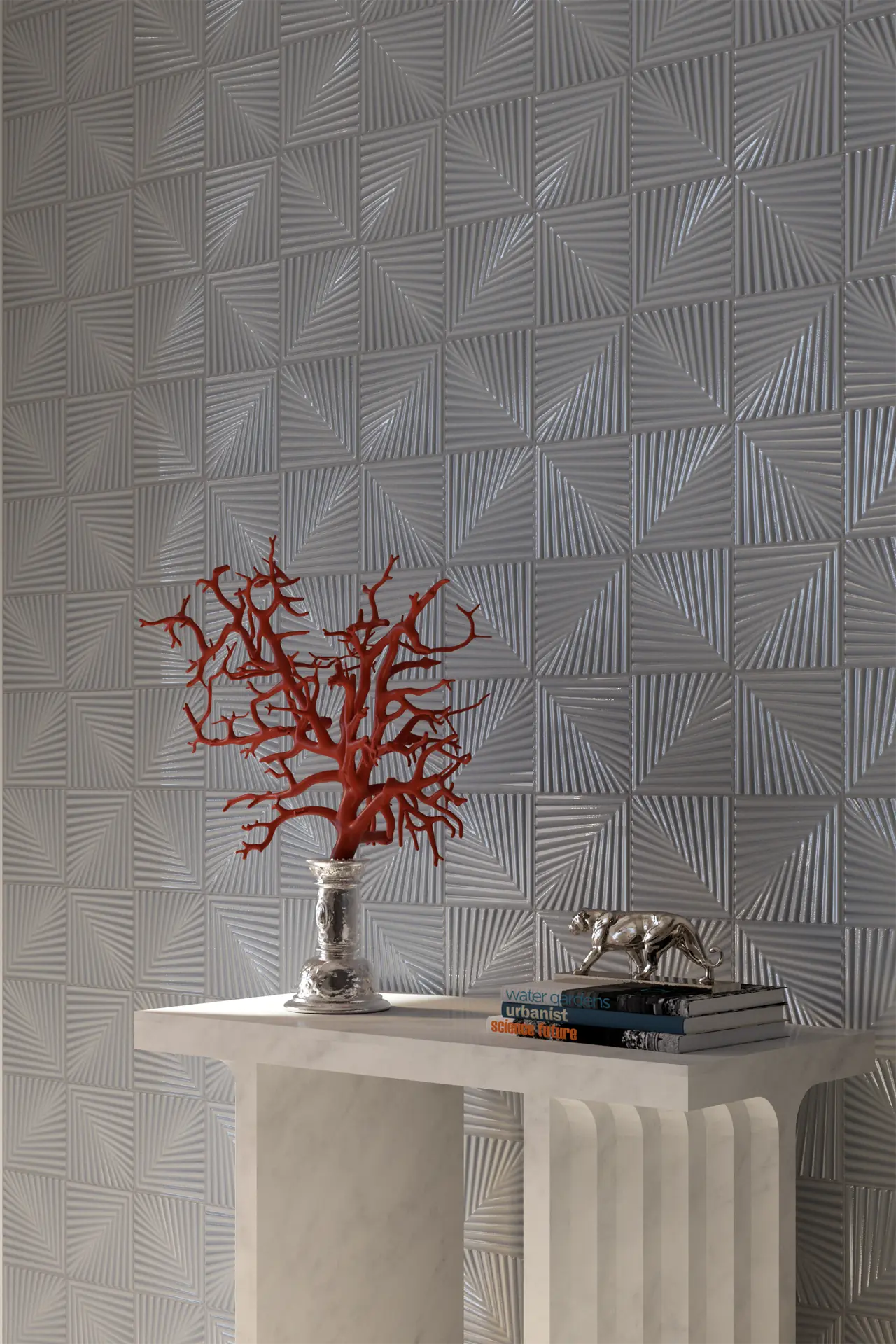
Moderne
Wall Tiles
Moderne
Moderne looks back to a moment when being modern did not mean leaving decoration behind. The decorative arts of the early twentieth century embraced geometry, repetition and stylised form with enormous confidence, finding new ways to make ornament belong to a changing architectural world.
There is a richness to this period that I find particularly appealing. Decoration became cleaner and more abstract, but it still had presence. Walls, furniture, textiles and objects were allowed to carry pattern, and there was little anxiety about enjoying it. Modernity and ornament were perfectly comfortable in one another’s company.
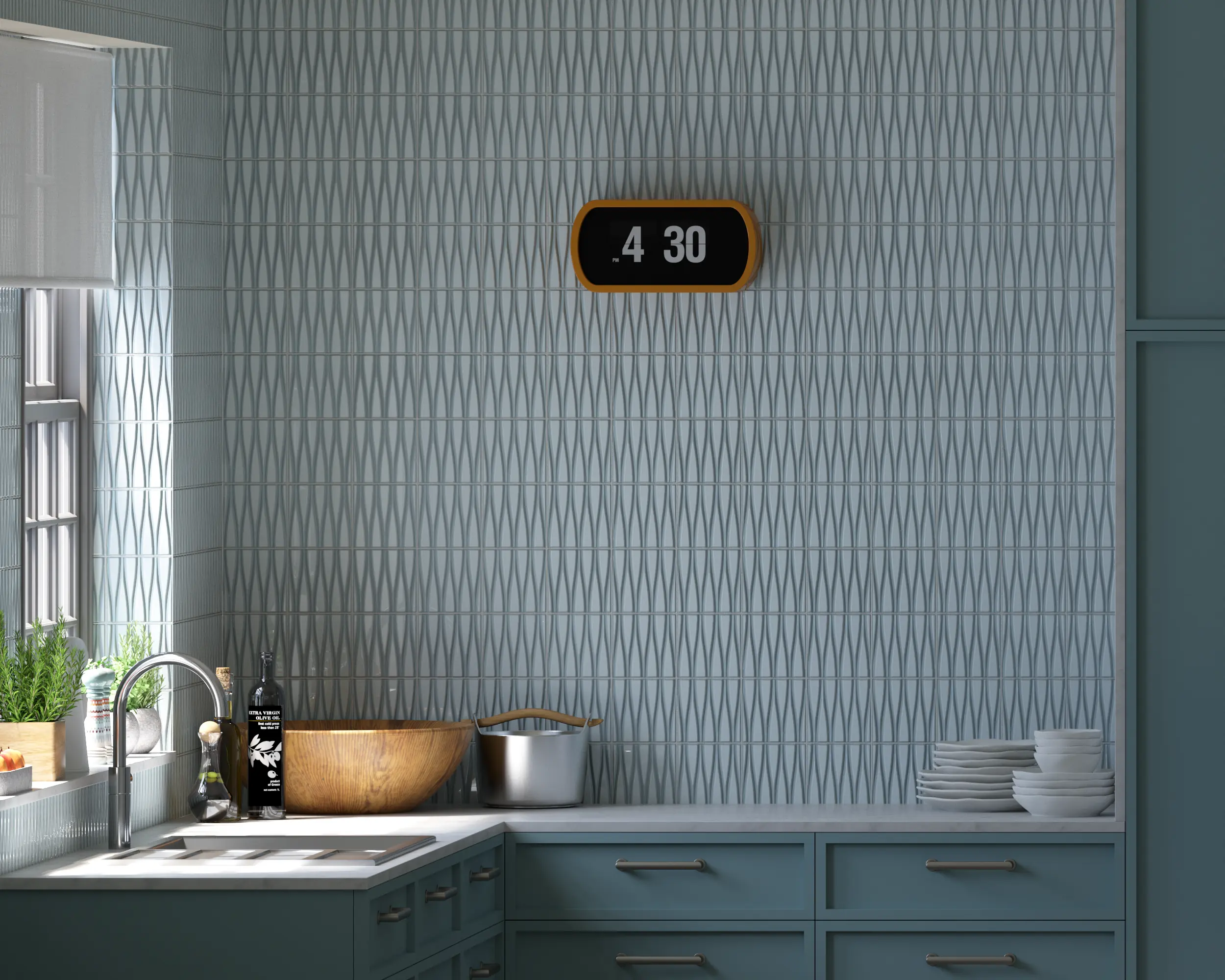
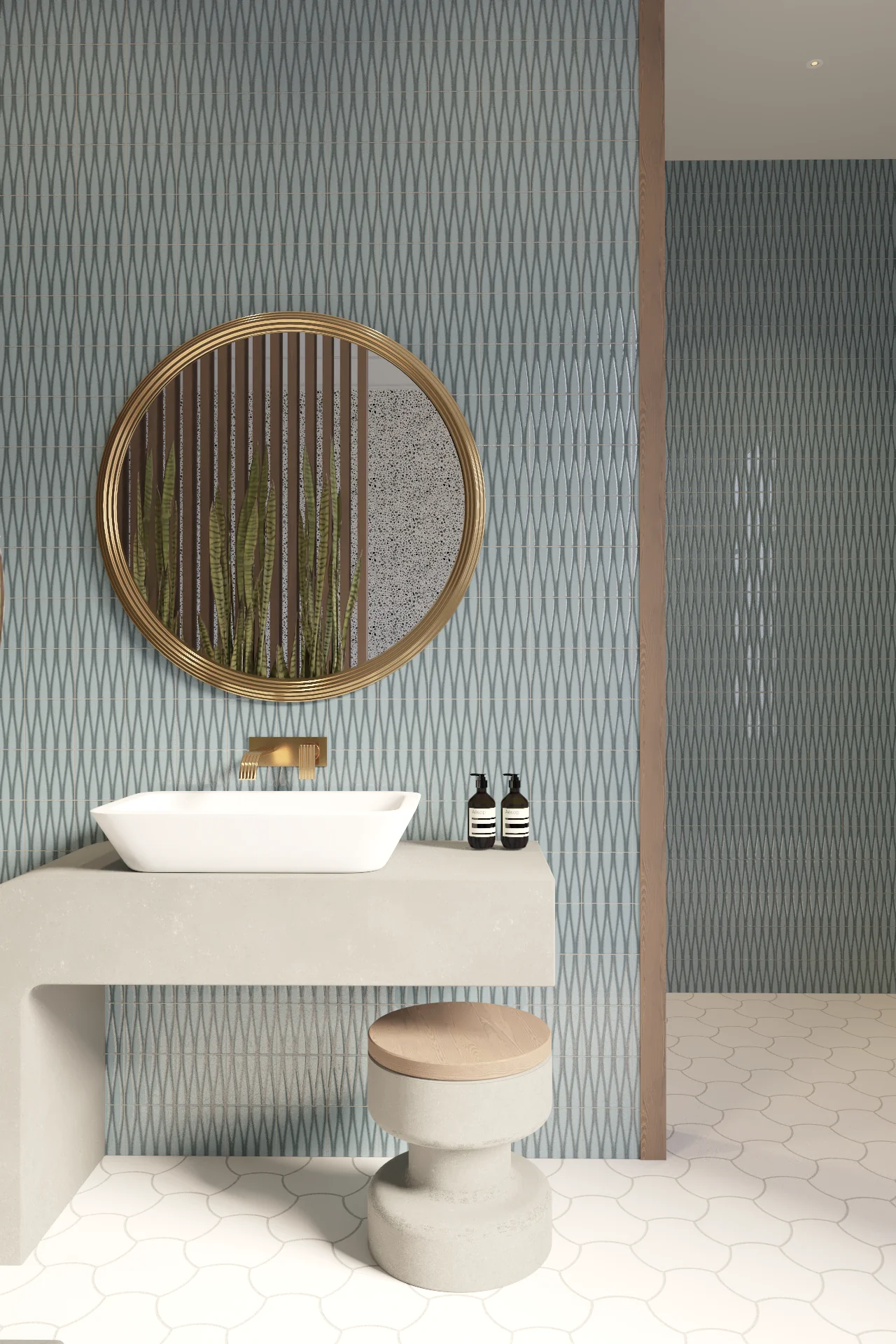
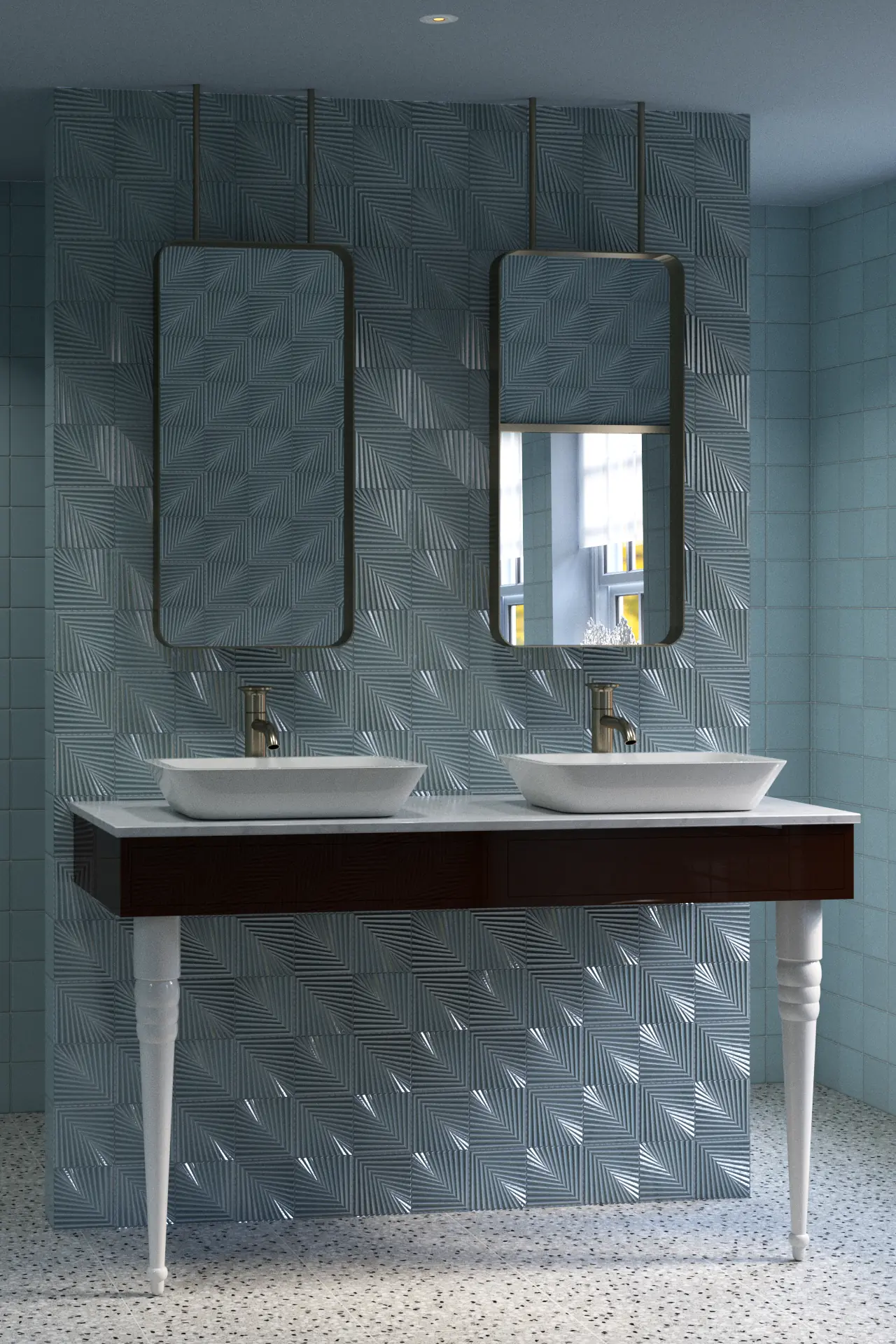
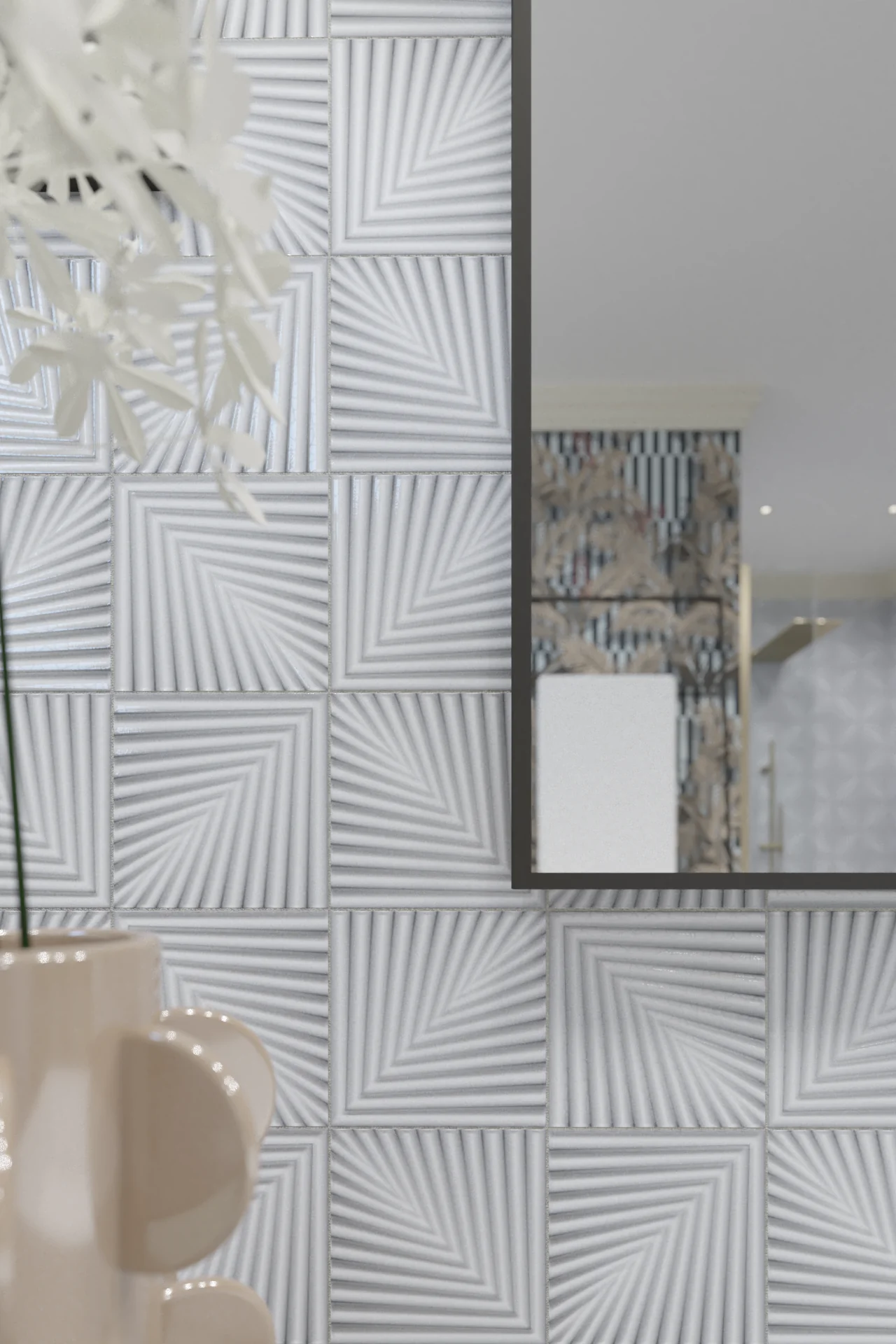
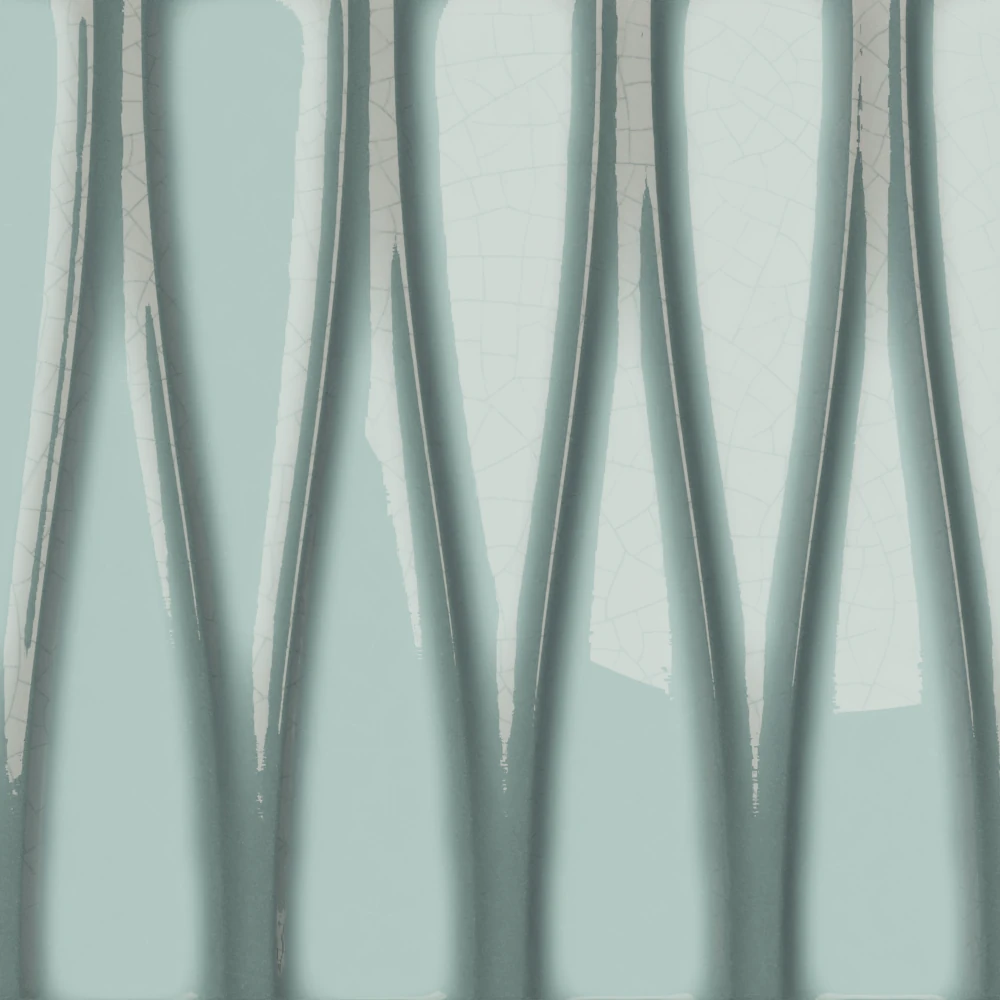
Moderne brings some of that spirit into the present. The references are recognisable without asking an interior to become a recreation of another period. What mattered was retaining the graphic clarity and decorative confidence, then allowing ceramic to give those ideas a contemporary material expression.
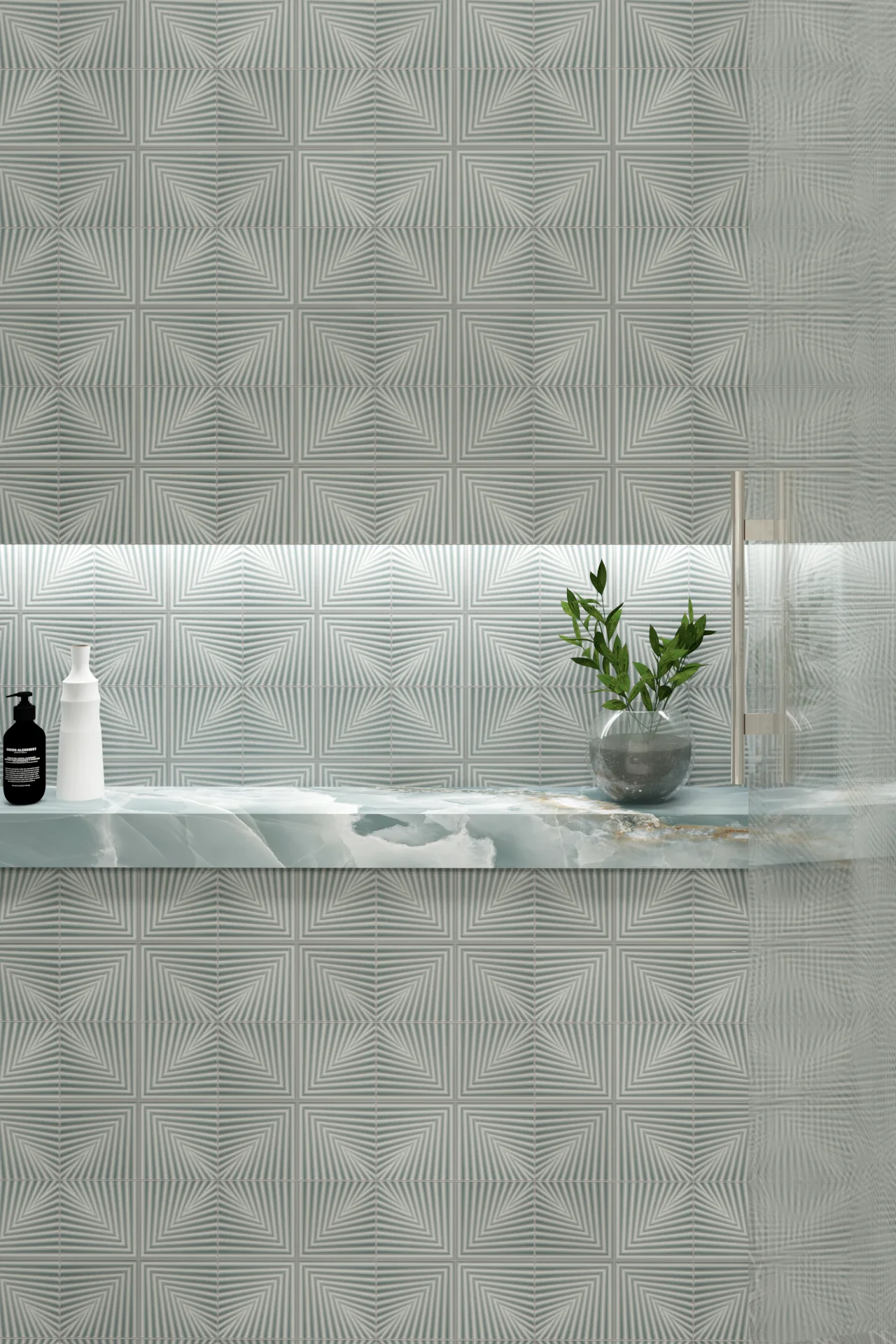
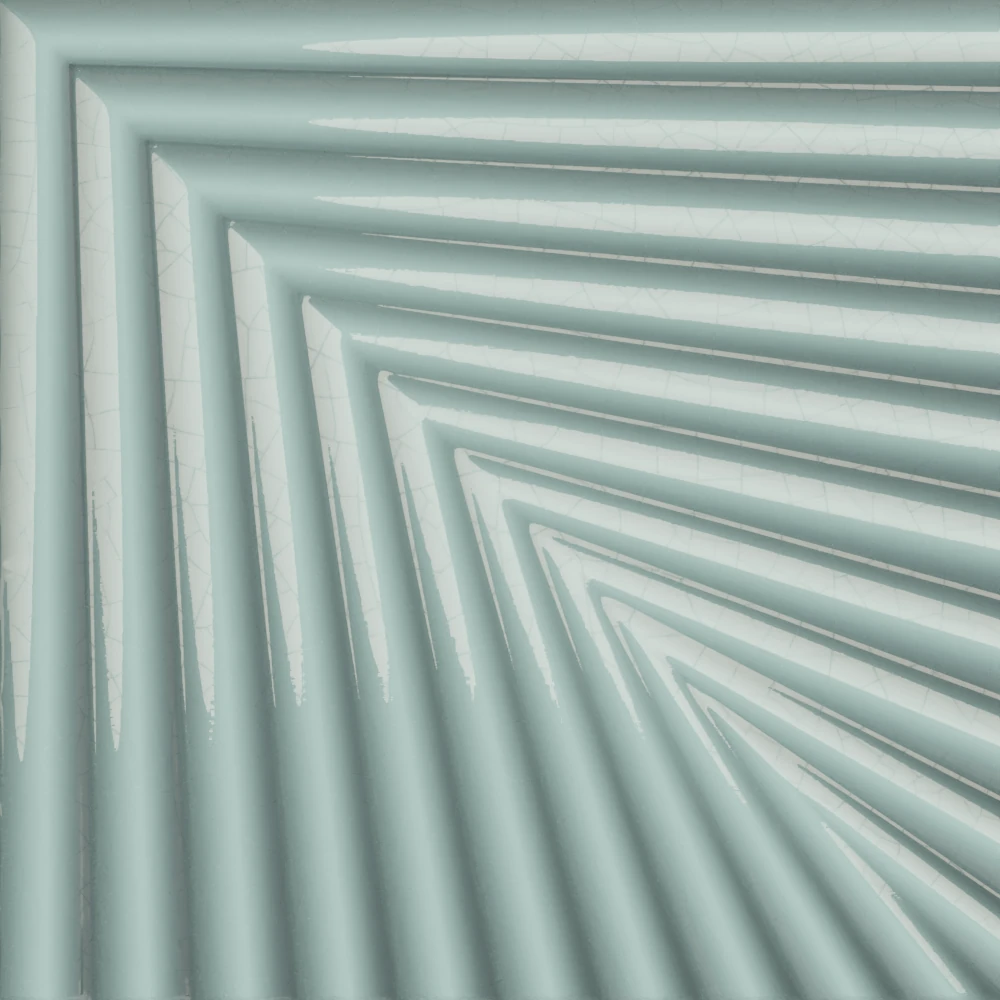
Relief is particularly important to that translation. The pattern exists within the tile rather than being printed onto it, giving decoration a physical quality that changes according to where you stand. The glaze settles into the modelling and gently exaggerates its depth, so colour and form become difficult to separate.
Perhaps what survives most successfully from the Moderne decorative arts is their lack of embarrassment about ornament. A century later, that confidence looks surprisingly fresh. Contemporary interiors have become comfortable again with pattern, texture and surfaces that are allowed to attract attention.
Moderne belongs to that renewed conversation. It takes the decorative optimism of an earlier twentieth century and brings it forward, not as nostalgia, but as a reminder that contemporary design can still afford to be decorative.

The Surfaces
Tiles
