
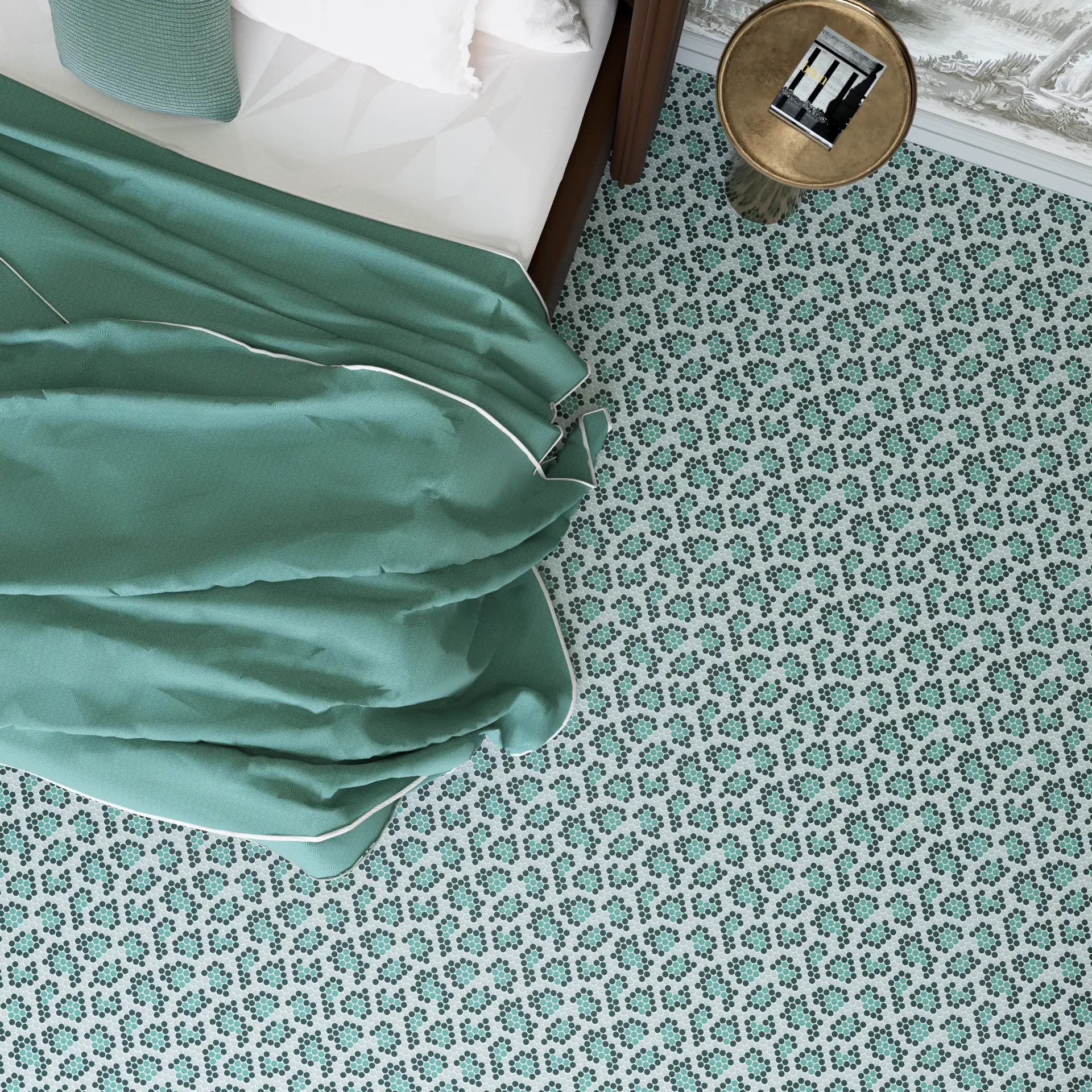
Leopard
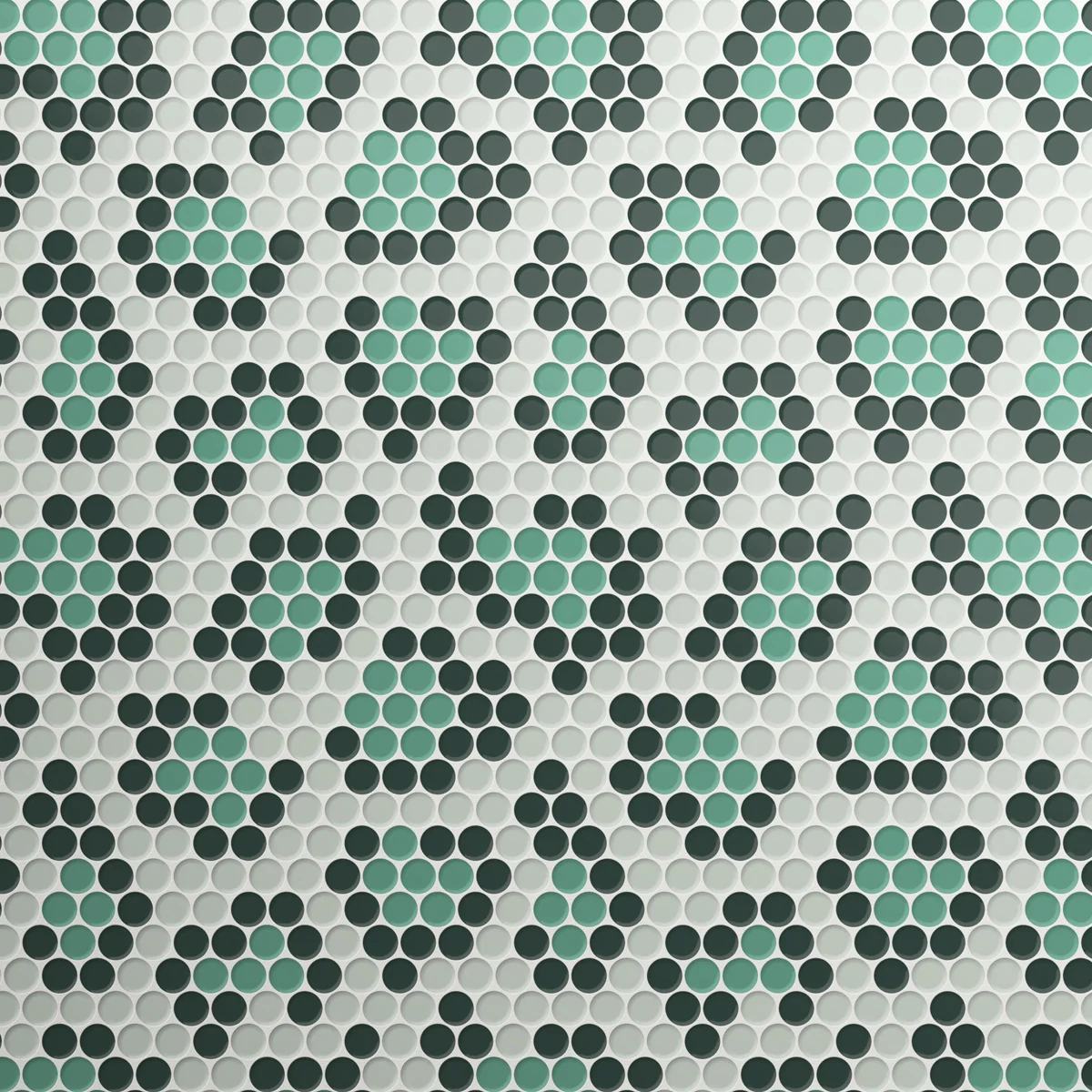
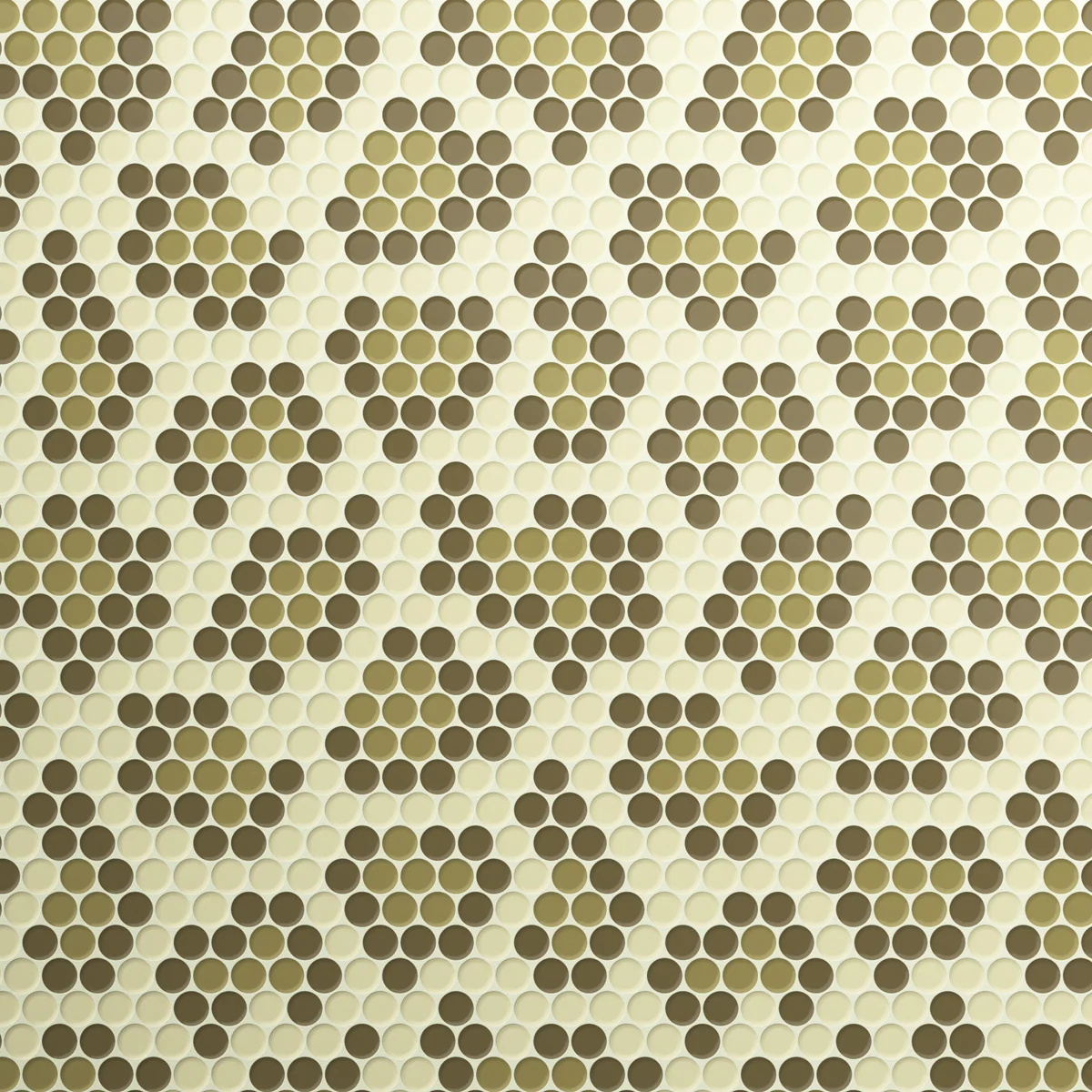
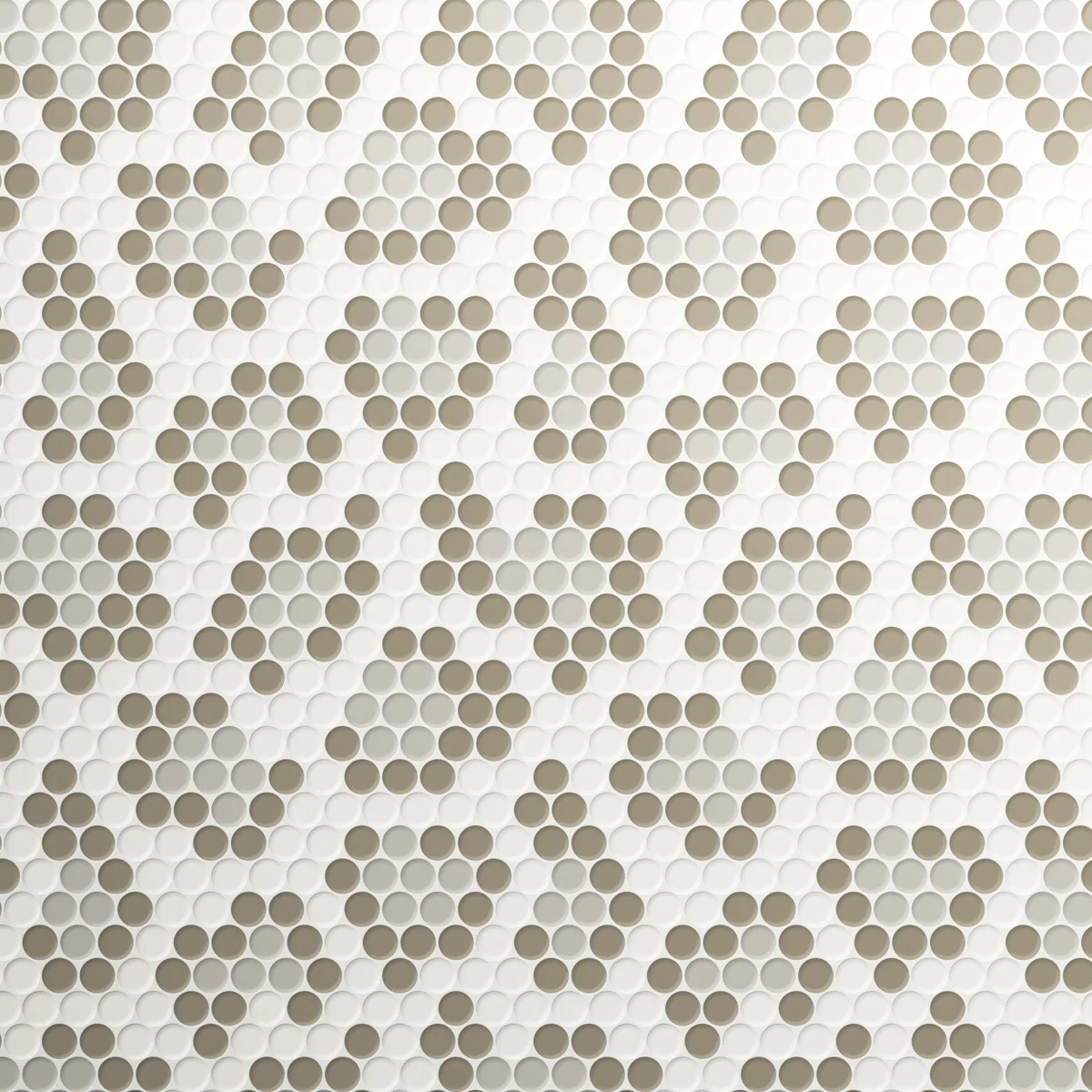
The Colours
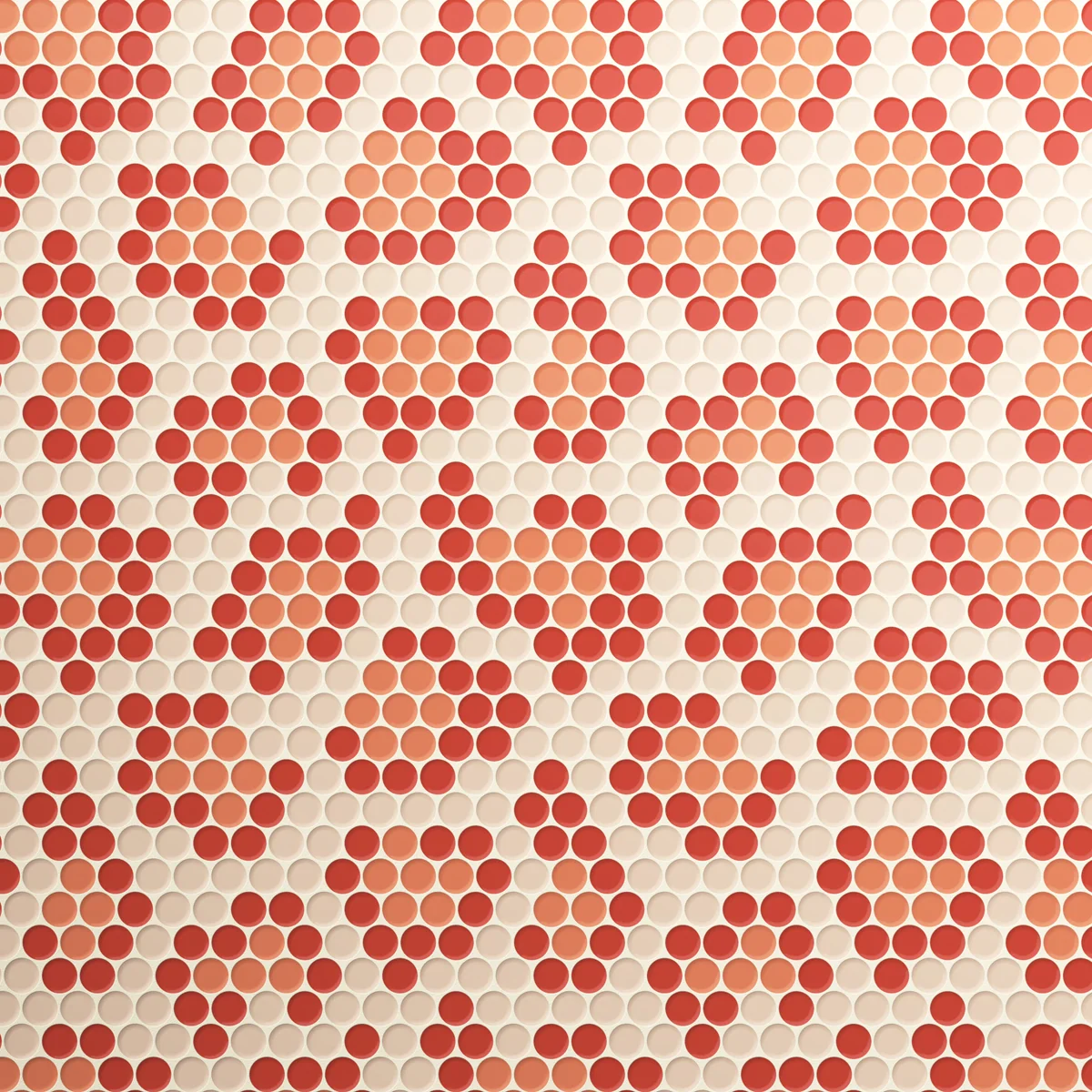

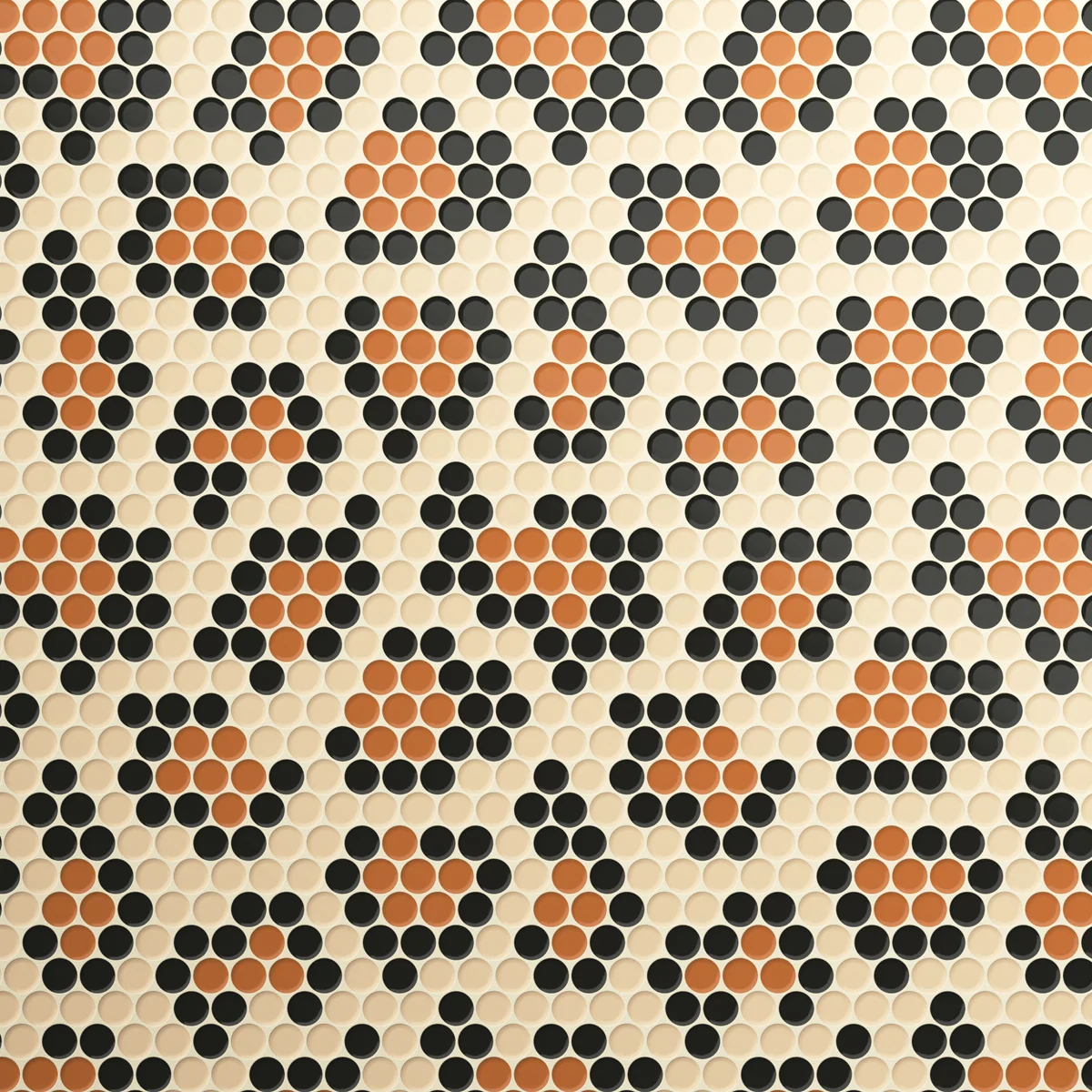
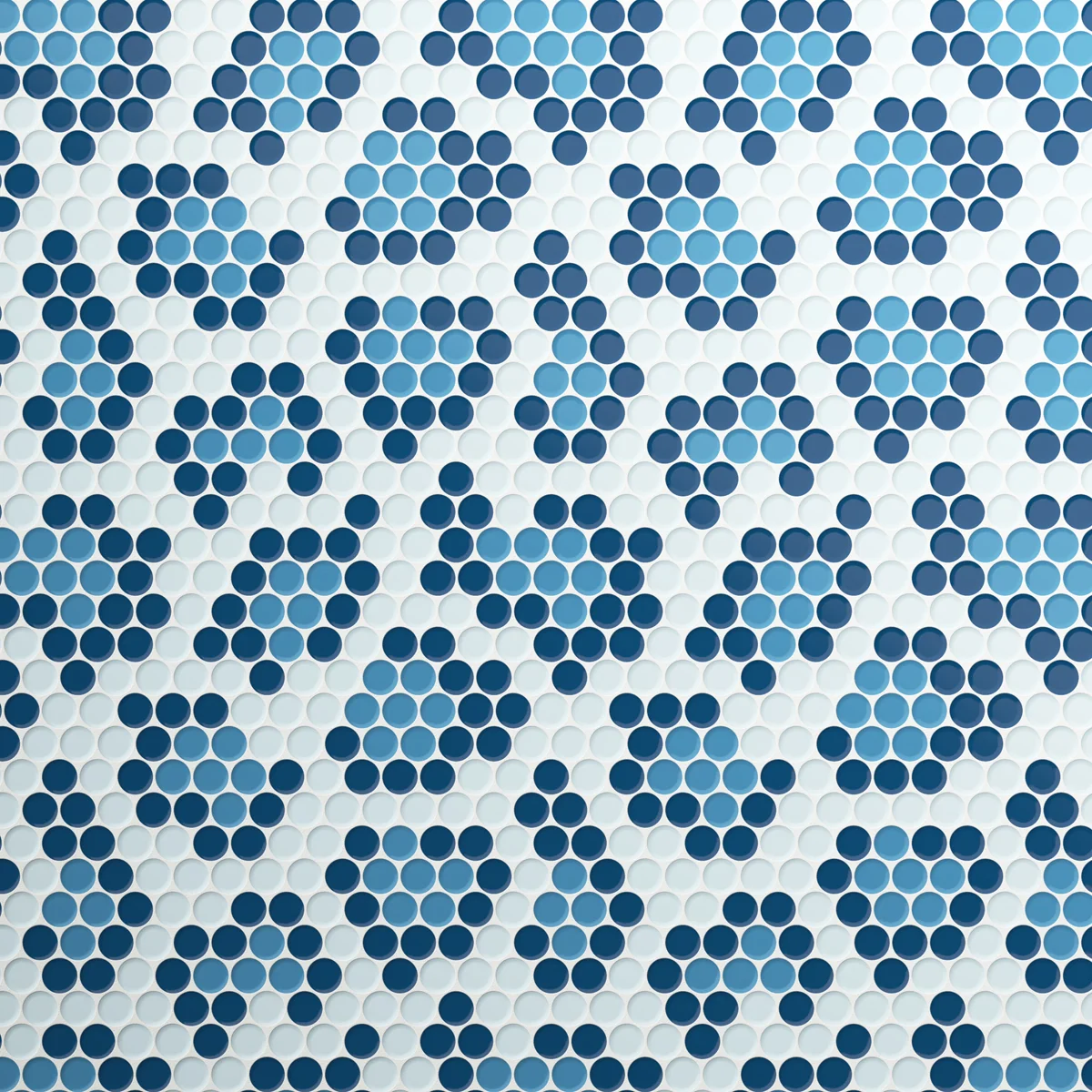
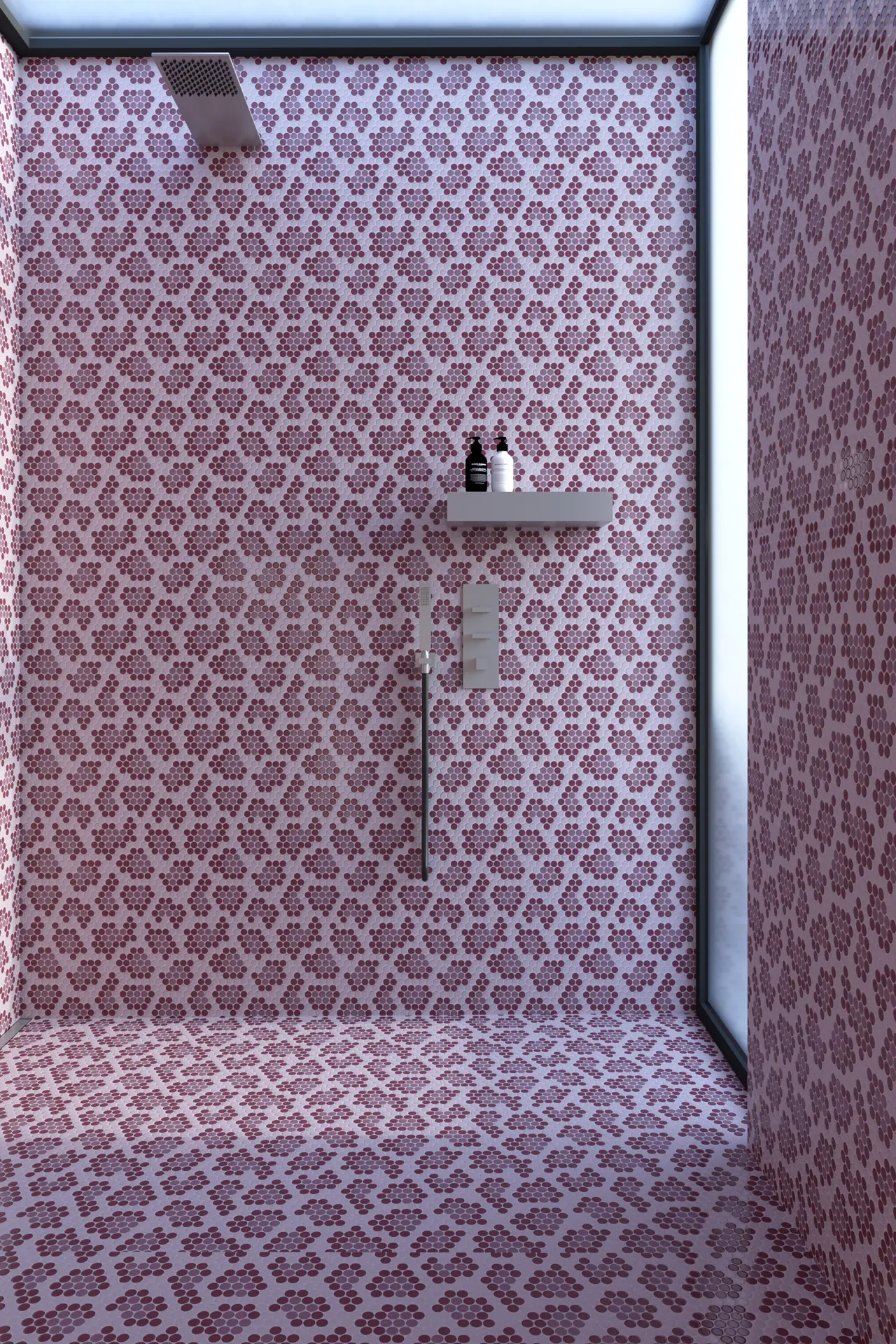
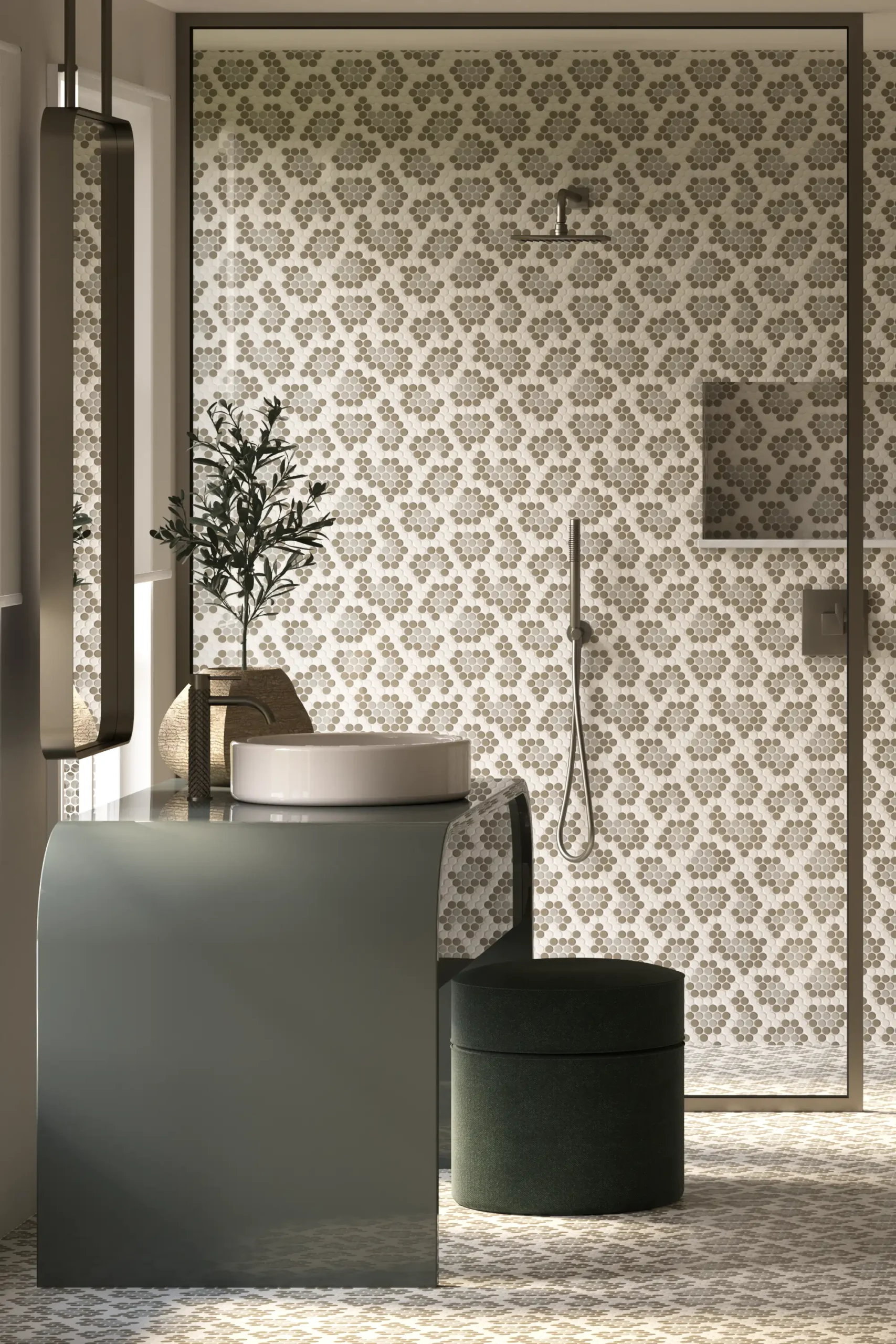
About Leopard Mosaic
Leopard begins with belonging.
In nature, pattern is rarely decorative. It has purpose. The markings of a leopard do more than distinguish one animal from another. They dissolve its outline, allowing it to become part of the landscape rather than separate from it. Pattern, in this sense, is not about standing out. It is about finding harmony with what surrounds it.
Design often works in much the same way.
The most memorable interiors are rarely collections of individual objects competing for attention. Instead, they rely on relationships between colour, texture and proportion, where every element supports the next. The room succeeds because everything belongs together.
Leopard borrows that quiet principle without borrowing nature too literally. The familiar motif becomes something altogether more architectural. Small circular tesserae gather into a measured composition that balances recognisable forms with gentle abstraction. Depending on where you stand, the pattern shifts between geometry and organic rhythm. At one moment it feels ordered. At the next it seems almost spontaneous, as though it has settled naturally into place.
Perhaps this is why animal patterns continue to appear across so many different cultures and disciplines. They offer more than ornament. They remind us that repetition can feel instinctive, that irregularity has its own kind of order, and that the most engaging compositions often avoid perfect symmetry.
Leopard embraces that quiet tension. Structured yet relaxed, familiar yet unexpected, it sits comfortably within contemporary architecture without ever feeling confined by it. The pattern doesn’t imitate nature. It adopts one of its oldest lessons: the most enduring designs do not fight their surroundings. They become part of them.
Availability and Sales enquiries to Tessere Mosaico