
Rococo
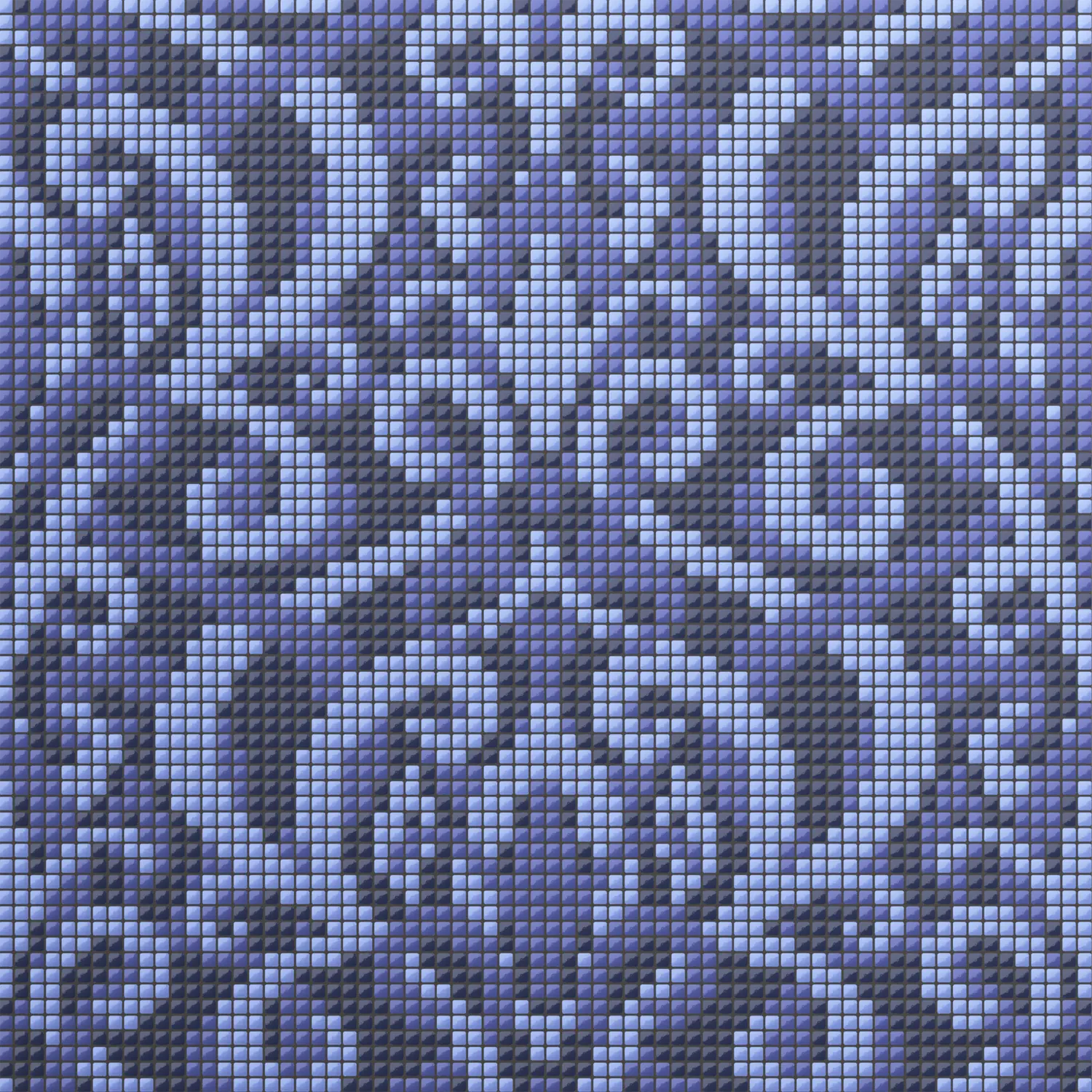
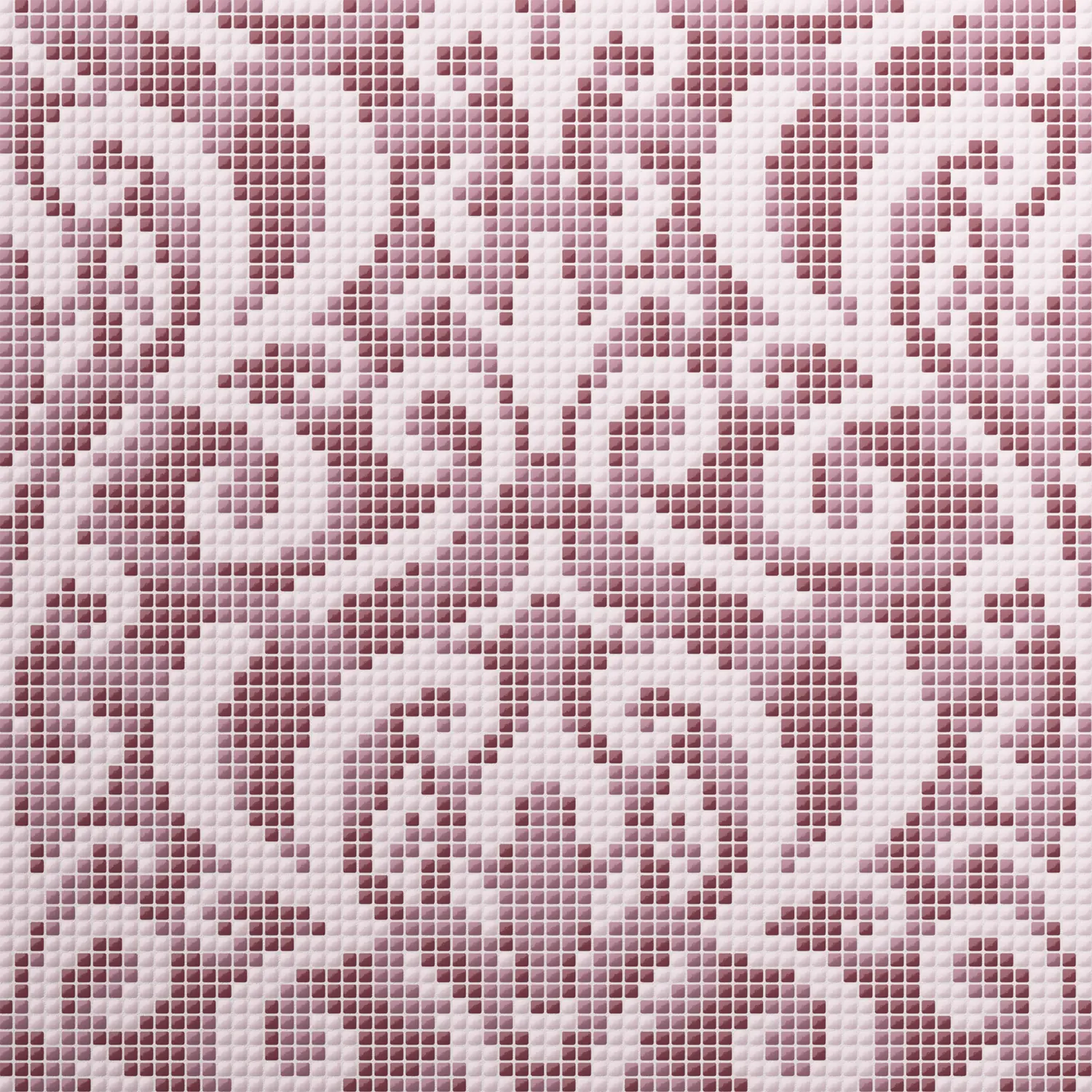
The Colours



About Rococo Mosaic
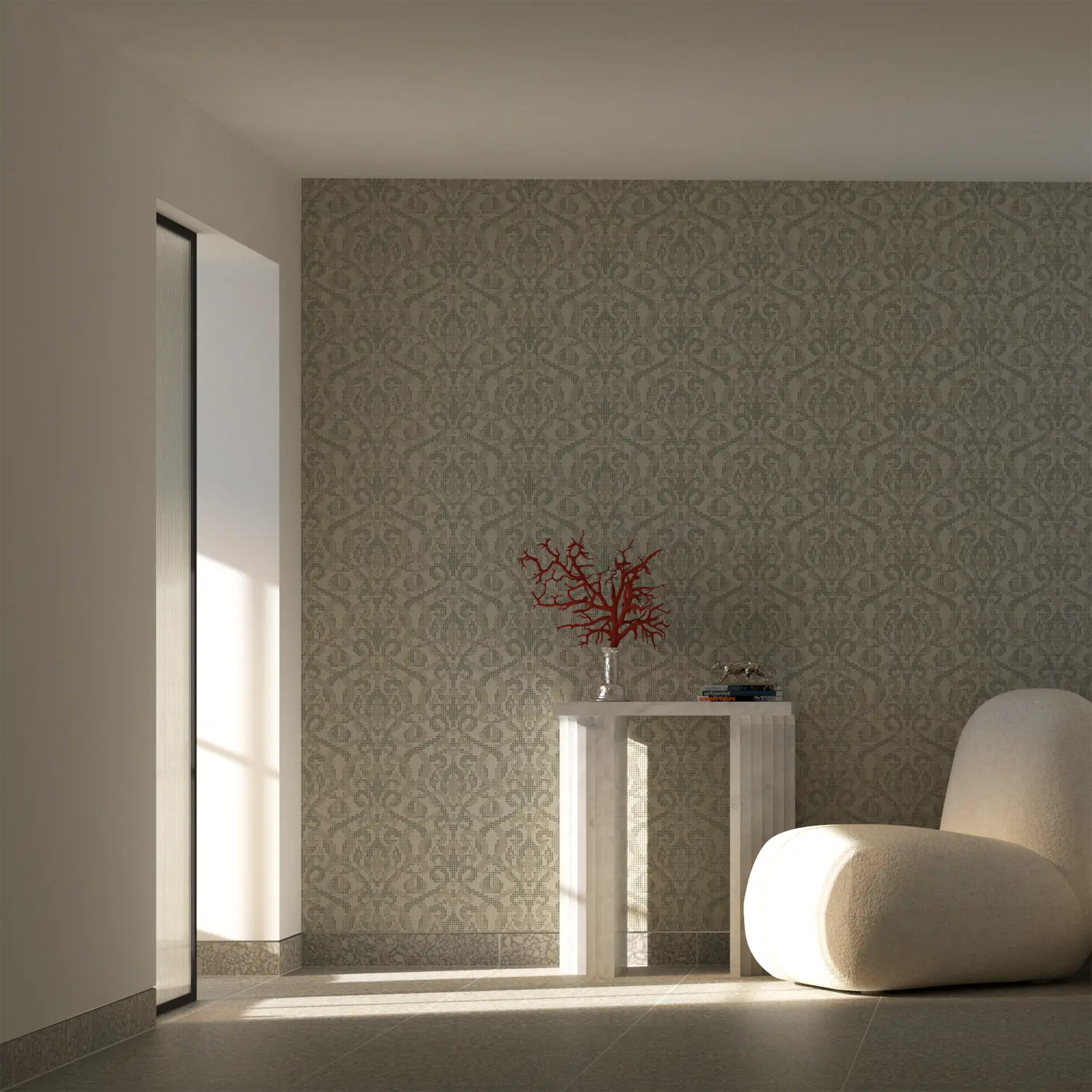
Rococo begins with ornament.
For much of the last century, ornament was treated with suspicion. It was dismissed as unnecessary, a distraction from the purity of form. Yet history tells a different story. Across cultures and centuries, people have returned again and again to decoration, not because it is essential, but because it brings pleasure. Ornament reminds us that function alone is rarely enough.
They balance simplicity with moments of richness. A carved handrail invites the touch. A patterned floor slows the pace. A decorative screen filters light into something softer and more generous. Ornament is never merely applied. It shapes the way a place feels.
Rococo explores that tradition with a lighter hand.
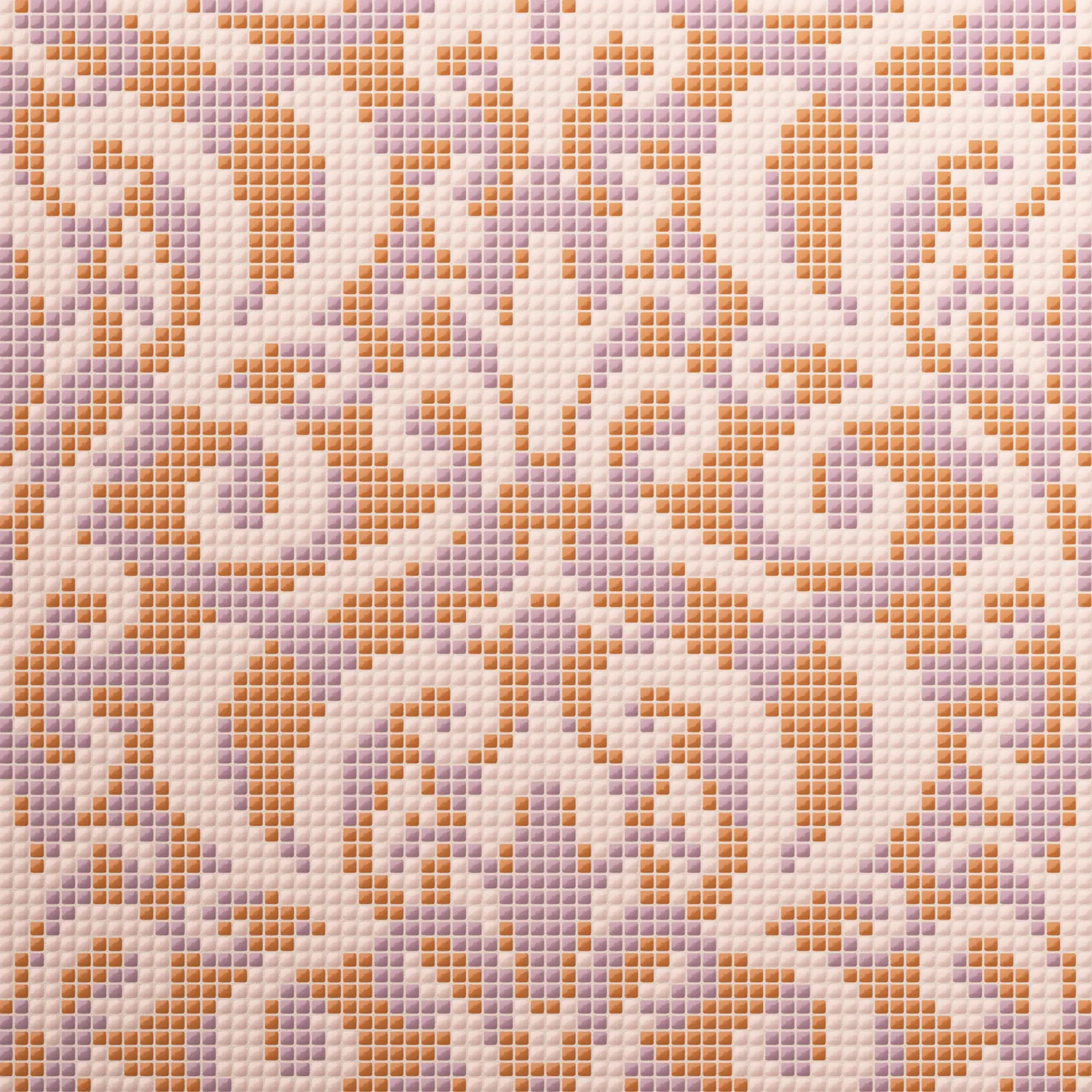
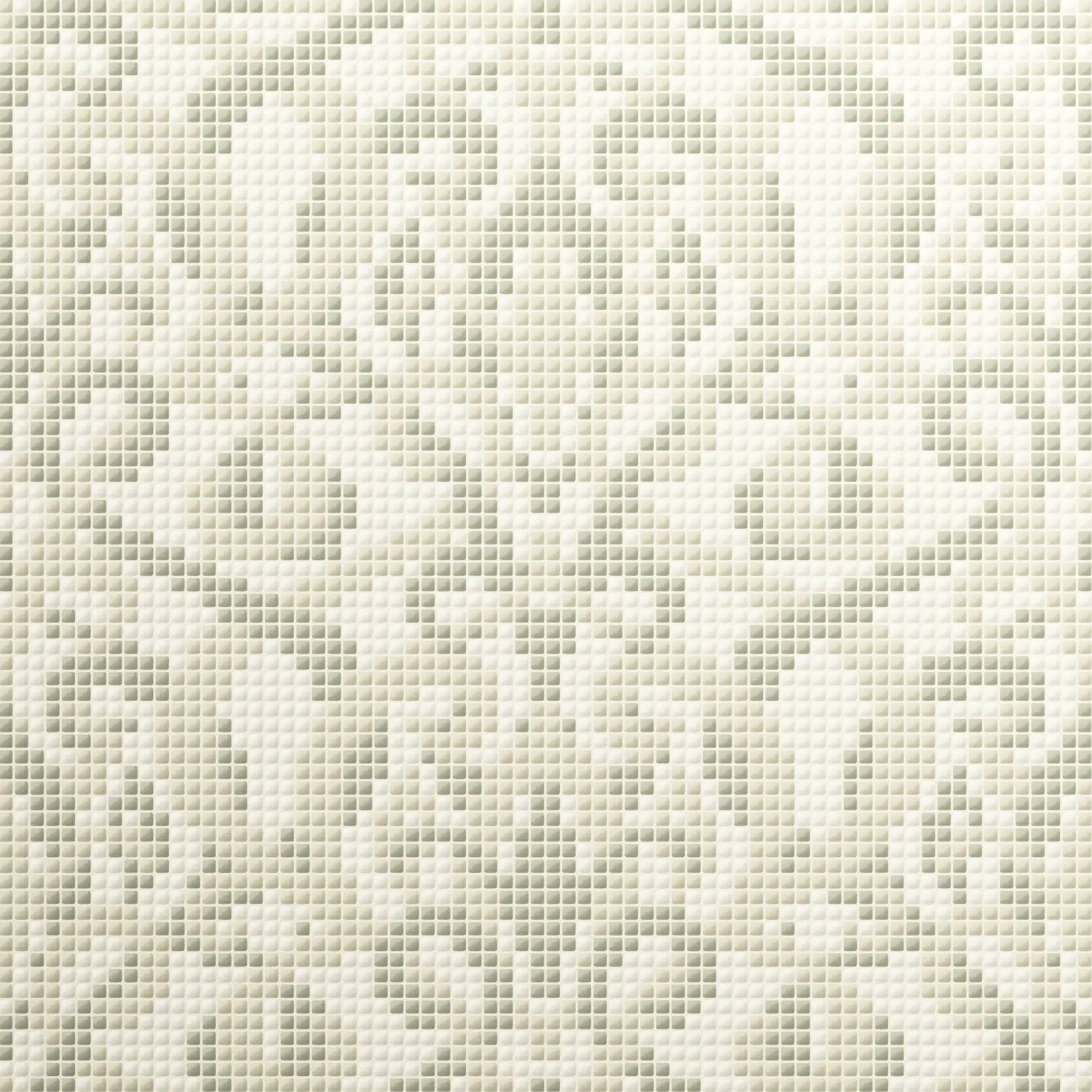
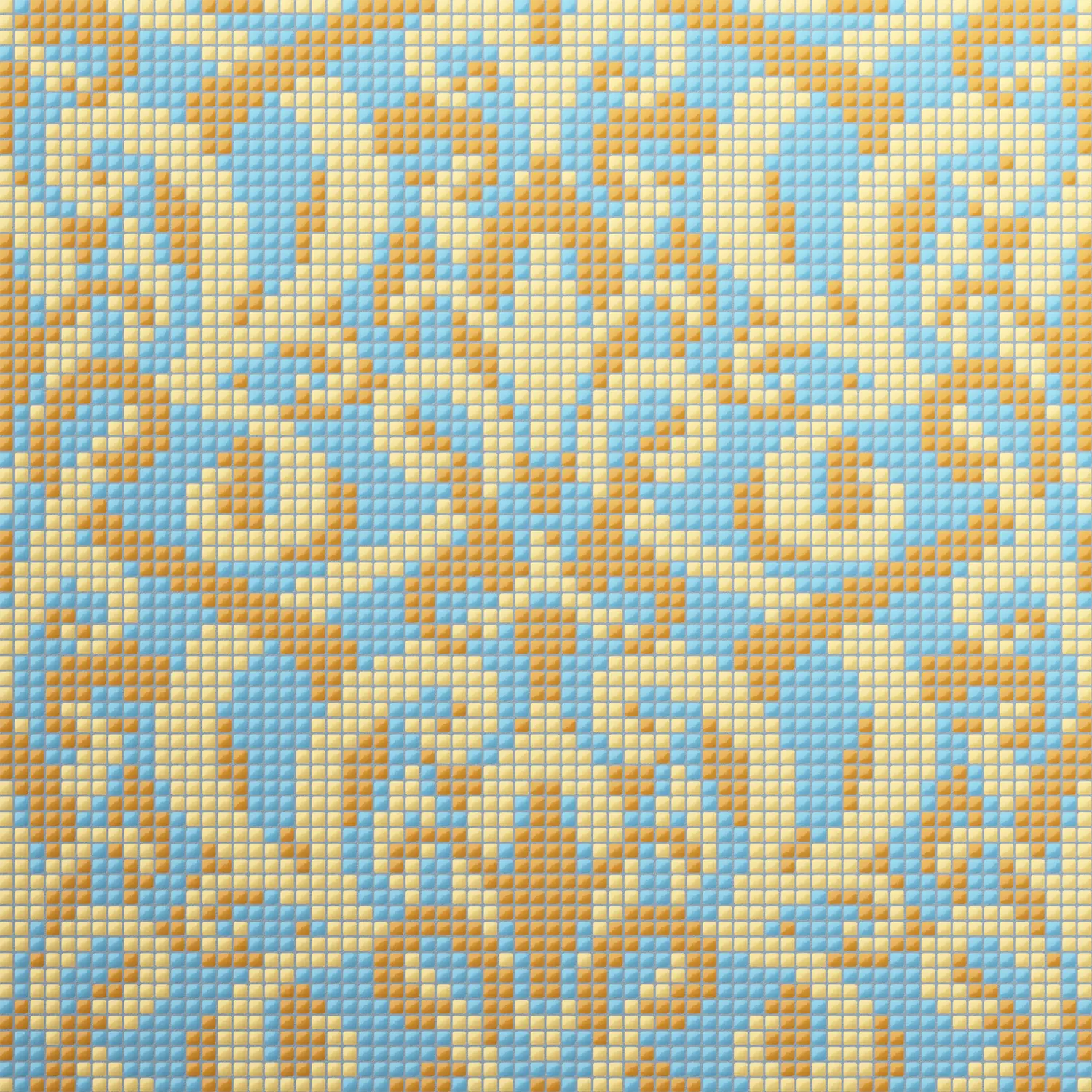
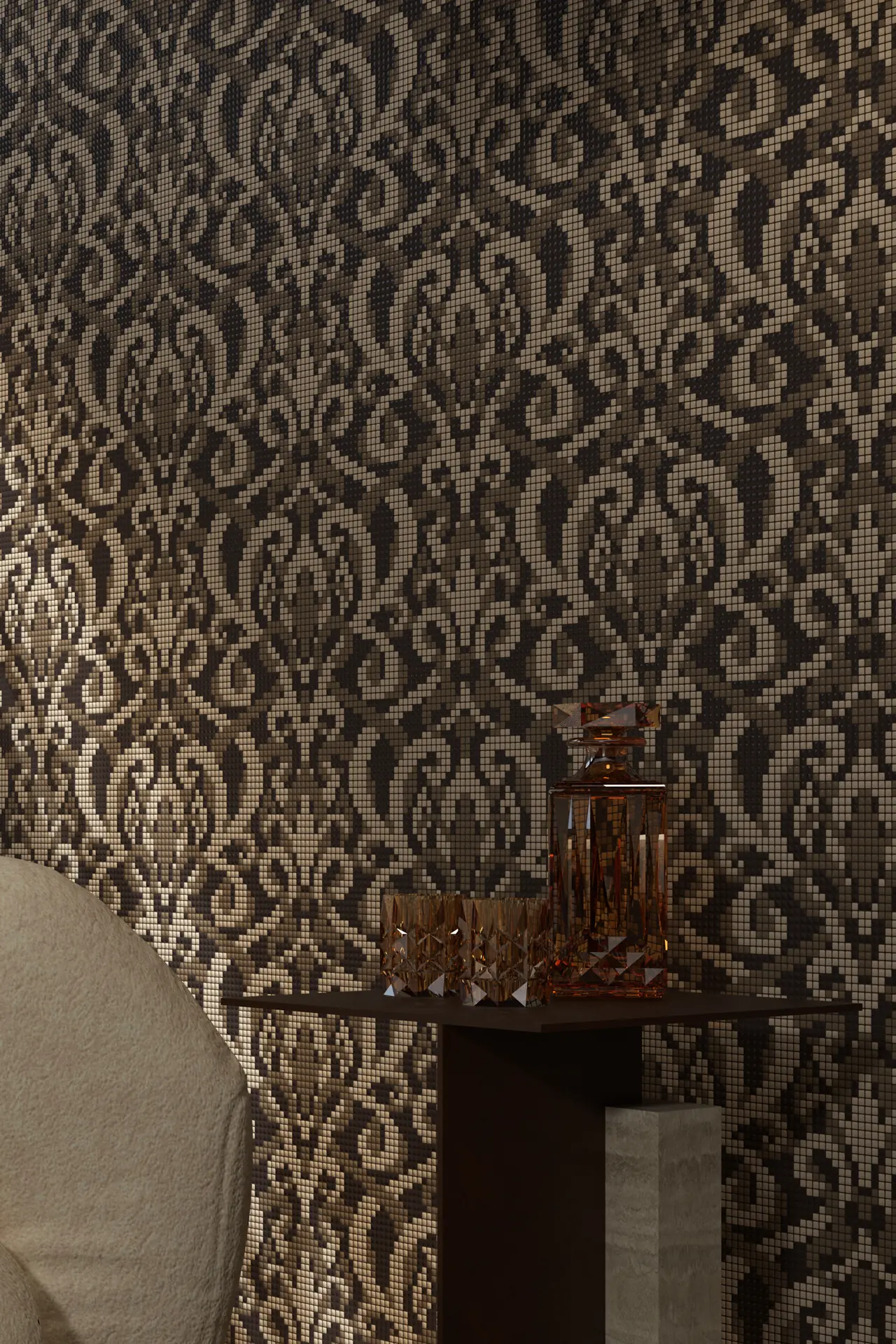
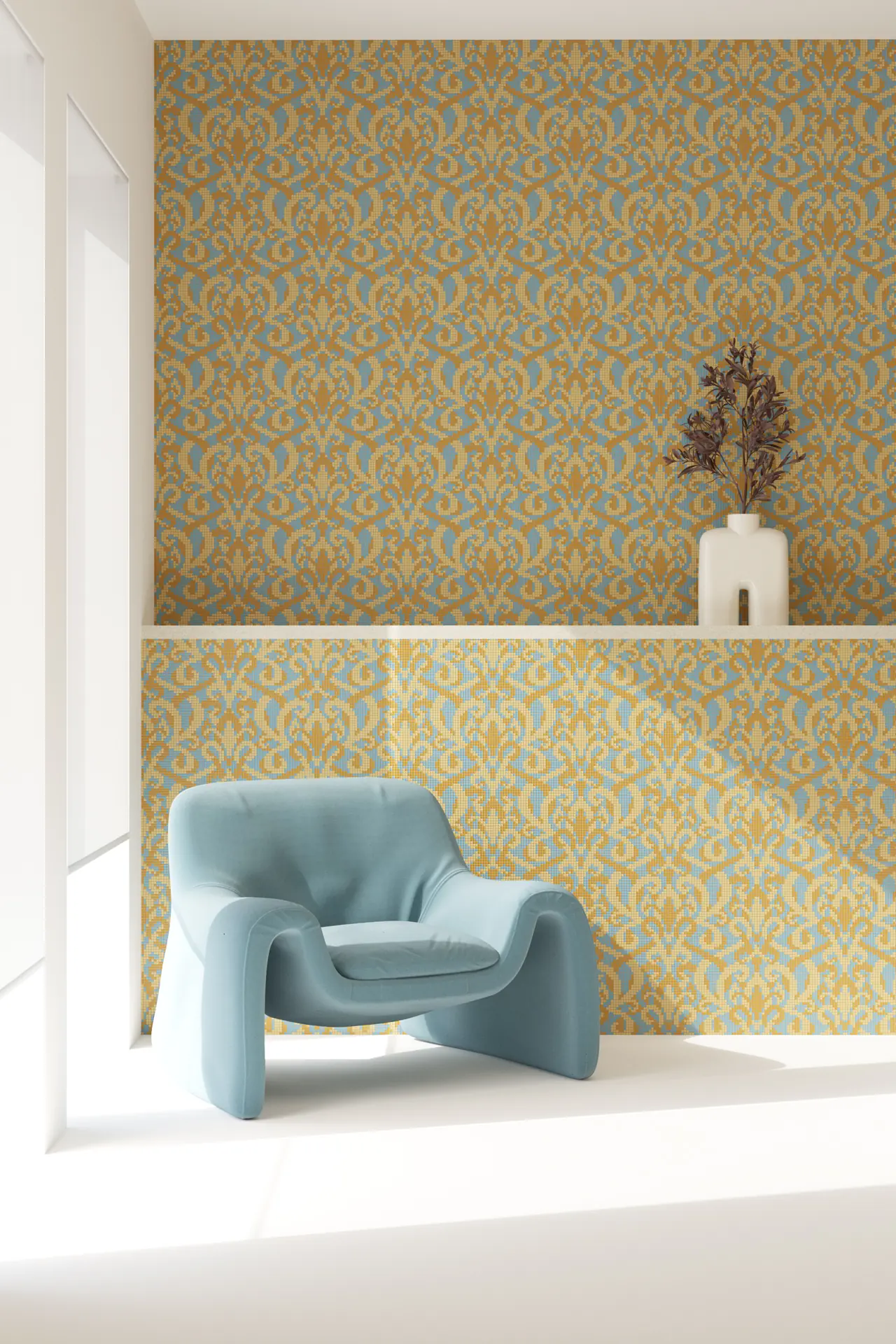
Its flowing geometry recalls the movement of historic decorative arts without becoming tied to any particular period. Small circular tesserae build an intricate composition that feels surprisingly calm, where every flourish belongs to a larger rhythm. The pattern rewards attention, revealing new relationships as the eye wanders across the surface, yet it never feels heavy or overworked.
Perhaps this explains why ornament continues to return, even after generations have declared it obsolete. It speaks to something deeply human. We decorate the objects we value, the buildings we inhabit and the spaces where life unfolds because beauty is not separate from usefulness. It is part of the experience itself.
Rococo celebrates that enduring idea. It reminds us that decoration is not the opposite of good design. At its best, it is one of its finest expressions, bringing warmth, character and delight to architecture without ever compromising clarity or restraint.
Availability and Sales enquiries to Tessere Mosaico