

Pulsar
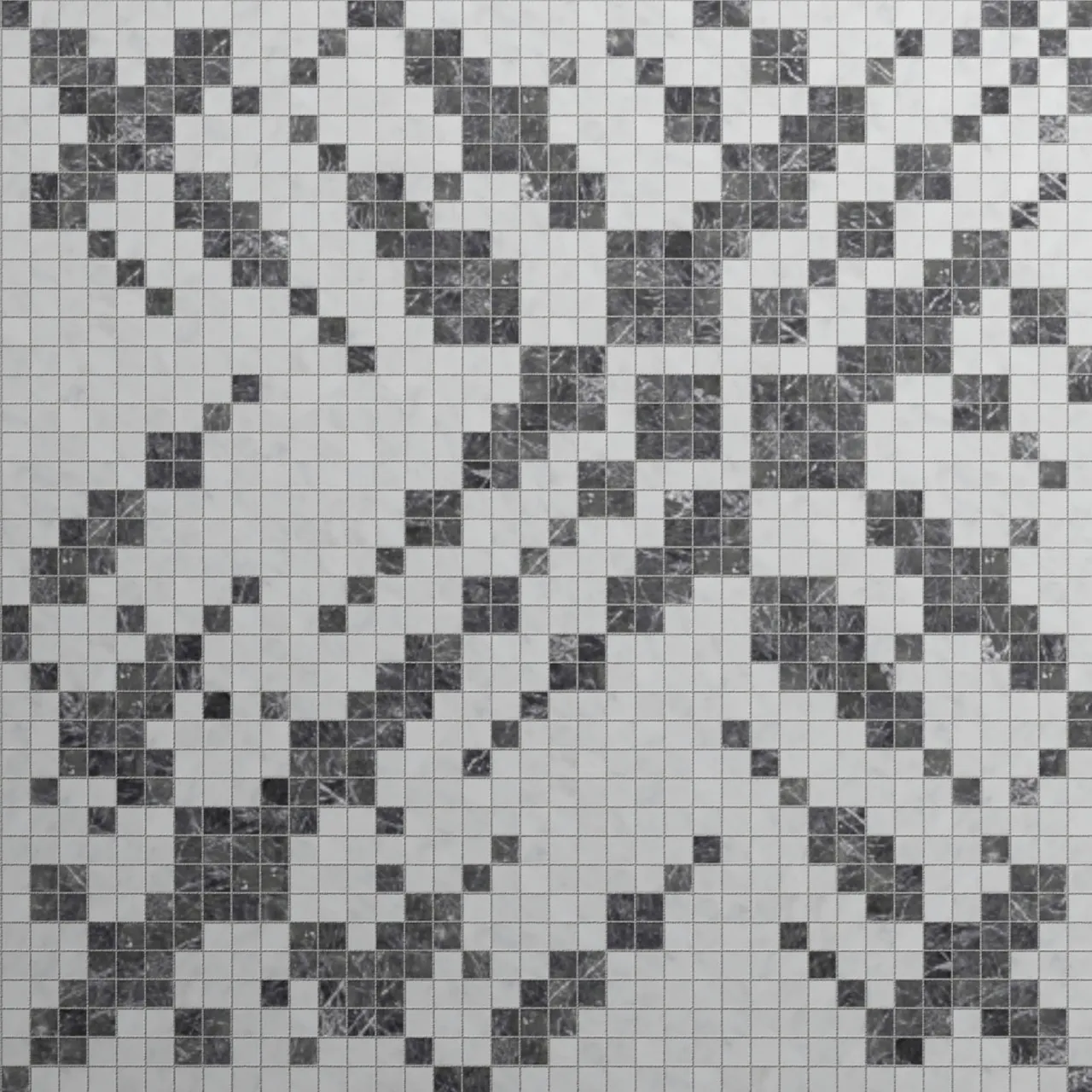
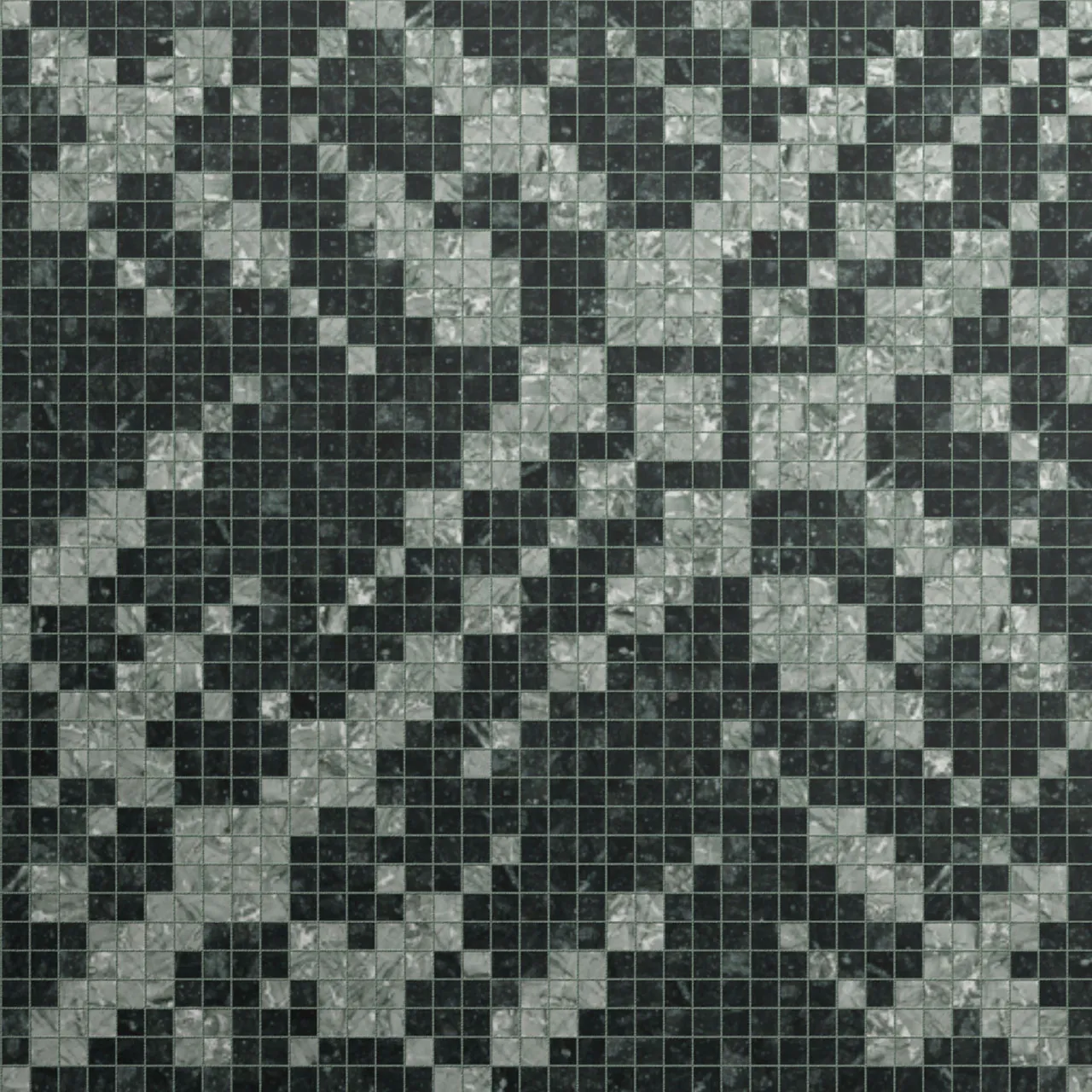
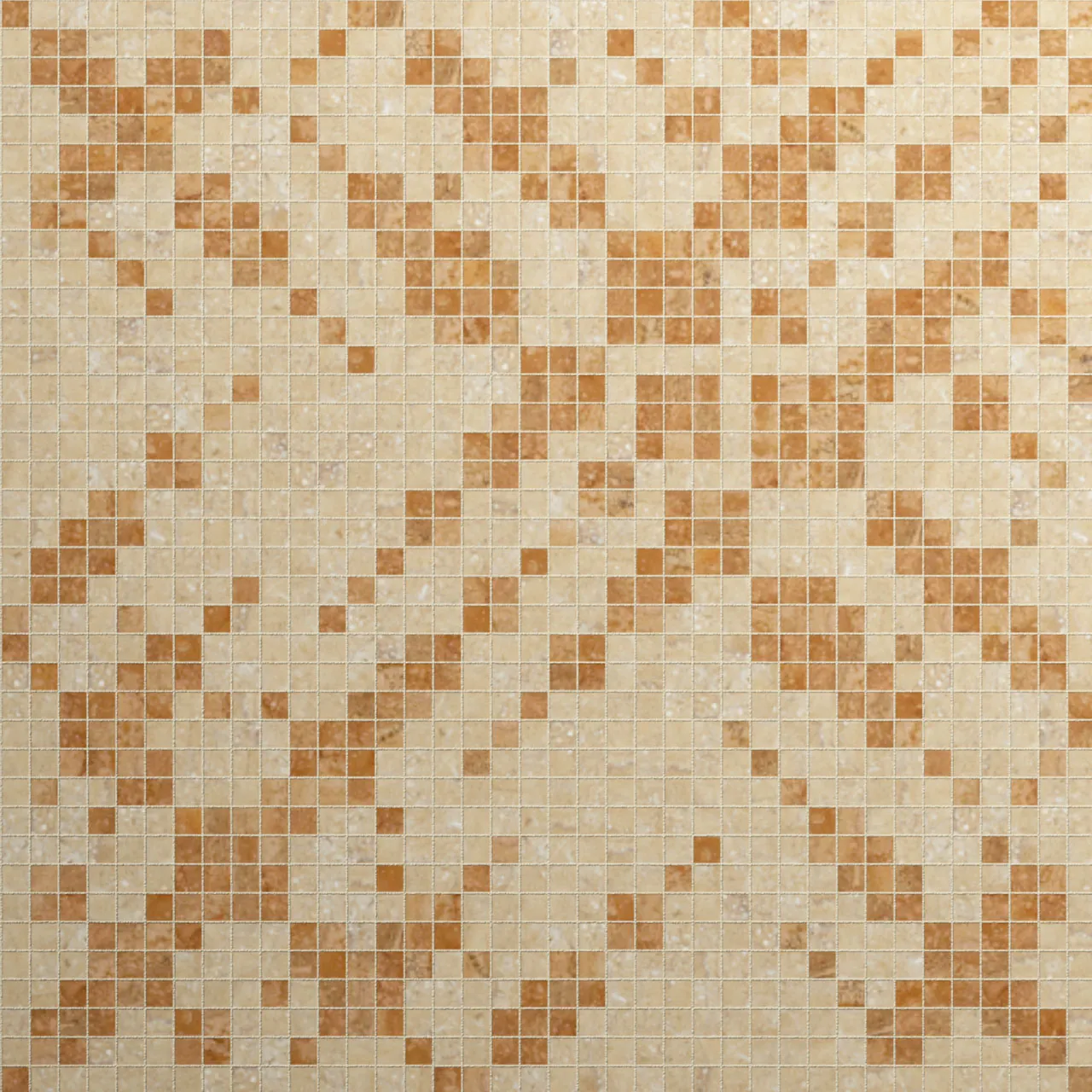
The Colours



About Pulsar Mosaic
The universe has an extraordinary sense of rhythm. Stars rotate, planets orbit and distant celestial bodies follow patterns of almost unimaginable precision. Even the apparent chaos of space has its own peculiar order.
Pulsars are particularly fascinating. These rapidly rotating neutron stars emit beams of radiation that sweep across space with remarkable regularity. Their discovery in 1967 was so unexpected that astronomers briefly considered whether the signals might have an artificial origin. Nature, it turned out, had produced something more precise than anyone anticipated.
The idea of translating celestial phenomena into ornament has a long and colourful history. Ancient civilisations looked to the heavens for symbols of order and permanence, while Art Deco embraced stars, sunbursts and radiating forms with almost theatrical enthusiasm. The fascination continues, although our understanding of the universe has changed enormously.
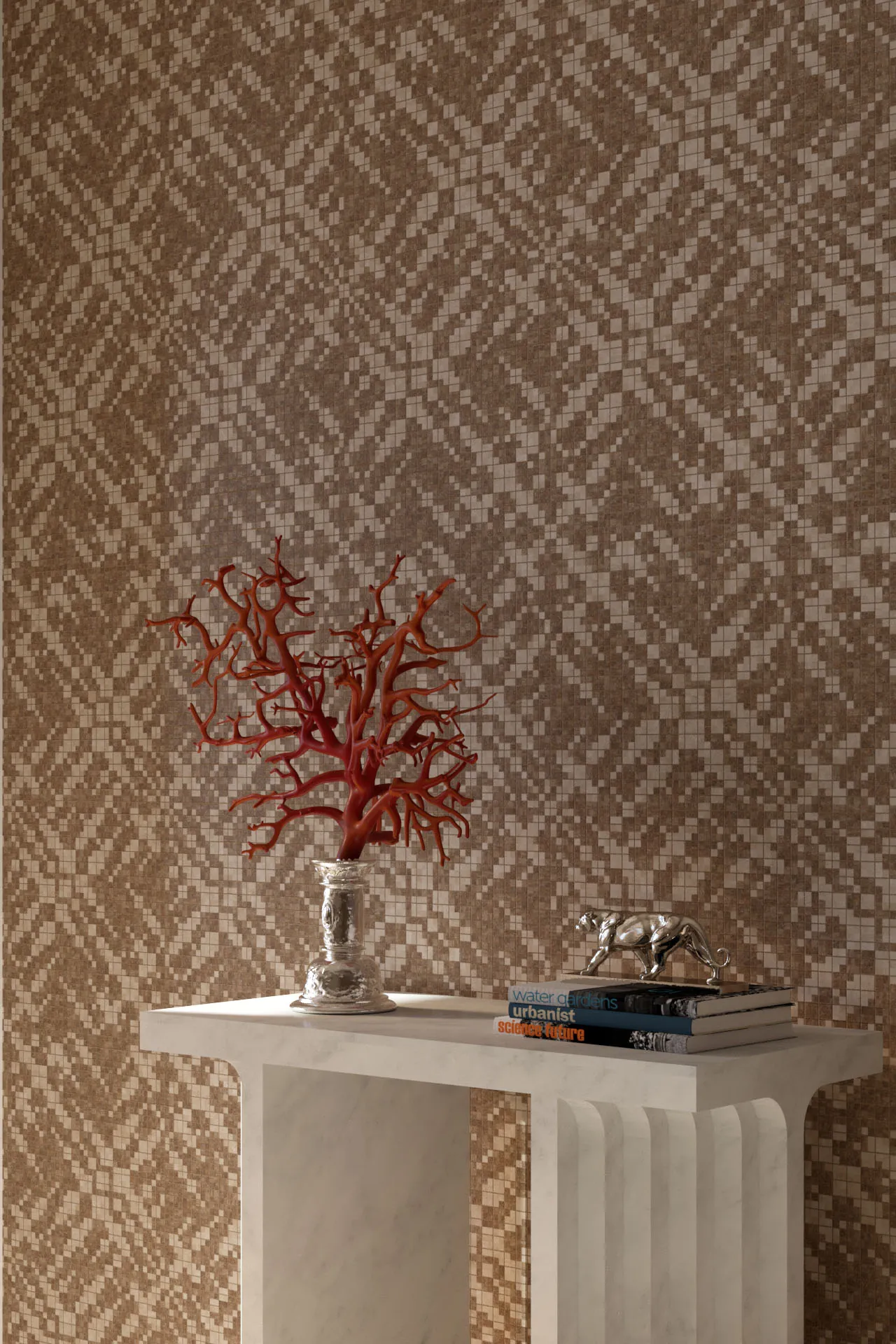
Pulsar belongs to this tradition of finding decorative inspiration in the heavens. Its geometry has a little of the energy of a starburst, but the underlying idea is really about rhythm. The repetition of a single event, continuing indefinitely, creates a sense of order that feels both mathematical and wonderfully mysterious.
Availability and Sales enquiries to Tessere Mosaico
15mm Marble & Stone Mosaic
