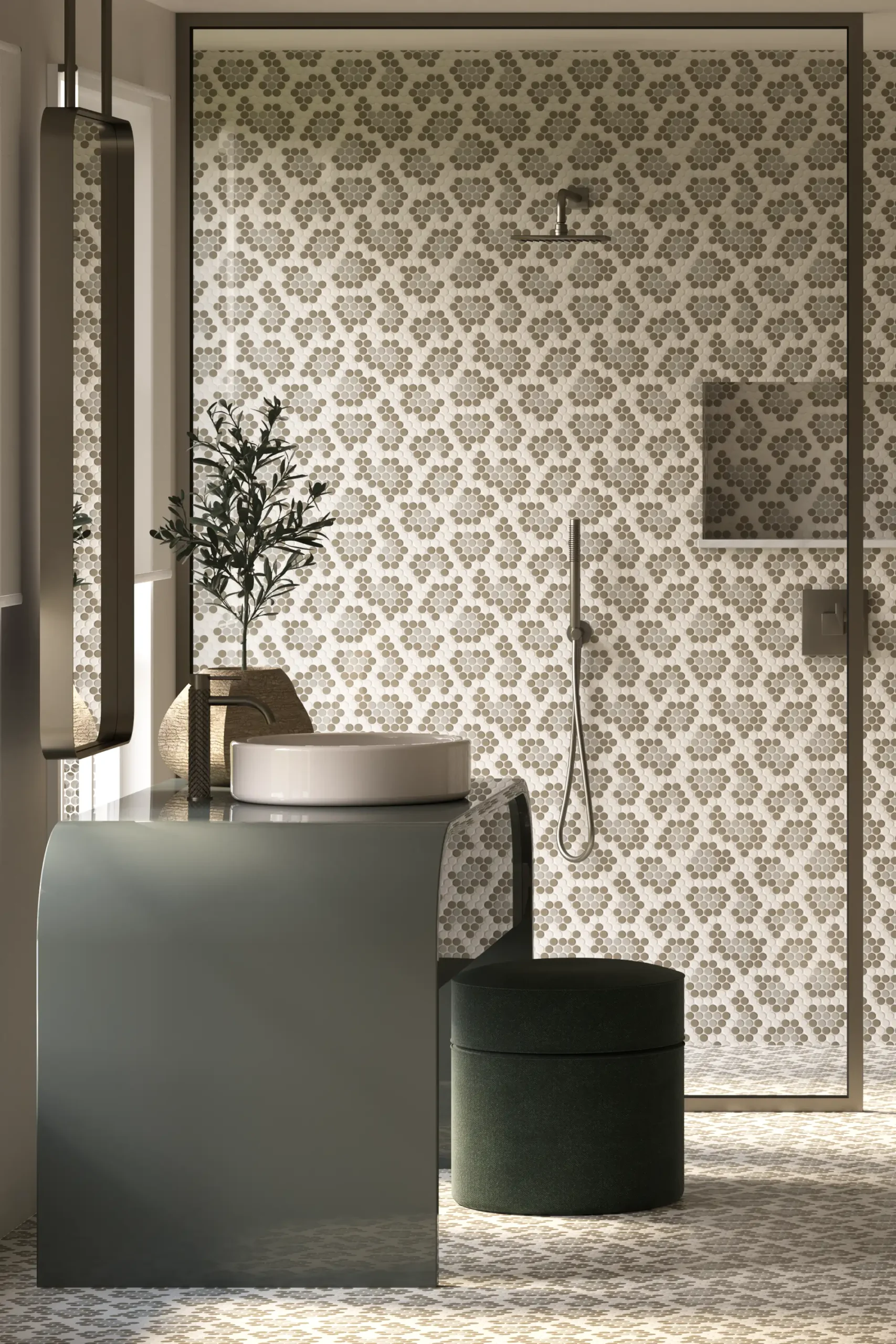
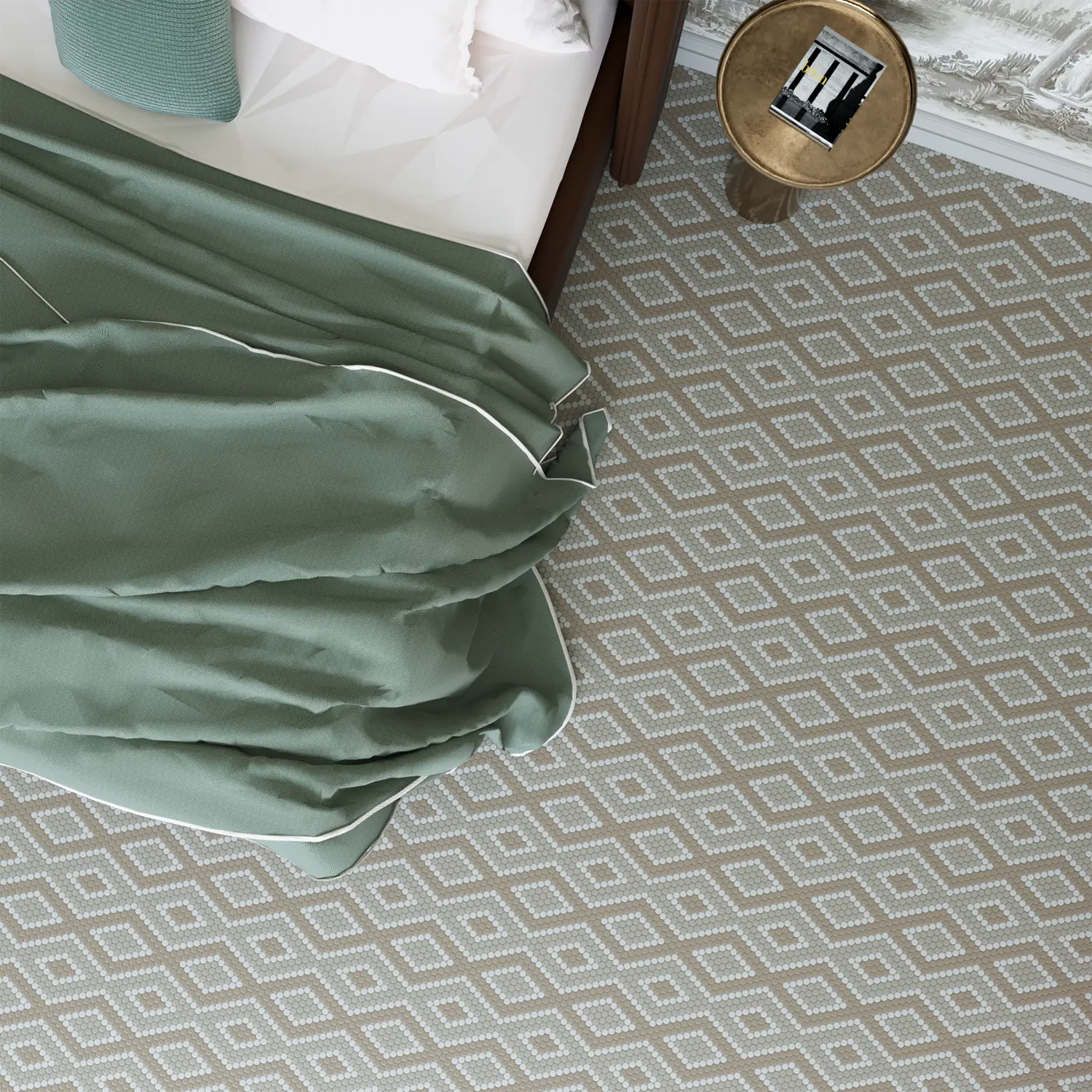
Diamond
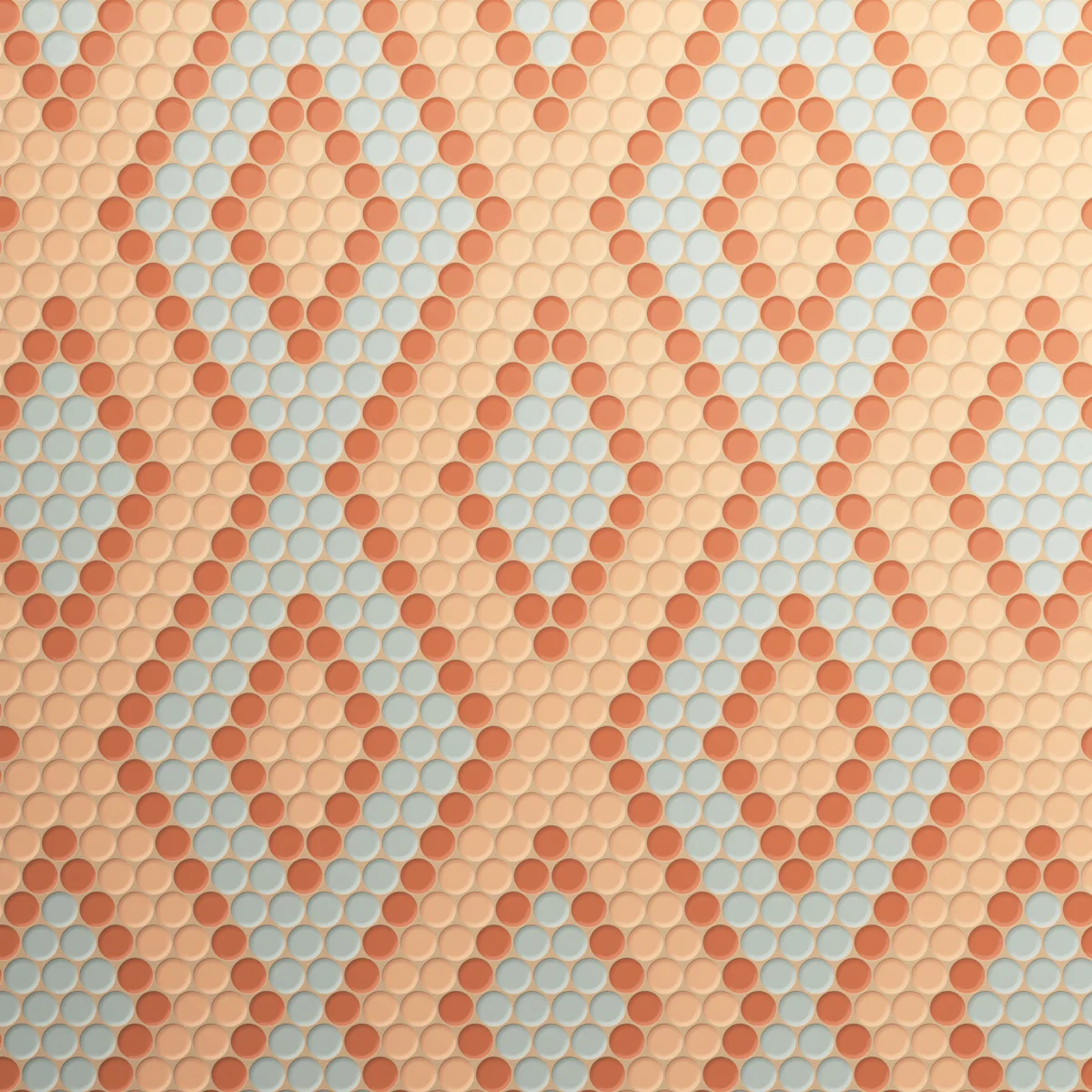
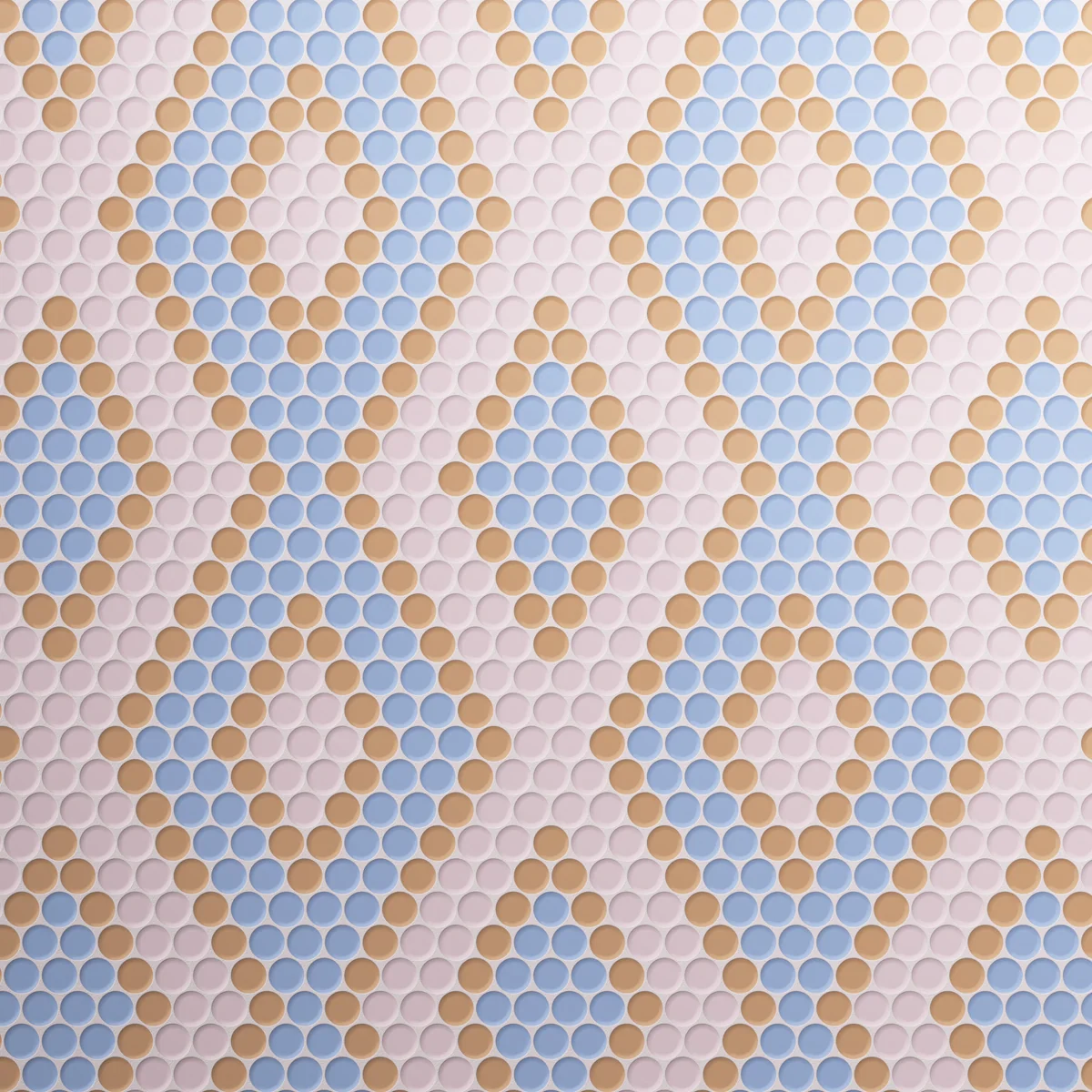
The Colours
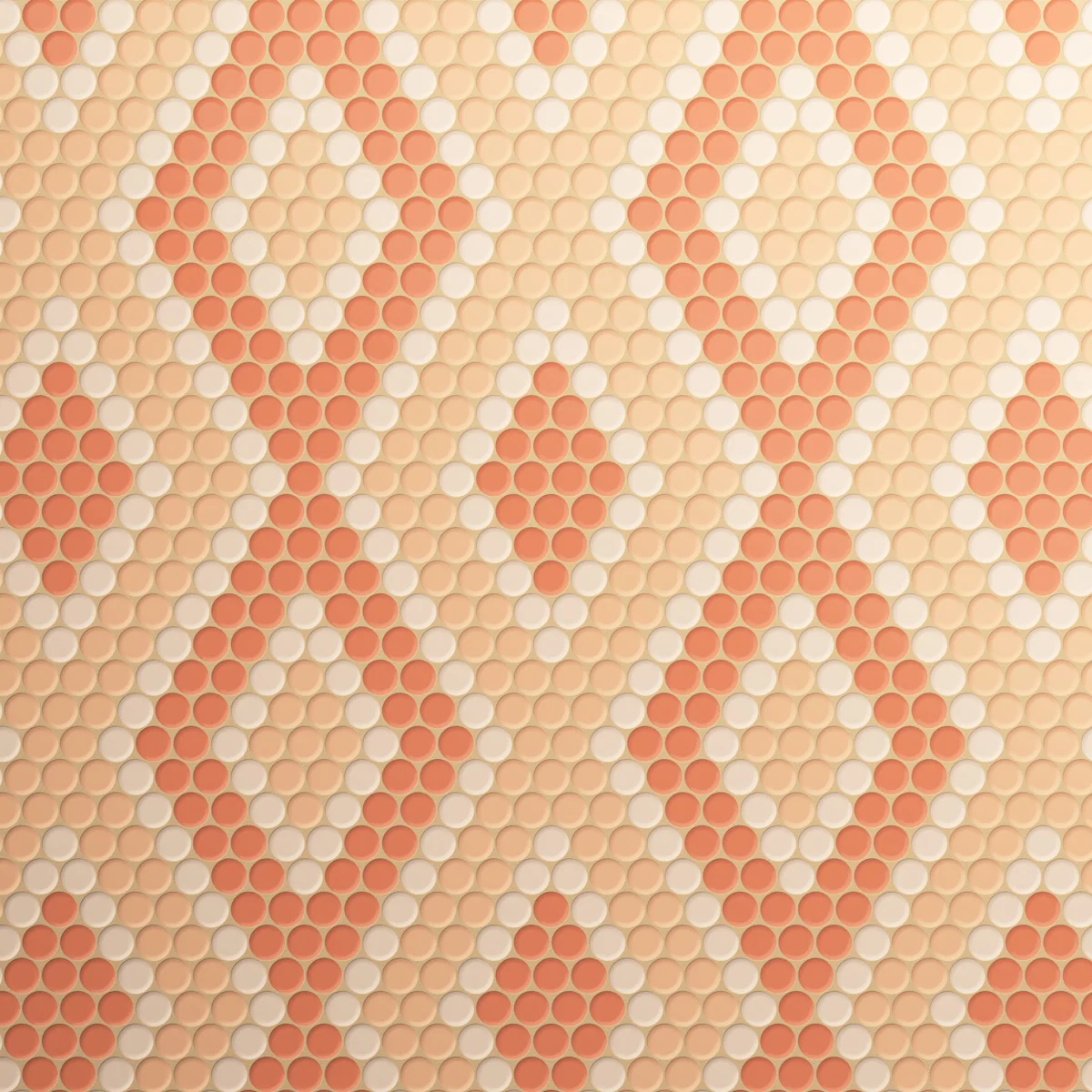
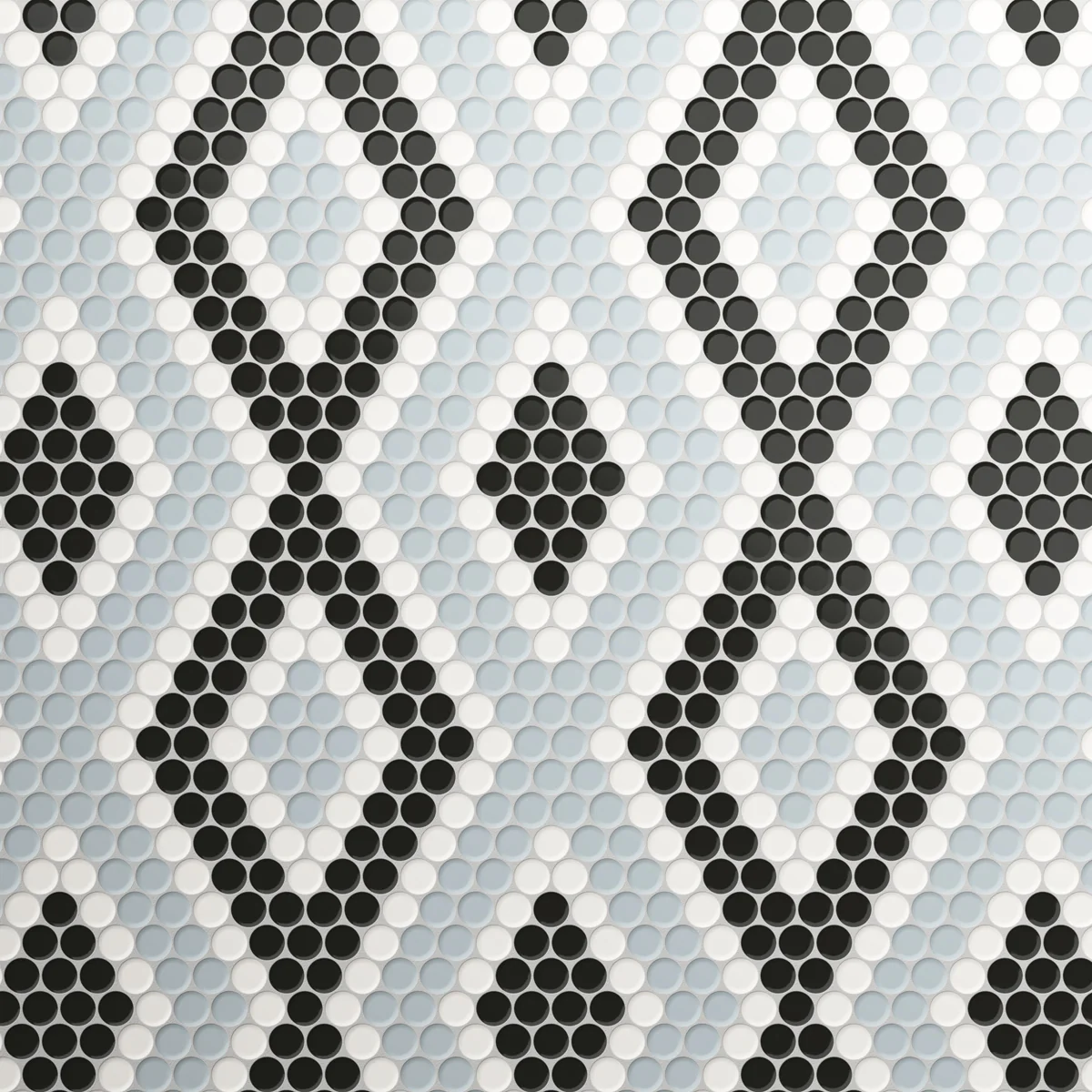
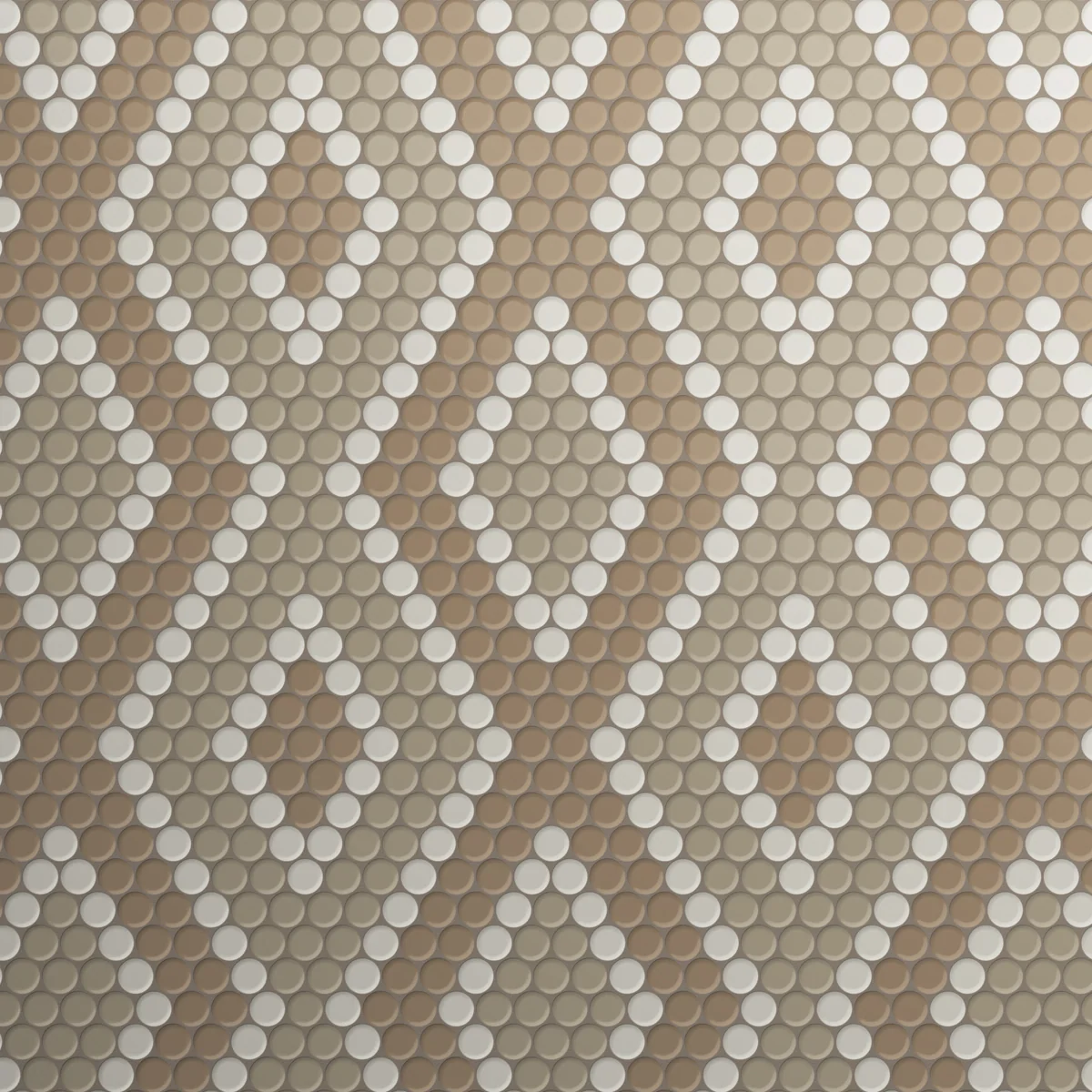
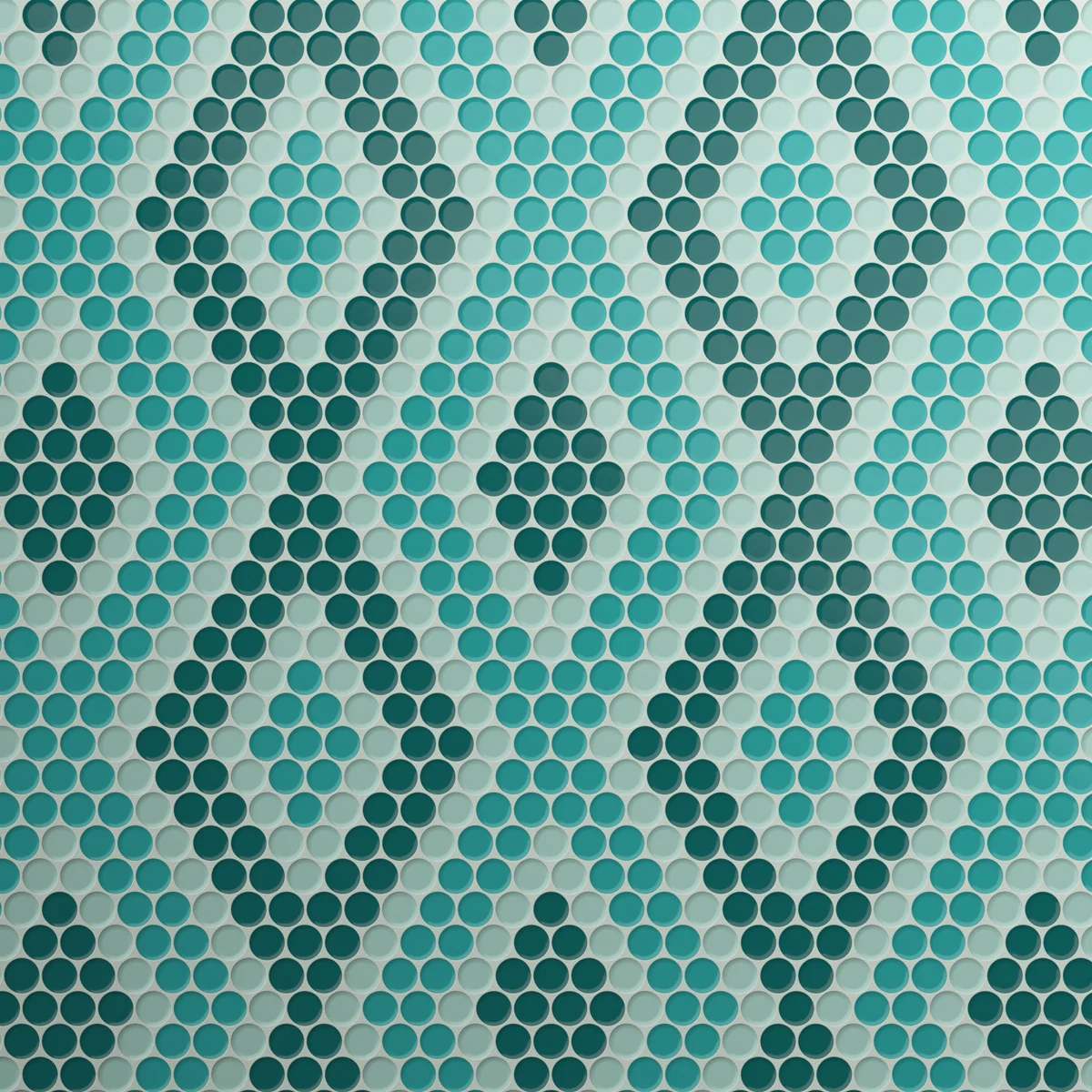
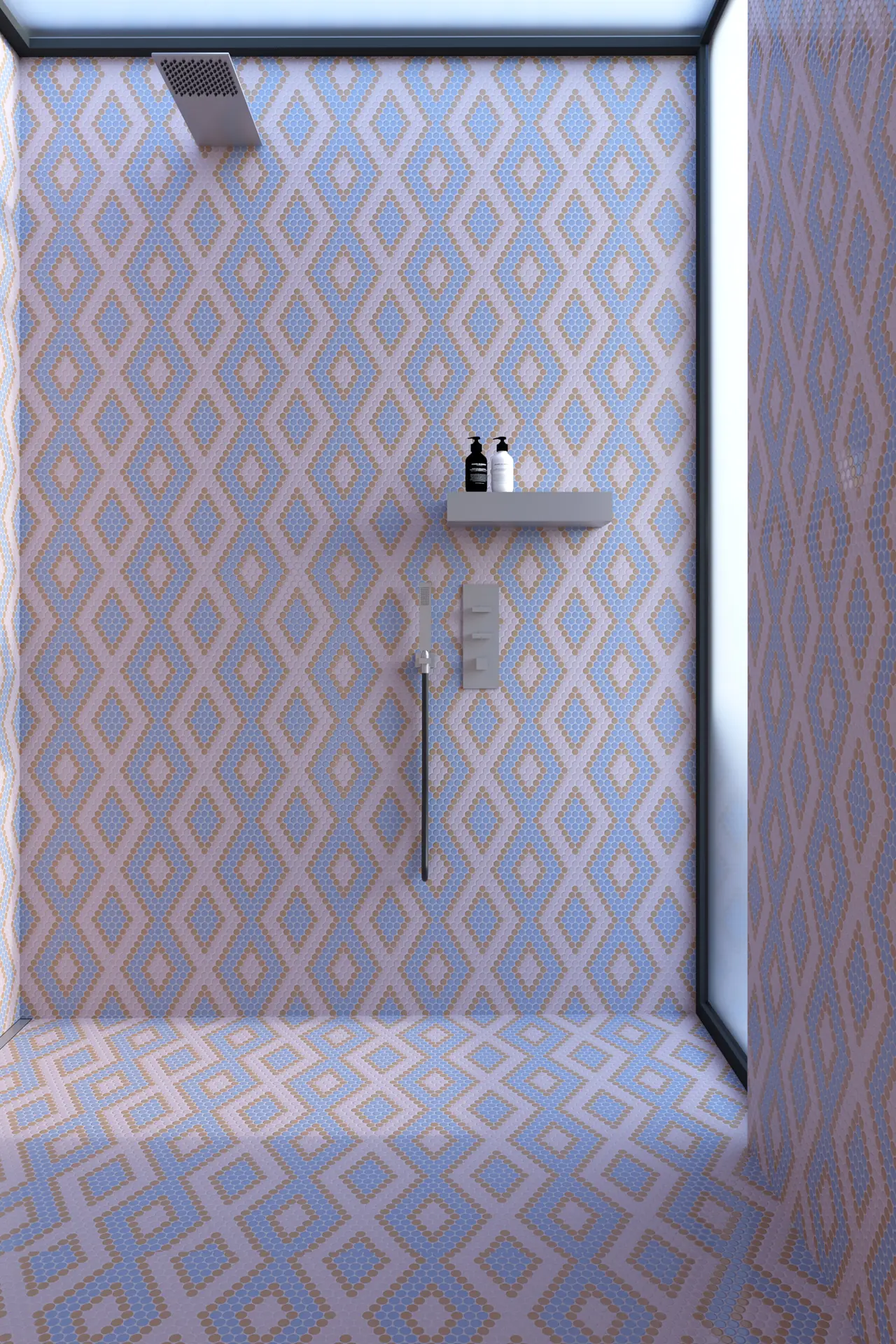
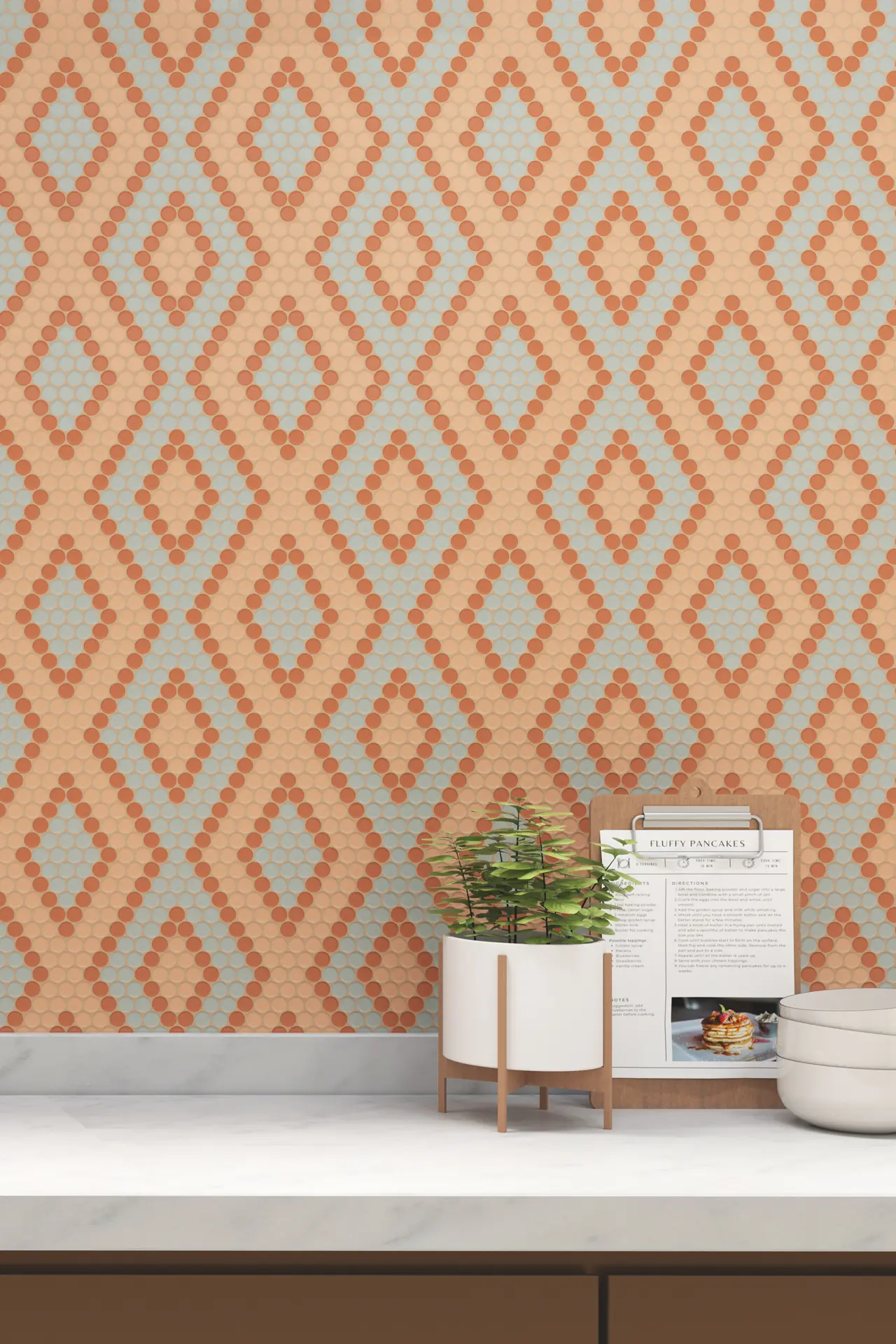
About Diamond Mosaic
Diamond sits naturally between two design traditions. It has the rigour of pure geometry, yet it also carries the familiarity of fabric. That overlap became particularly visible in the knitwear of the 1980s, when diamonds, checks and other geometric motifs were given a new graphic confidence.
Knitting offers an interesting parallel with mosaic. Both build an image from a strict underlying structure, and both can make geometry feel surprisingly expressive. The limitations of the grid become part of the character. A diagonal cannot simply be drawn. It has to be constructed incrementally, giving even a familiar shape its own particular texture.
There is also an idea of expansion within Diamond. A small central form grows outwards through successive boundaries, as though the motif is being enlarged one stage at a time. It suggests the logic of a knitting pattern, where a relatively simple instruction can develop into something much larger through repetition.
That outward progression gives colour an unusually important role. Each change of tone can mark another stage in the expansion. Closely related colours make the transition gentler, while stronger contrasts separate one boundary from the next. The geometry provides the framework, but colour determines how that framework is understood.
Perhaps this is where Diamond moves beyond its 1980s reference. The influence is recognisable without becoming nostalgic. What survives is the graphic confidence of that period and its willingness to treat pattern as an important part of the composition.
Translated into round mosaic, those ideas find a different material expression. Fabric and geometry meet through a shared reliance on repetition, while the expanding motif turns a familiar diamond into something with a sense of growth.
Availability and Sales enquiries to Tessere Mosaico
Burano 20mm Round Mosaic