
Ikat
The Colours
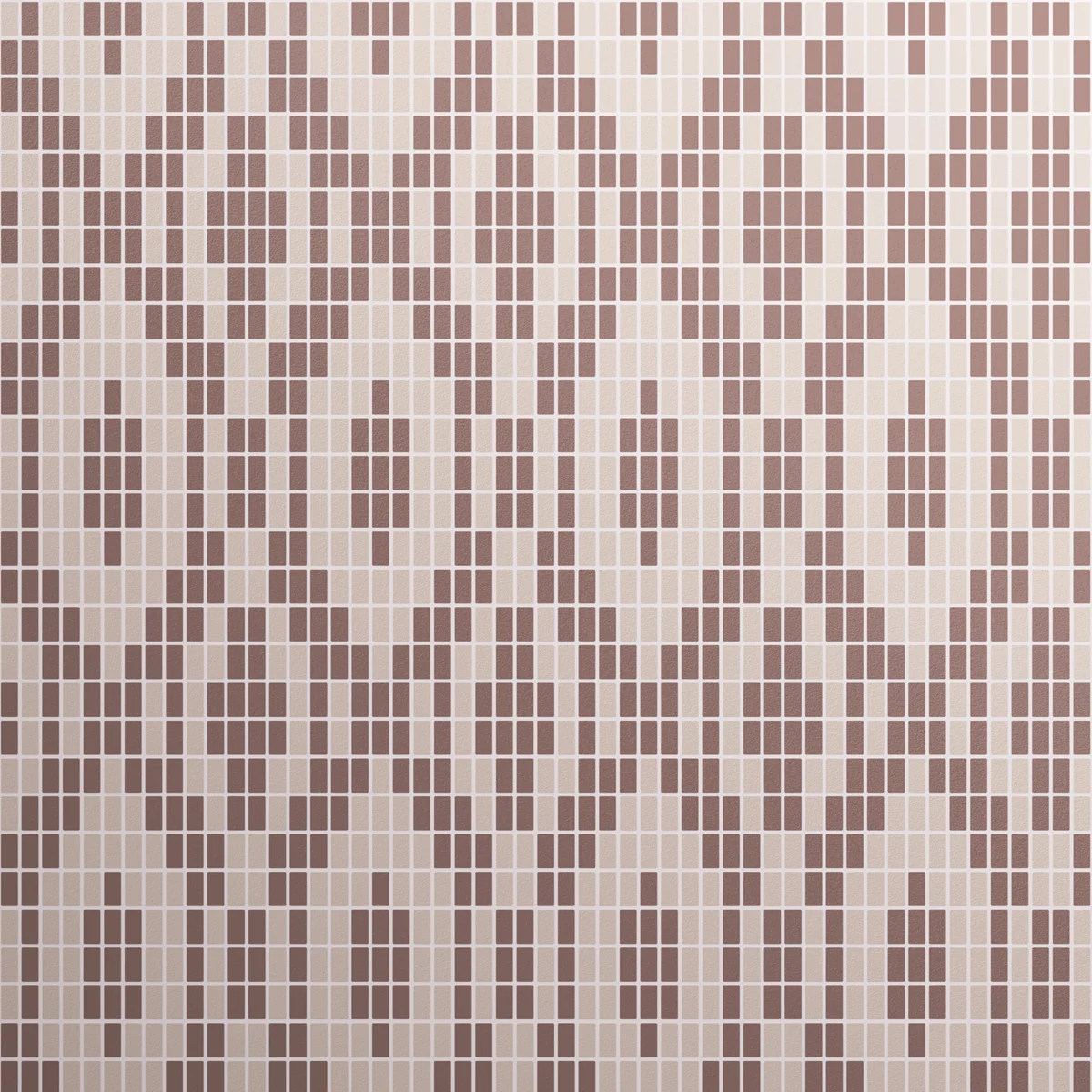
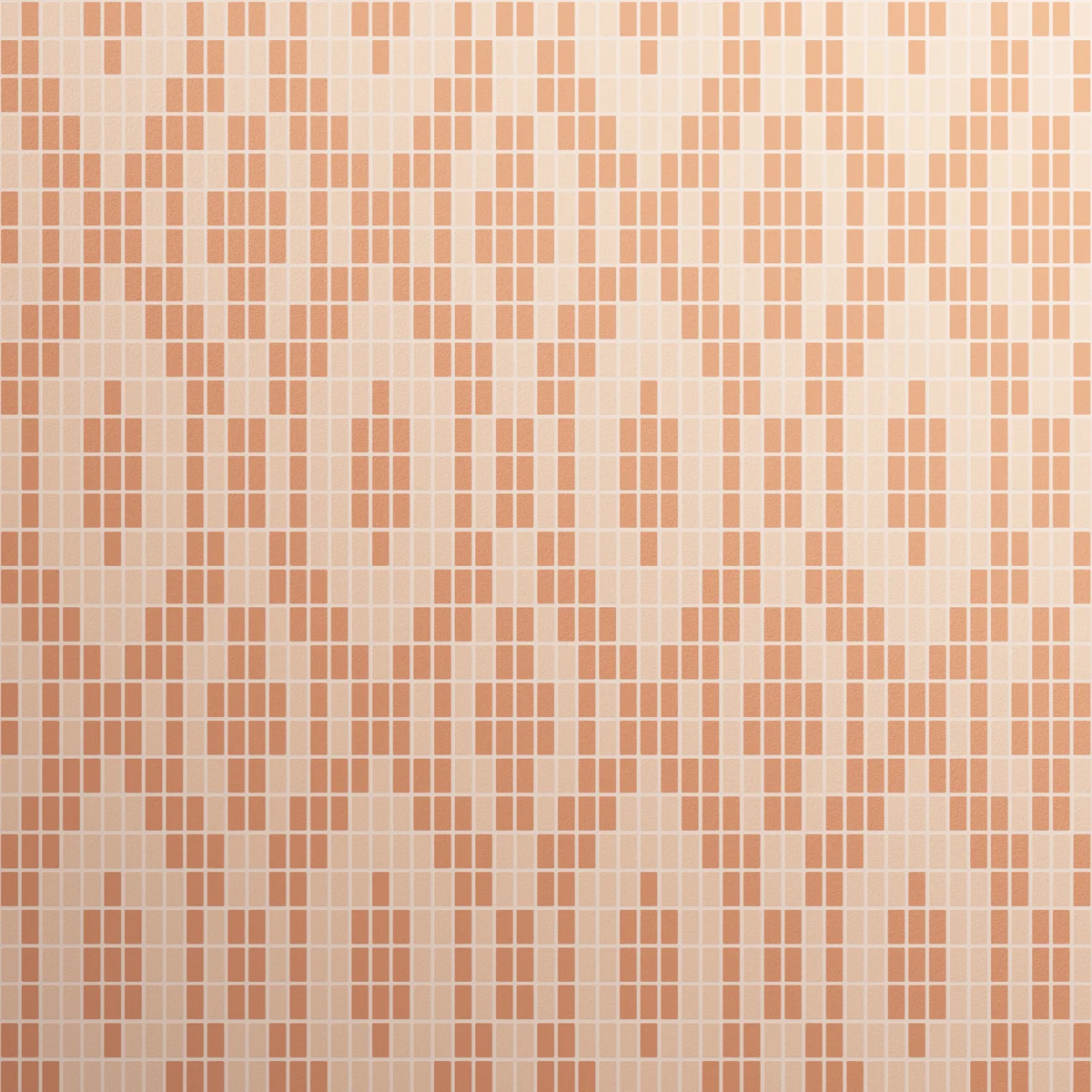
About Ikat Mosaic
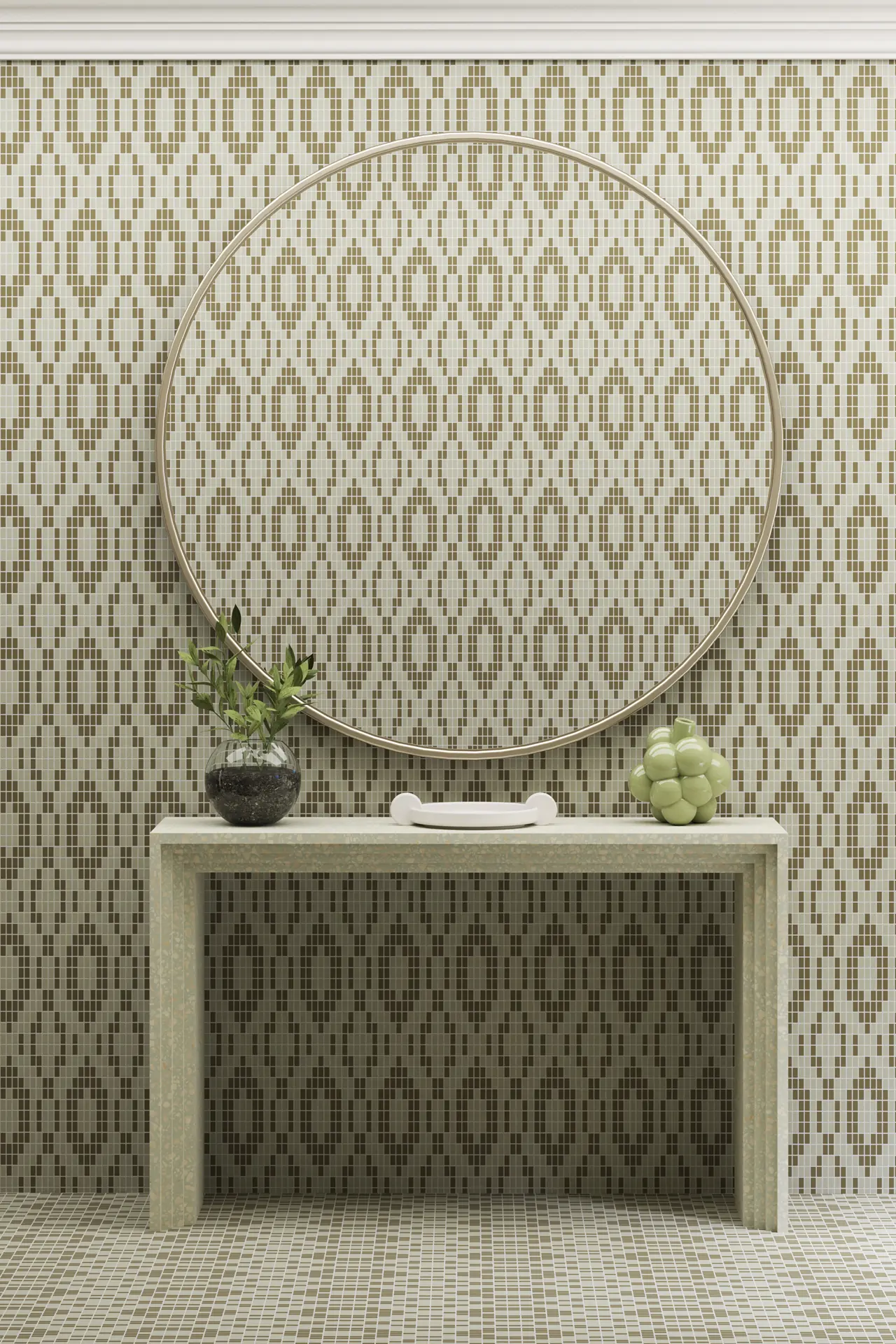
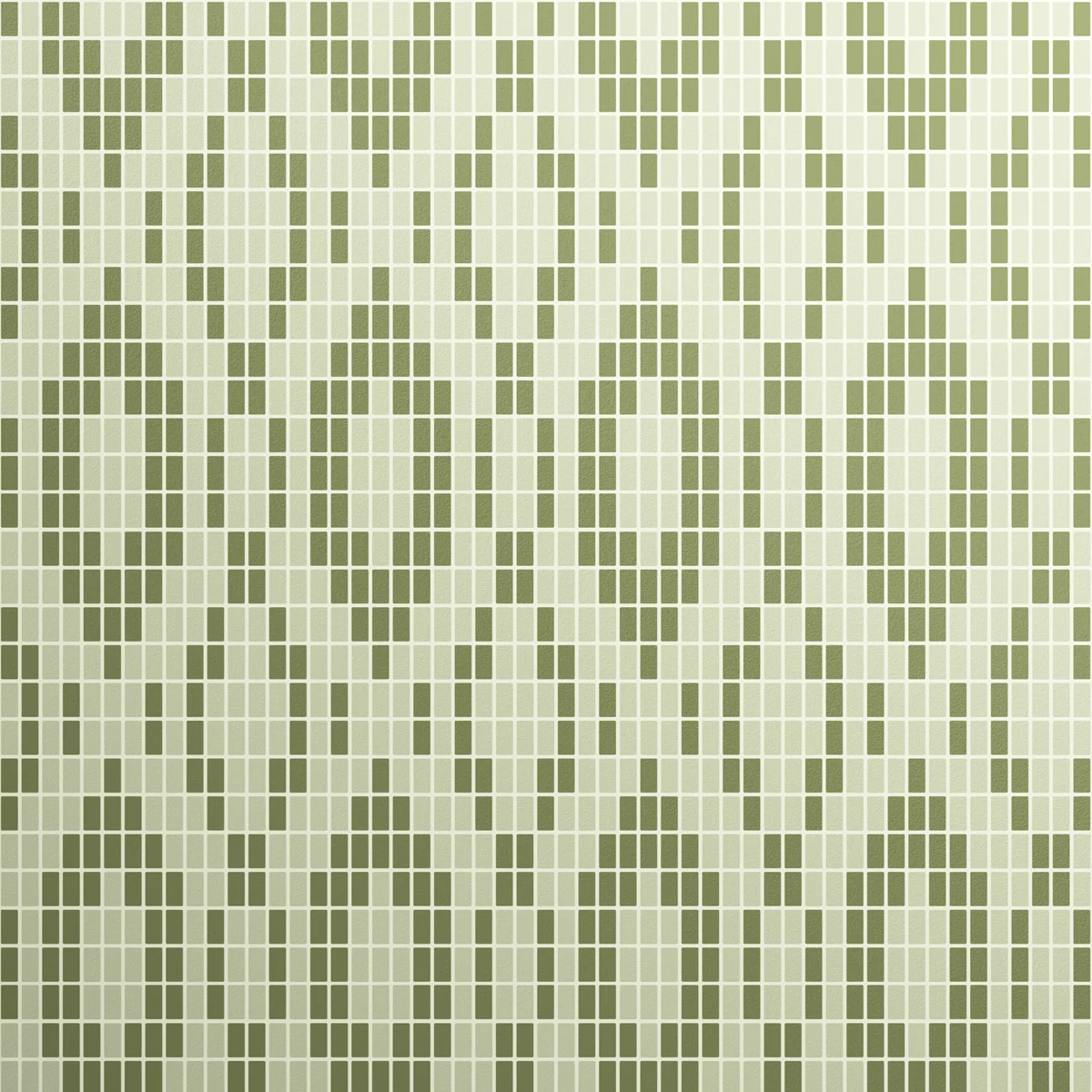
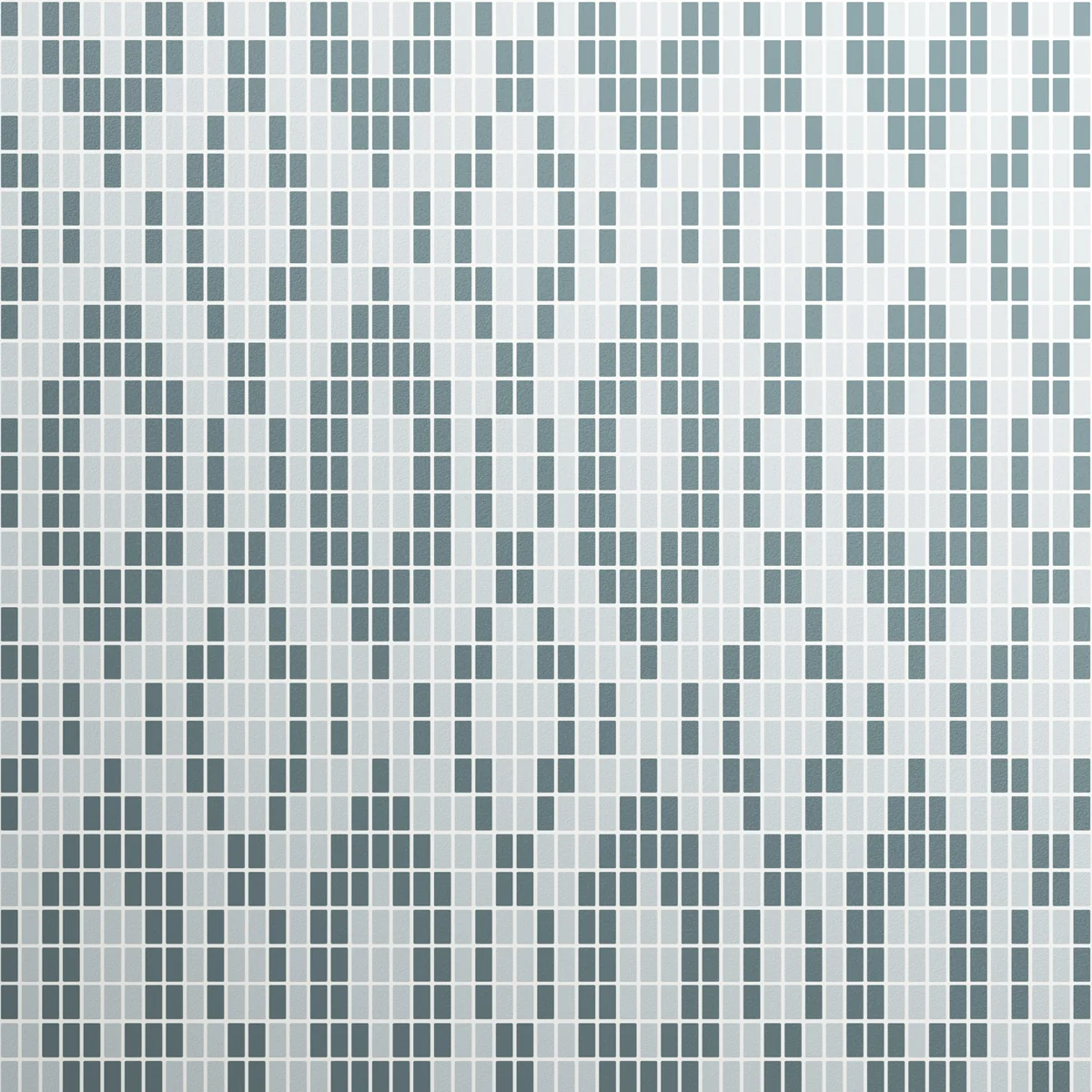
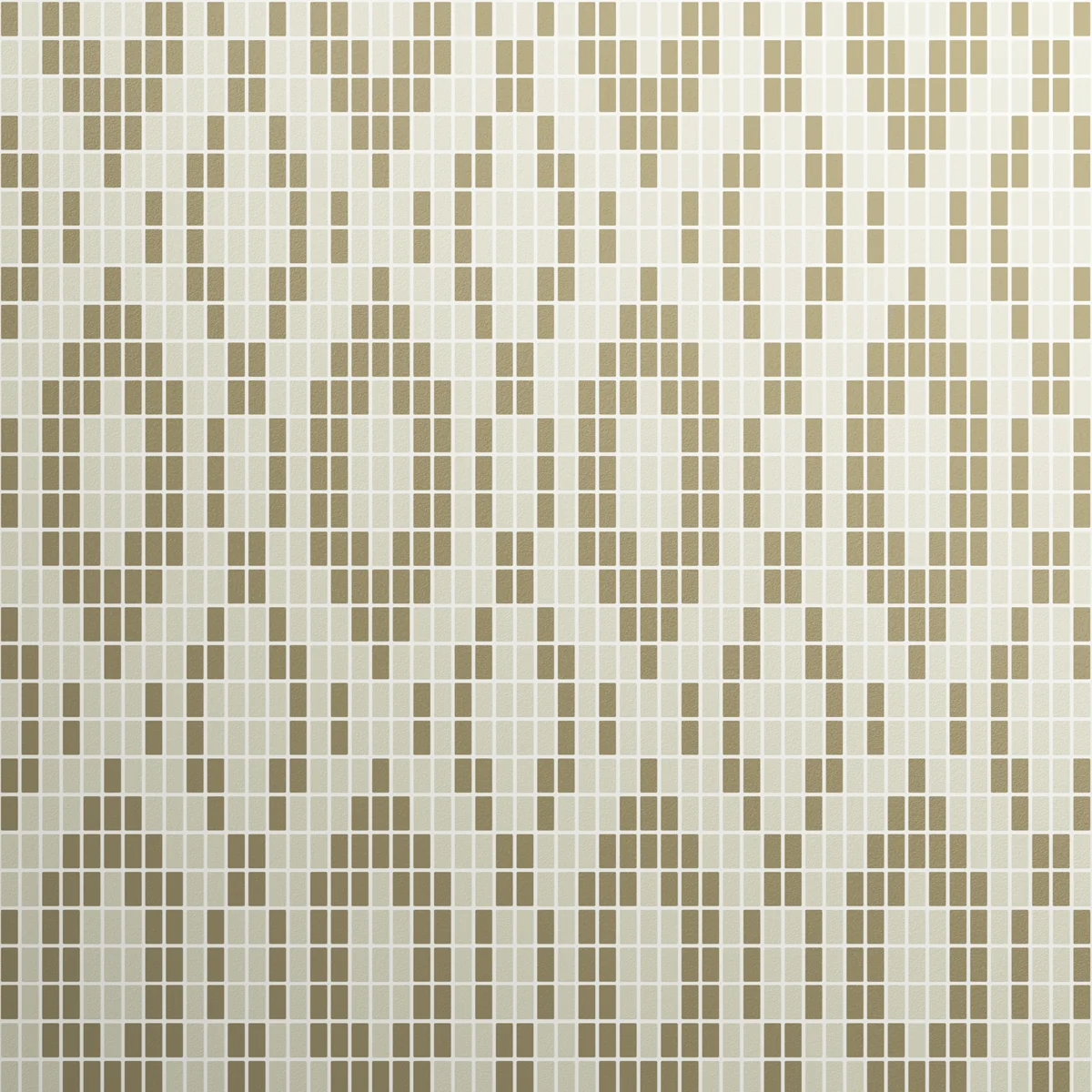
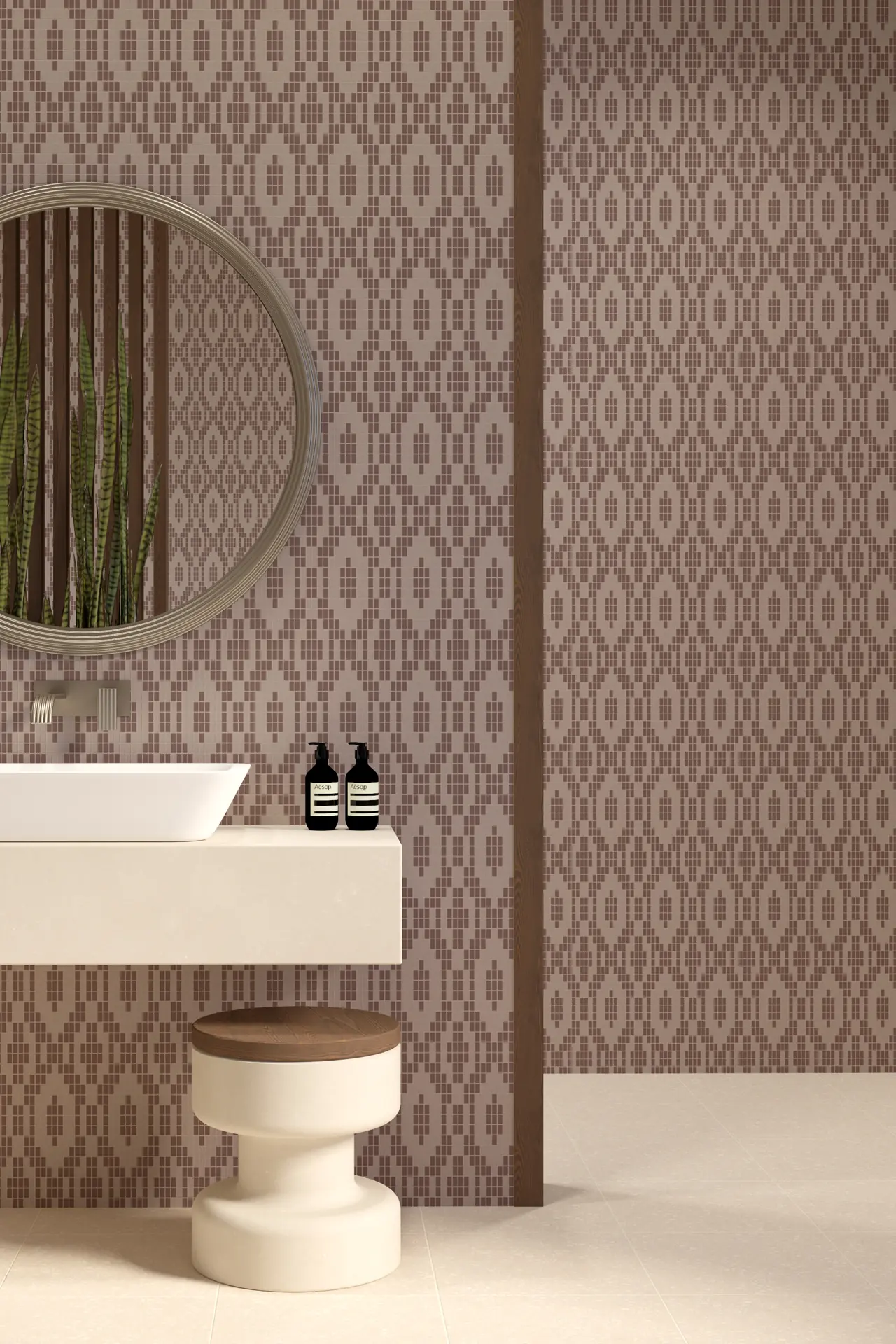
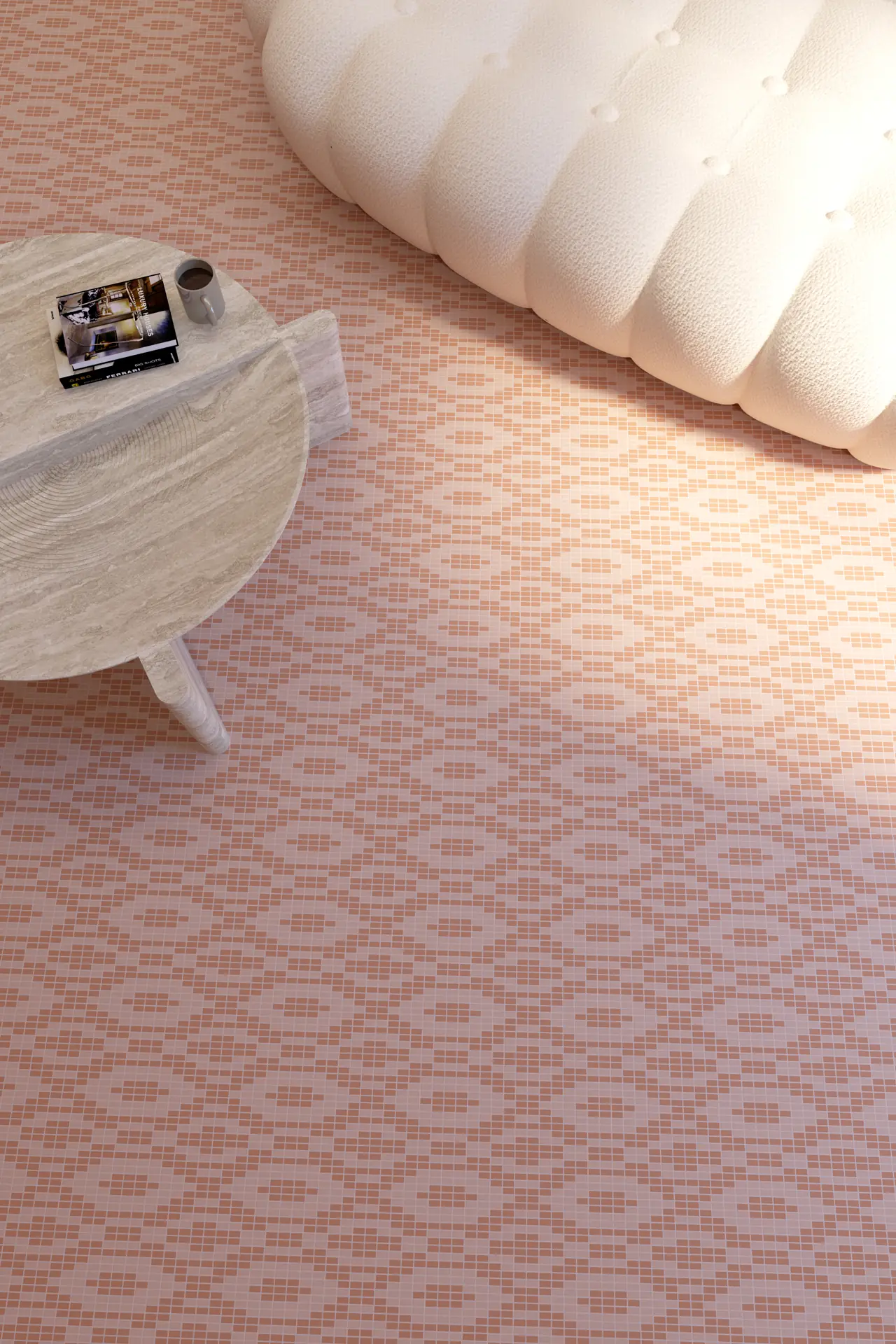
Ikat comes from the language of woven cloth, where pattern develops through the structure of the textile itself. Translating that idea into mosaic felt particularly natural because the elongated 20 × 10 mm pieces already share something with a stitch.
Traditional ikat has a looseness that comes from its method of making. Threads are dyed before weaving, so edges rarely feel mechanically perfect. Shapes emerge with a slight softness that has become part of the textile’s identity. Recreating that character in glass means resisting the temptation to make everything too precise.
The rectangular Milano format helps. Each piece becomes a small mark within the composition, much like a thread within a weave. Together, they build larger motifs while allowing the grid of the mosaic to remain visible. The material never pretends to be fabric. Instead, it borrows its visual language and translates it into something quite different.
There is also something pleasing about using an industrially produced rectangular piece to reference a tradition associated with cloth and handwork. The two belong to very different ways of making, yet pattern provides a common ground between them.
Ikat is therefore less about reproducing a textile than remembering one. The elongated pieces suggest threads, the repeat suggests weaving, and the glass gives the idea an entirely new material life.
Availability and Sales enquiries to Tessere Mosaico
Milano 20x10mm Mosaic
