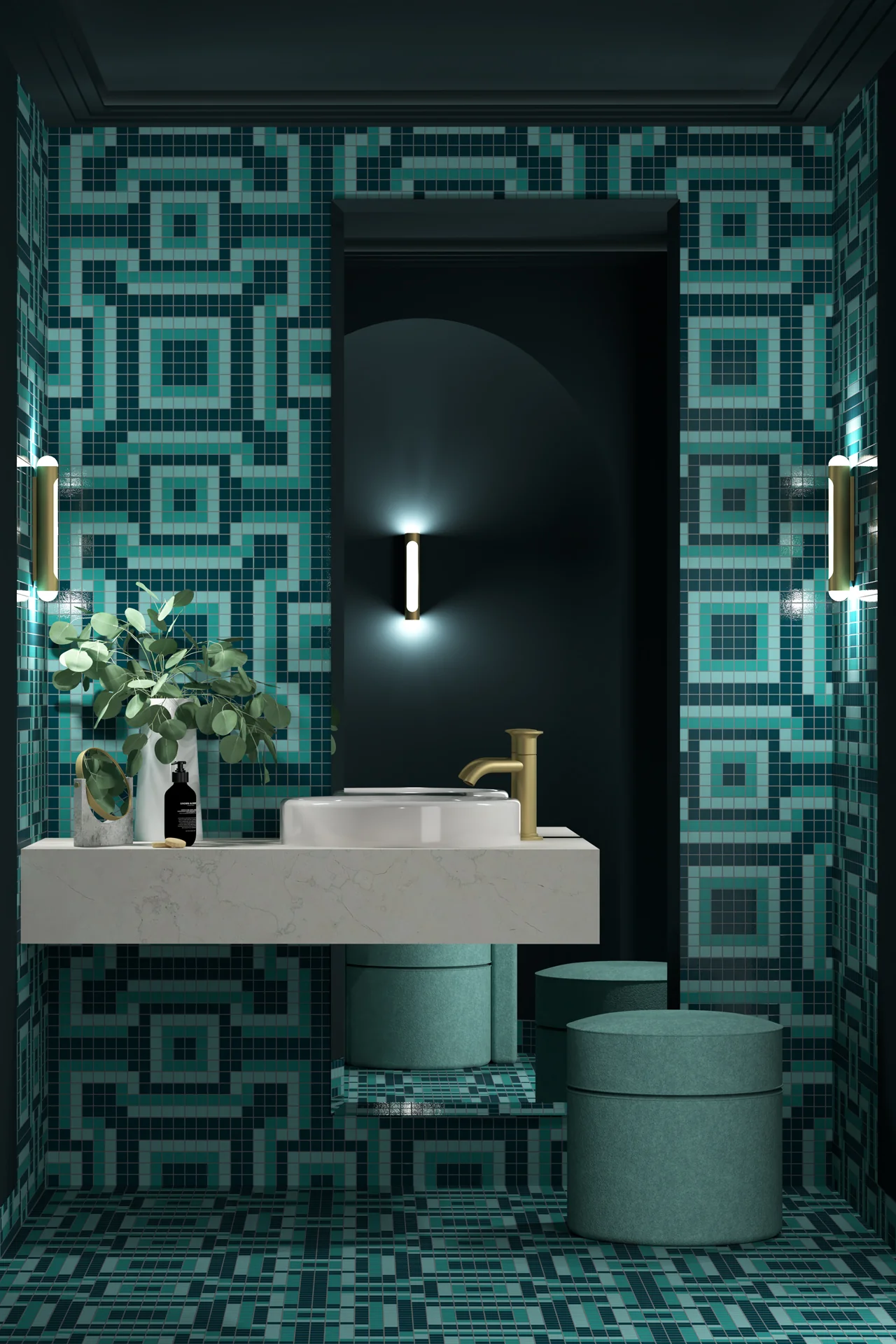

Loop
The Colours
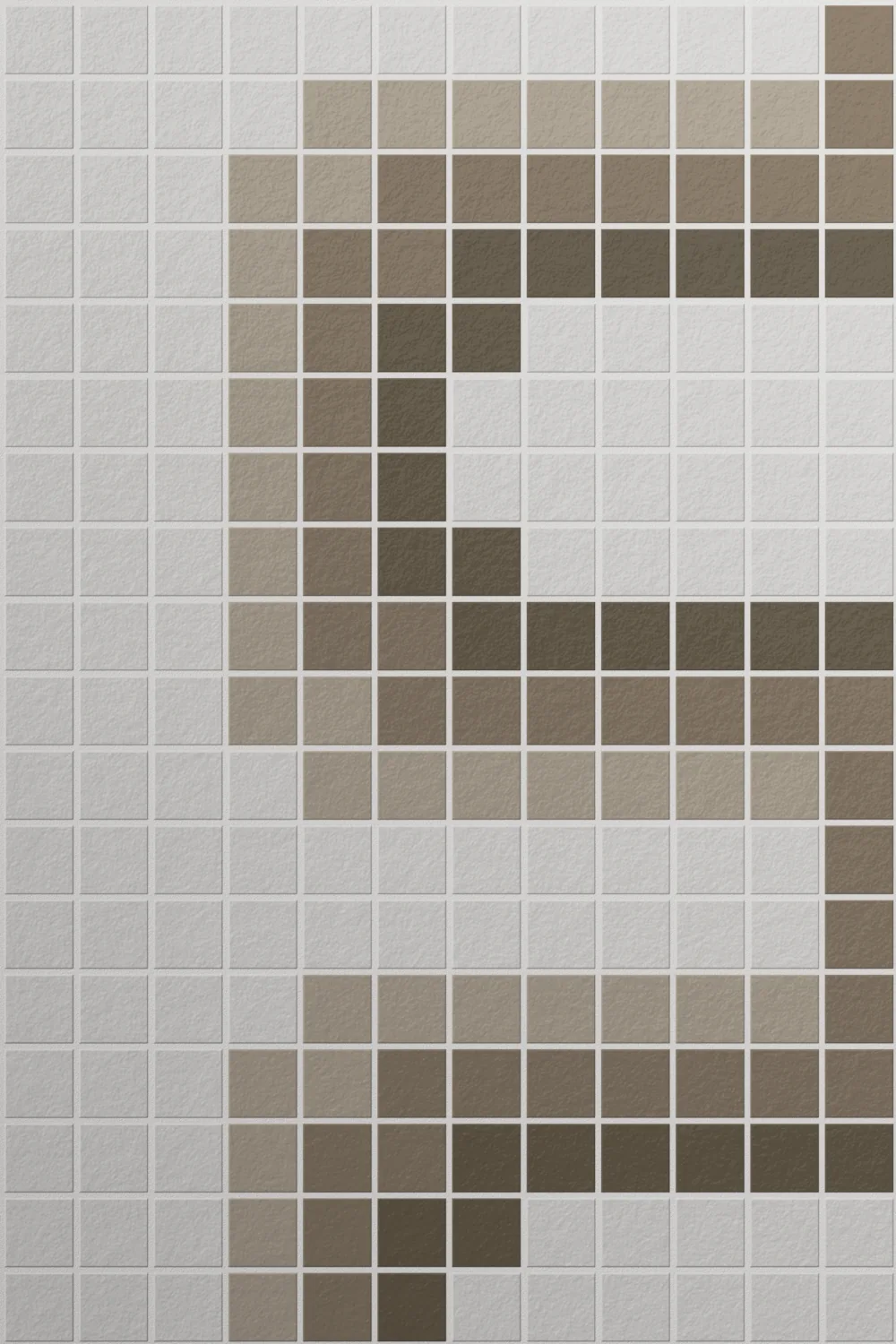
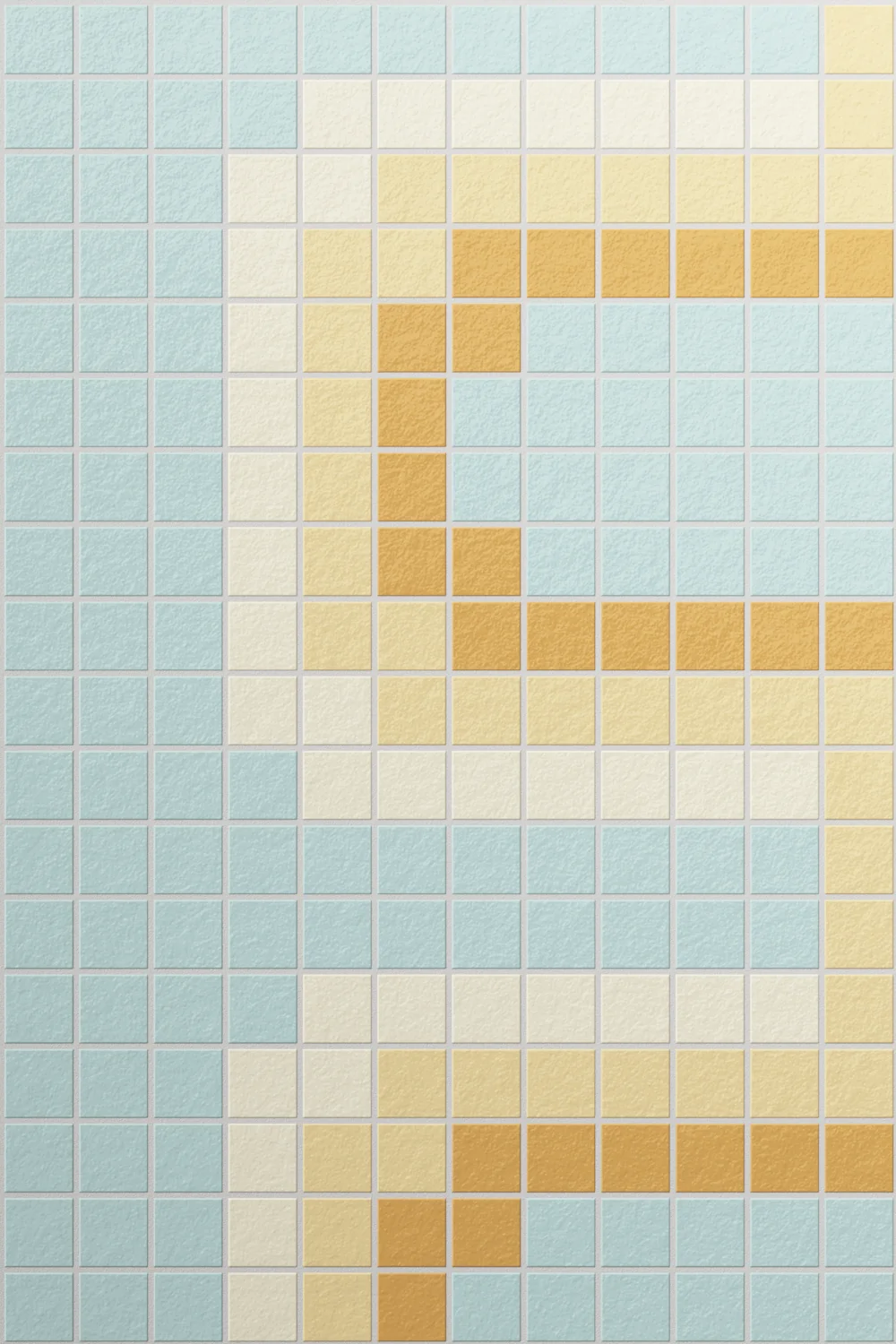
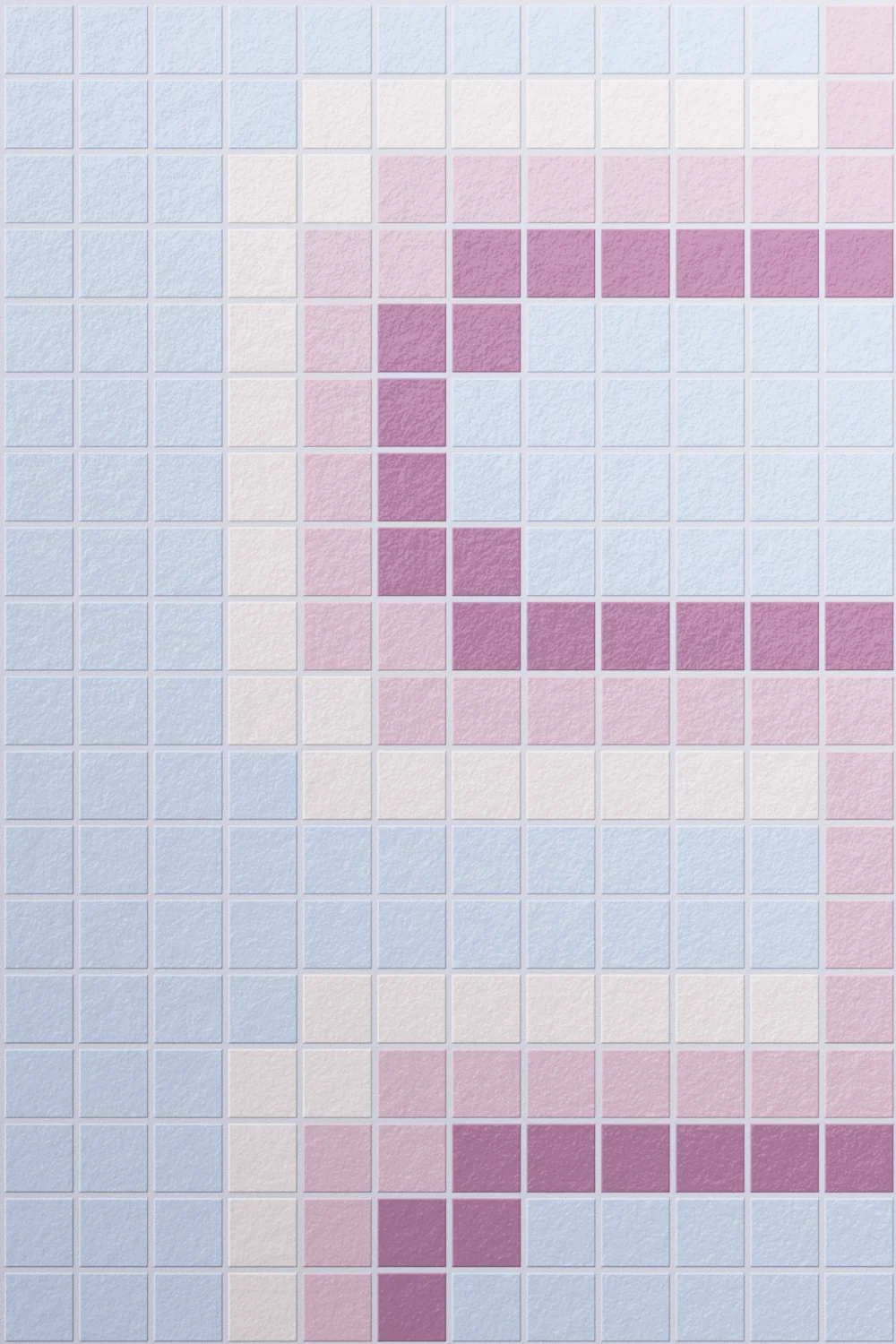


About Loop Mosaic
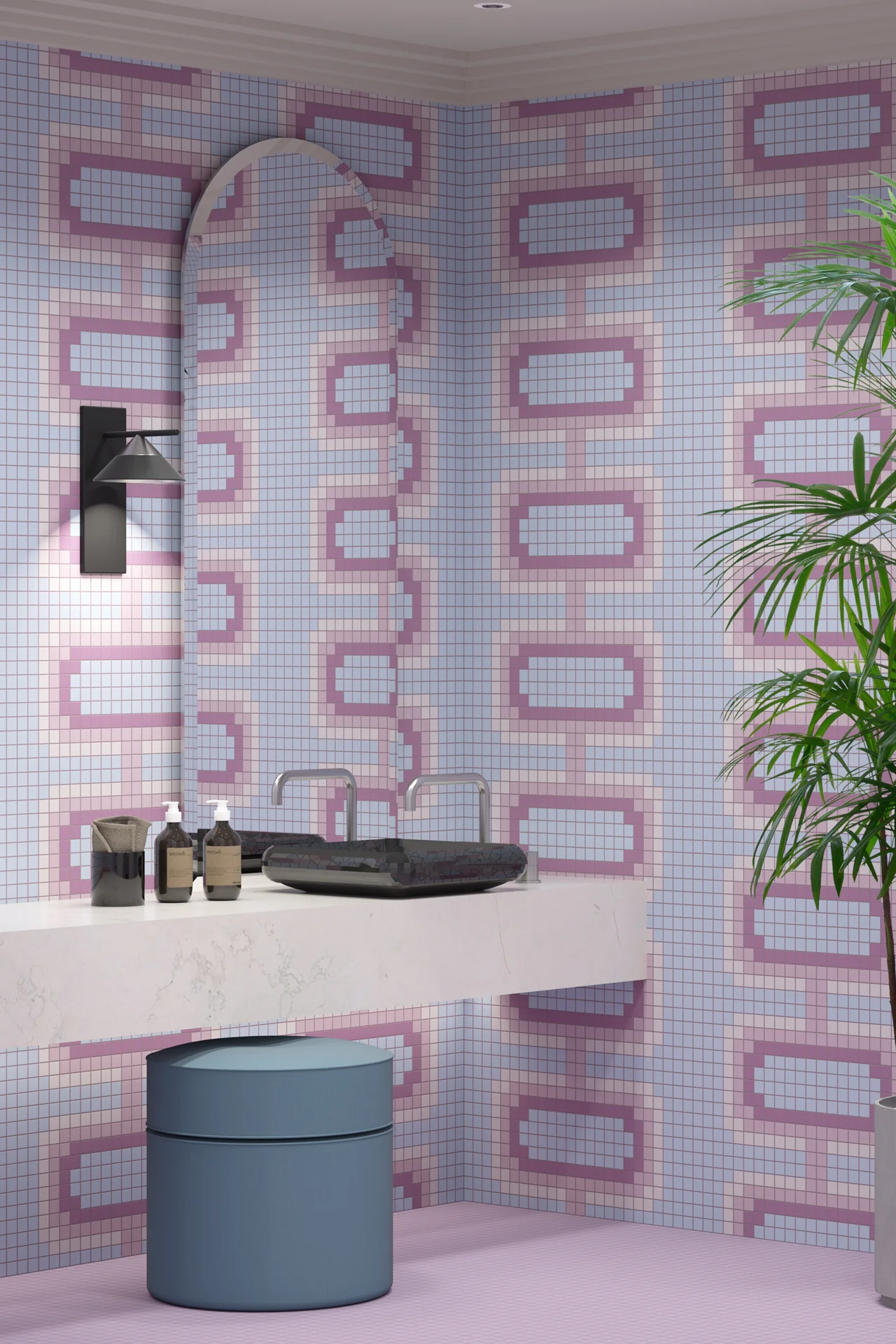
Loop owes much to the confidence of 1970s pattern. It was a period when decoration was allowed to occupy space. Motifs became larger, colour combinations became more adventurous, and repetition was often deliberately obvious. Pattern did not politely disappear into the background. It became part of the personality of an interior.
Designers such as Verner Panton embraced this change in scale across textiles and interiors. Emilio Pucci approached pattern from fashion, using colour and repetition with an equally uninhibited spirit. Their work differed enormously, yet both understood the impact of enlarging a motif. Scale could transform something decorative into something immersive.
Loop draws from that attitude rather than any particular historic design. Its oversized repeat reflects a moment when graphics escaped the confines of small-scale ornament. Wallpaper, upholstery, rugs and textiles carried motifs large enough to alter our perception of the surfaces they covered.
That sense of scale becomes particularly pronounced in mosaic. We tend to associate tesserae with intricate detail, yet their small size can equally become the building blocks for something much larger. The individual pieces become almost incidental as the motif takes over.
Loop celebrates that change of perspective. Its connection to the 1970s lies less in nostalgia than in the decade’s willingness to be generous with pattern. There is pleasure in allowing a graphic idea enough room to make itself known, rather than continually asking decoration to behave itself.
Availability and Sales enquiries to Tessere Mosaico
Milano 23mm Mosaic