Overlap
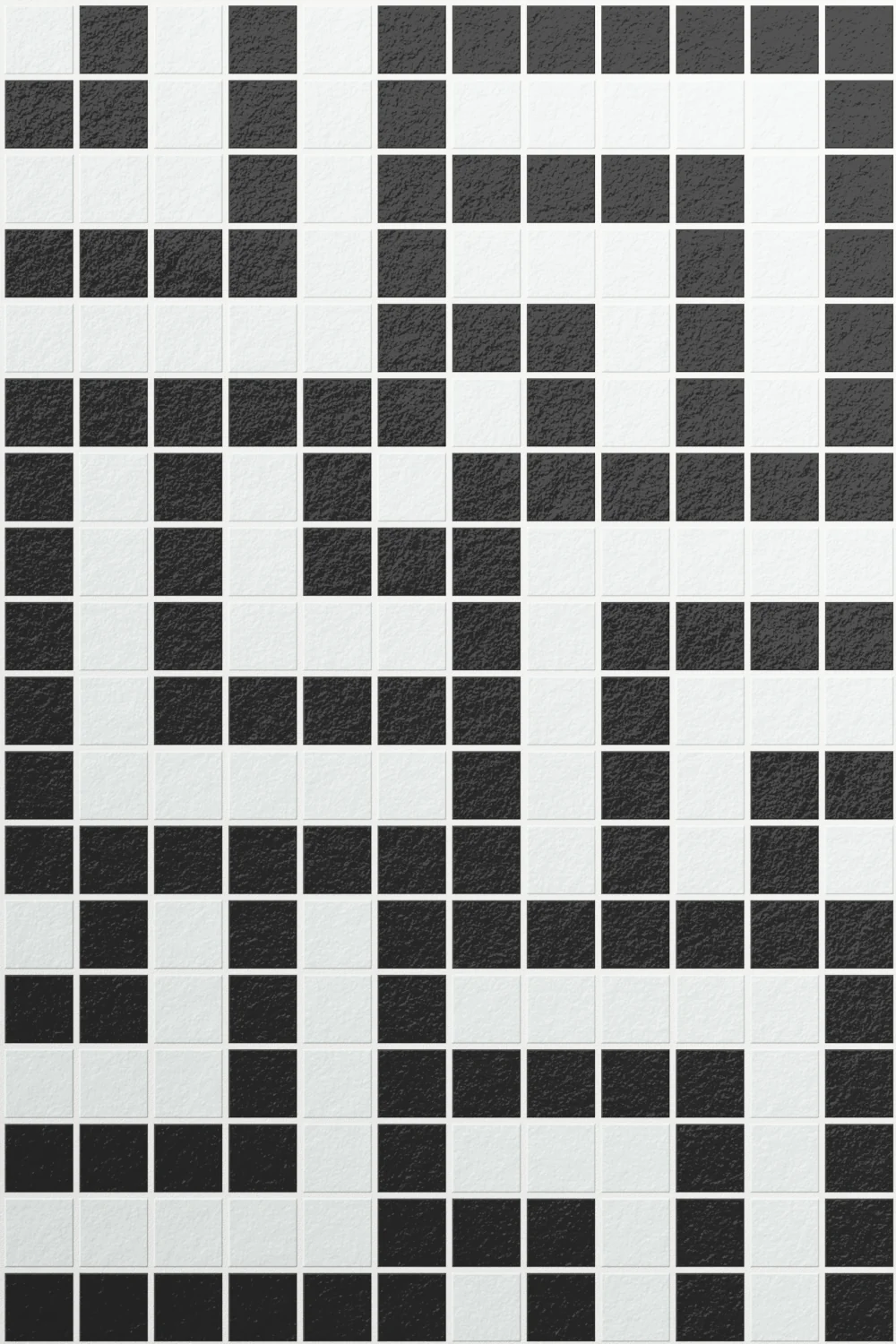
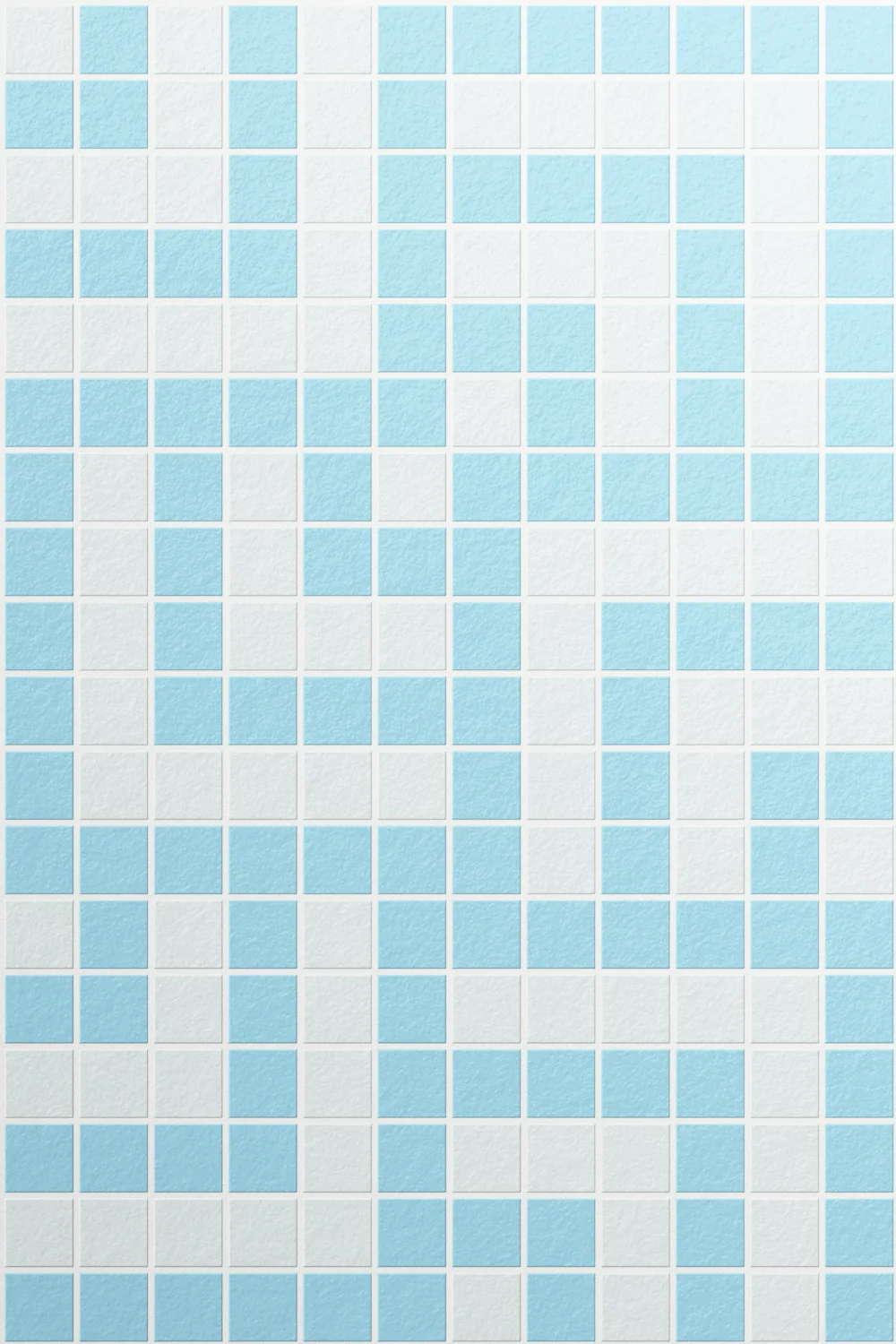
The Colours
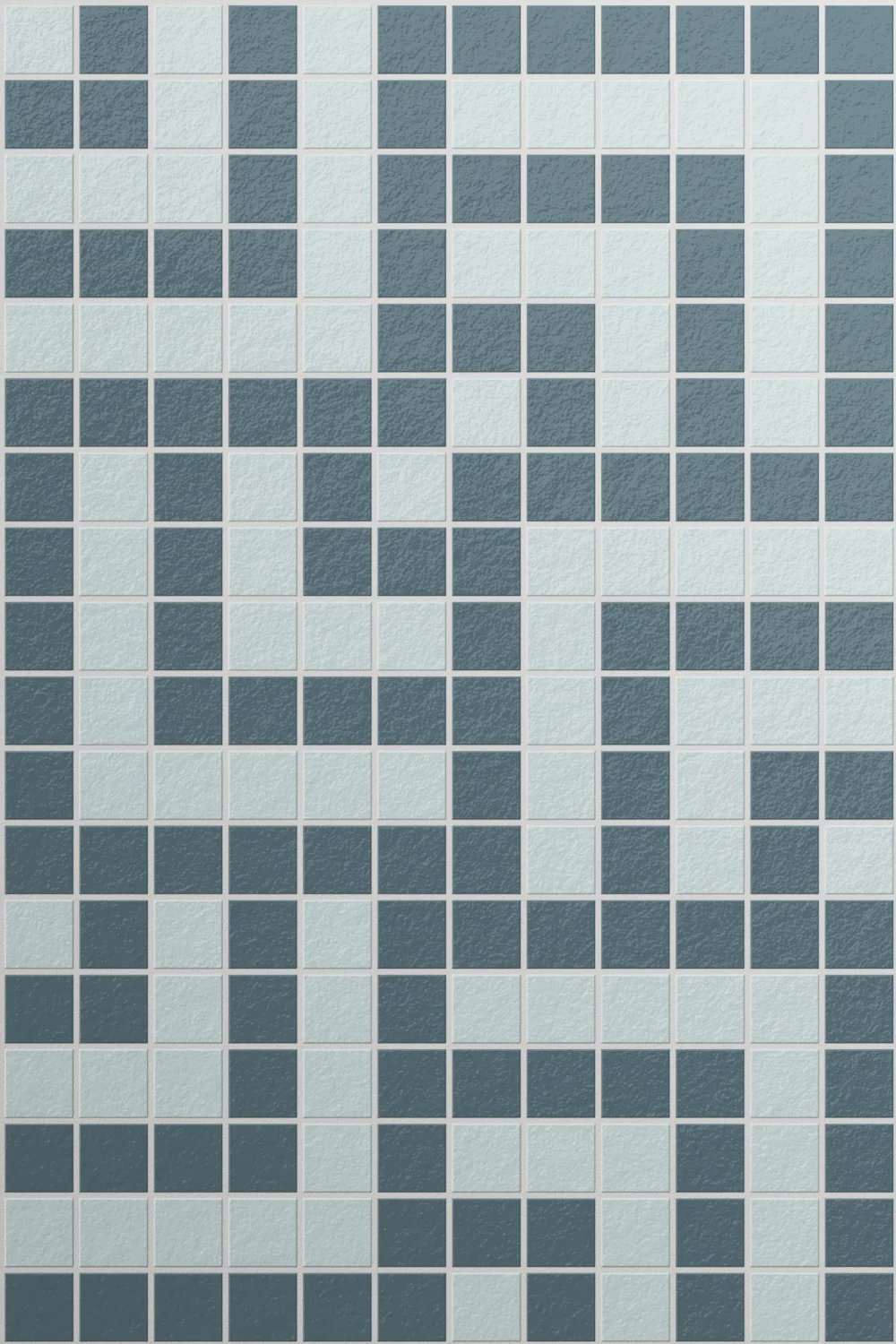
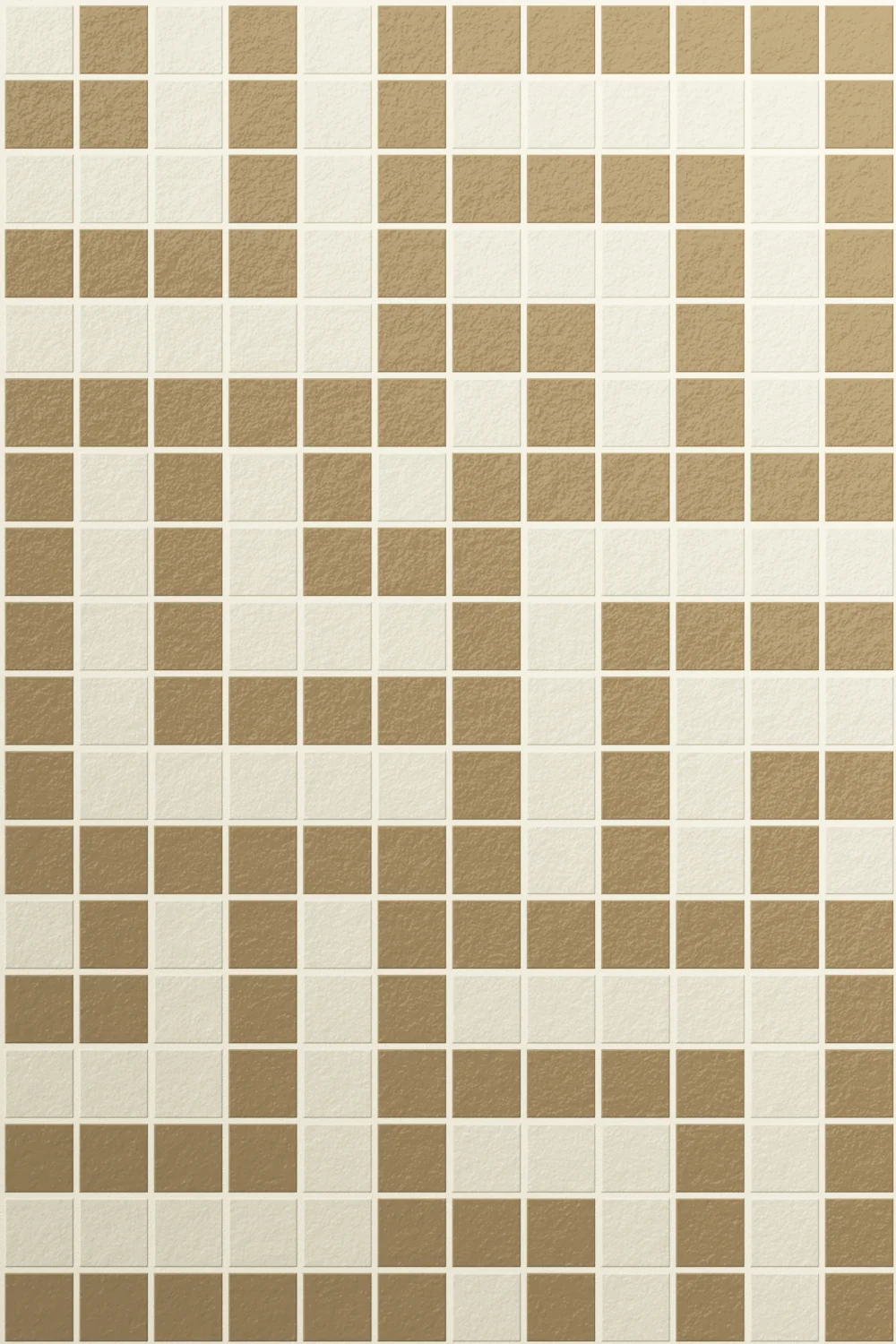
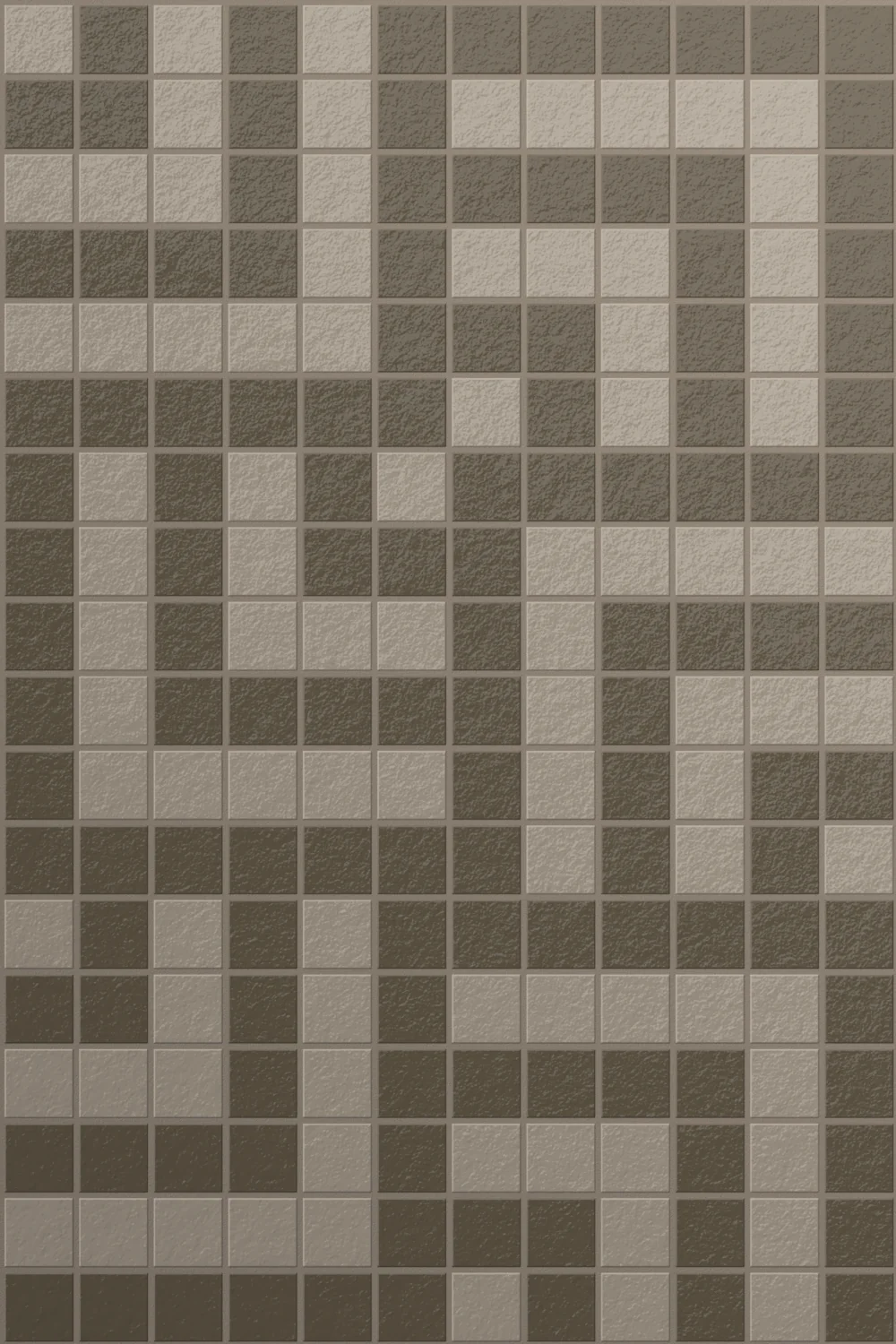
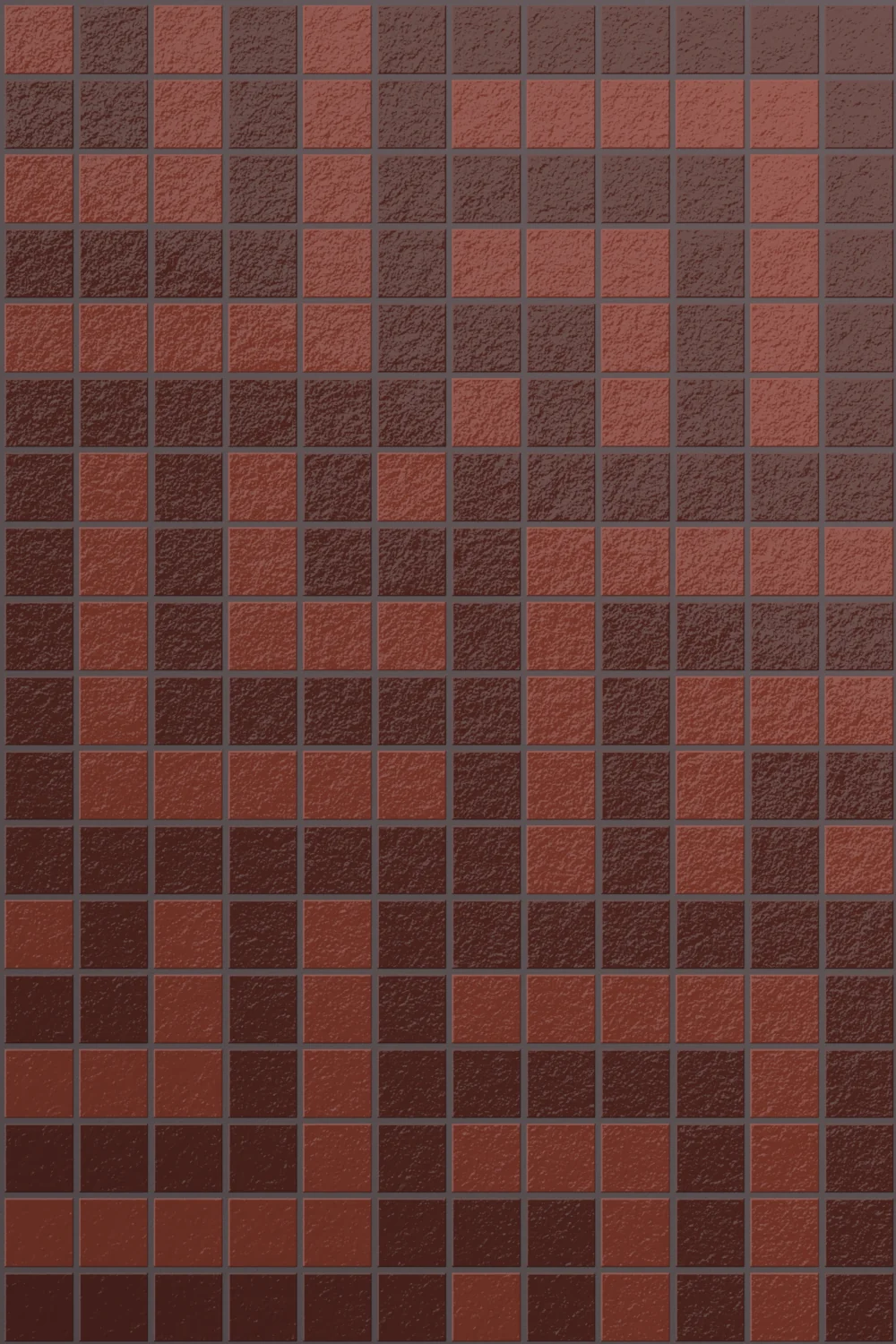

About Overlap Mosaic
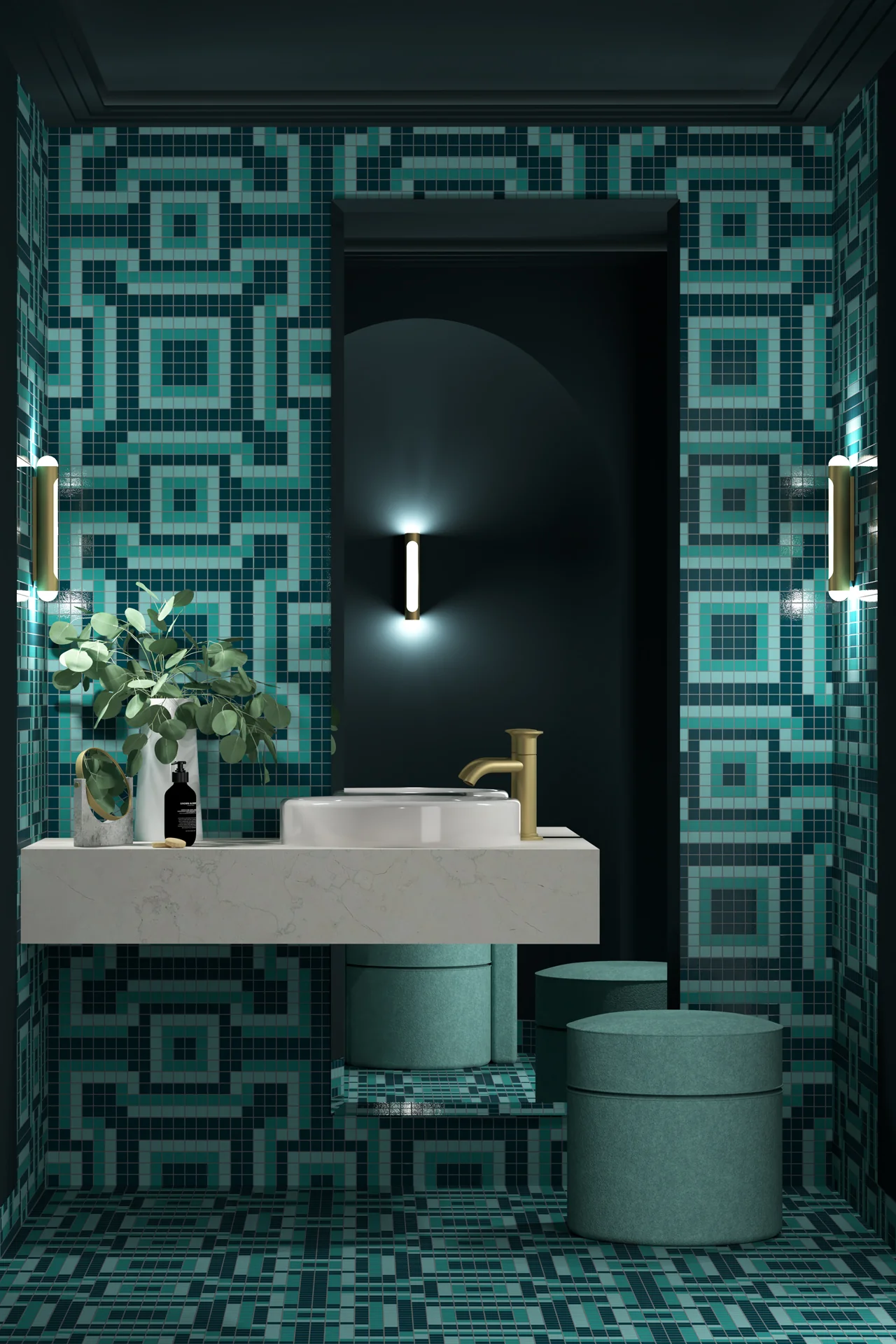
Overlap plays with one of the simplest tricks in visual perception. Place one form across another and the eye immediately invents depth. Nothing has physically moved forward or backwards, yet a flat surface suddenly appears to have layers.
That illusion became fertile territory for mid-century Op Art. Artists explored how repetition, contrast and geometry could unsettle our understanding of a surface. Pattern stopped being something that simply occupied a plane. It could make that plane appear to shift, project or recede.
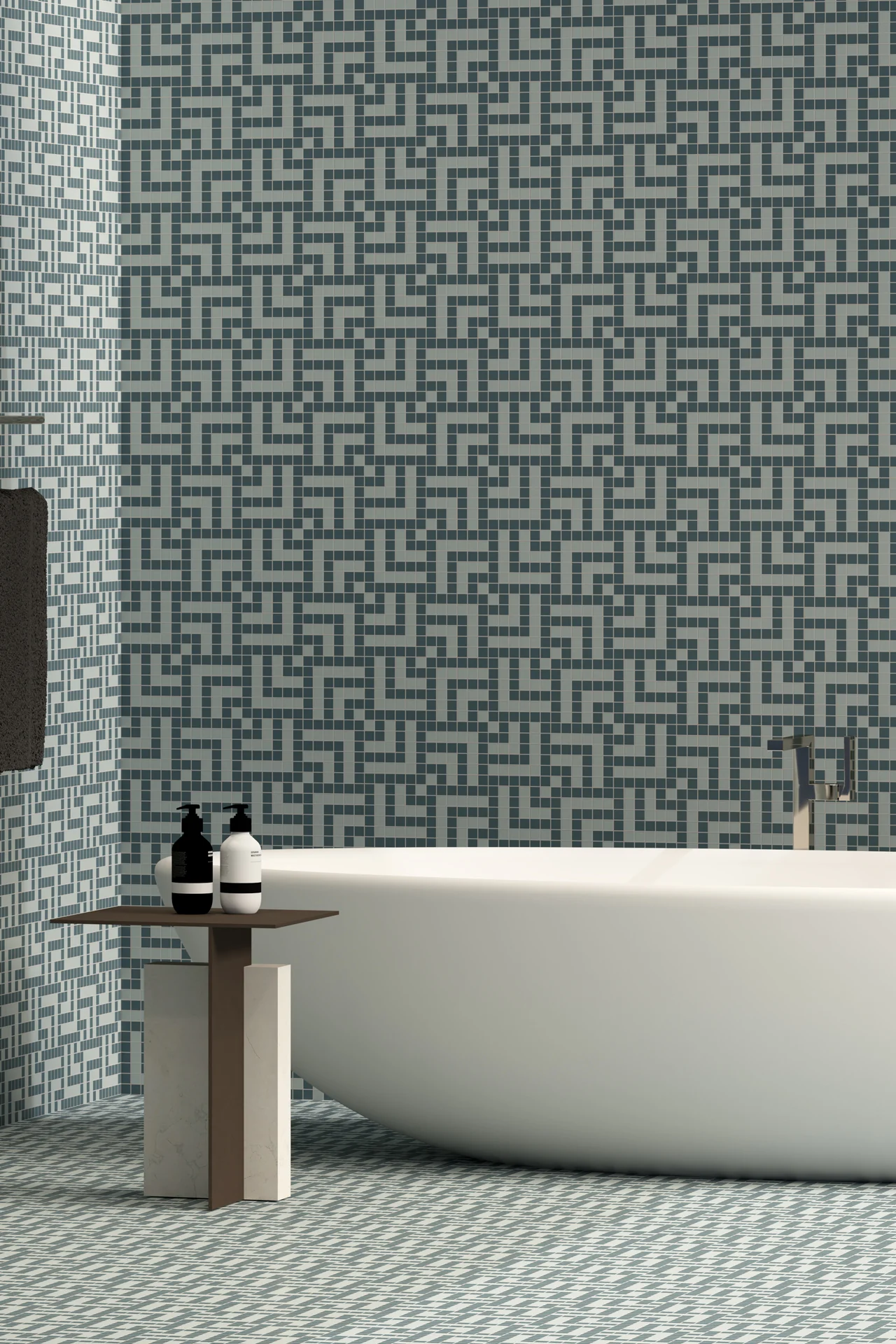
Overlap takes pleasure in the same visual ambiguity. Its repeat is deliberately straightforward, allowing the complexity to arrive through accumulation. Each new connection seems to introduce another level. Follow one route and it appears to sit above its neighbour. Follow another and that relationship changes. The hierarchy never quite settles.
There is a satisfying contradiction here. Mosaic depends upon a strict physical grid, yet the pattern persuades us to see something beyond it. The individual pieces remain fixed on a single plane while the composition suggests a space extending behind them.
This is where Op Art still feels remarkably fresh. Its effects rely on perception rather than ornament, asking the eye to complete something that does not physically exist. Overlap uses that idea with restraint. A simple repeat becomes a visual puzzle, building interlocking layer upon interlocking layer from little more than geometry and the willingness of the eye to be deceived.
Availability and Sales enquiries to Tessere Mosaico
Milano 23mm Mosaic