
Tapi
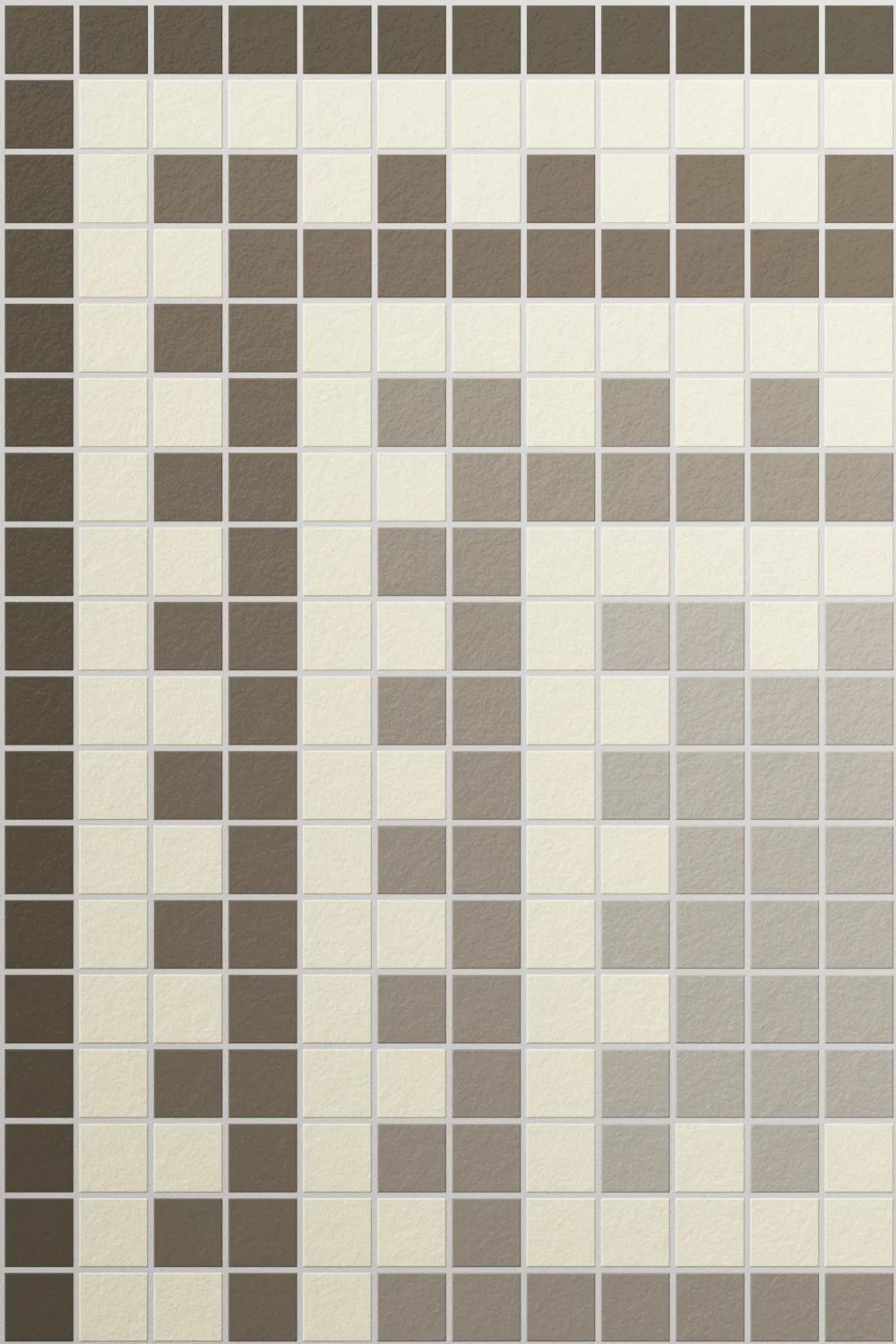
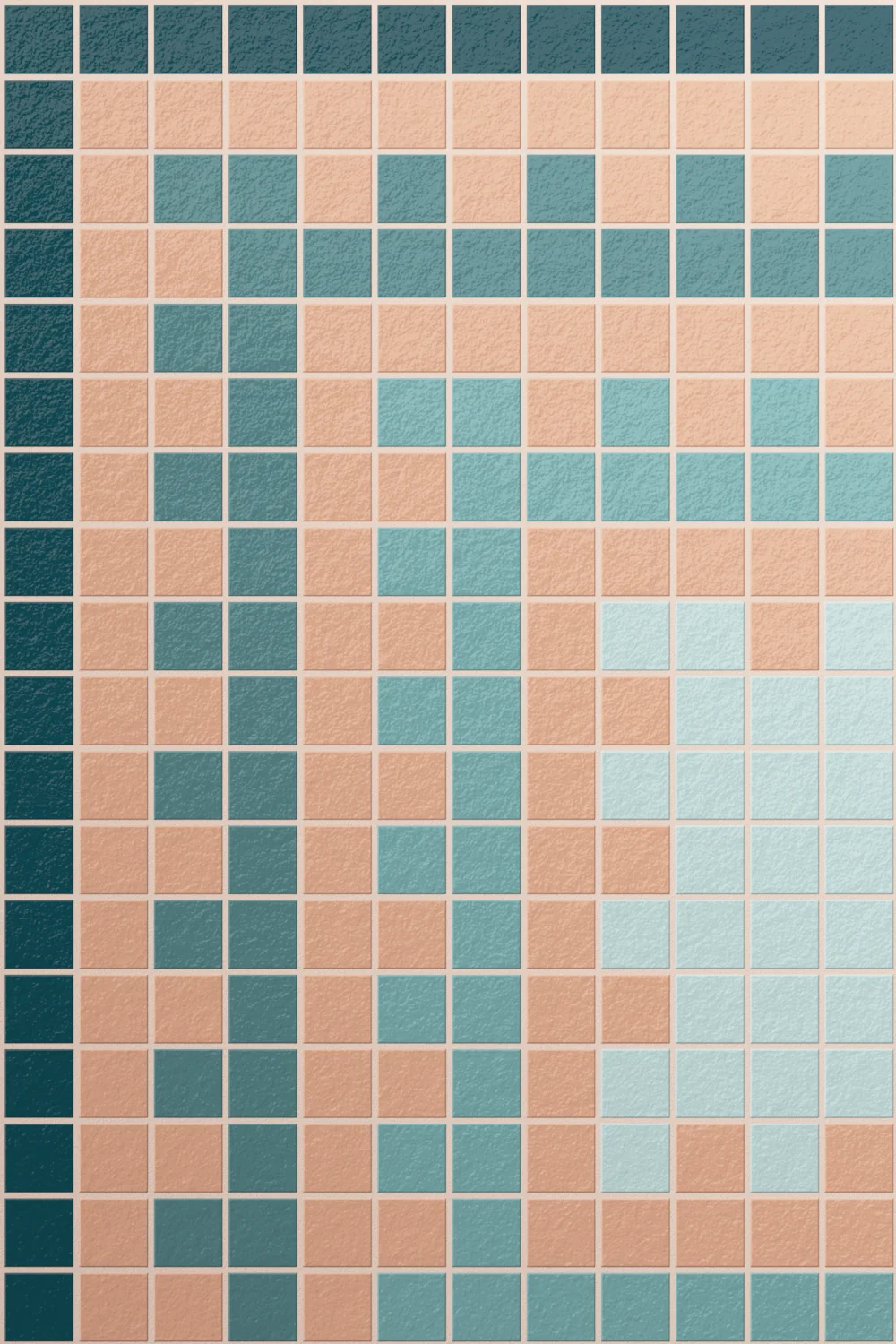
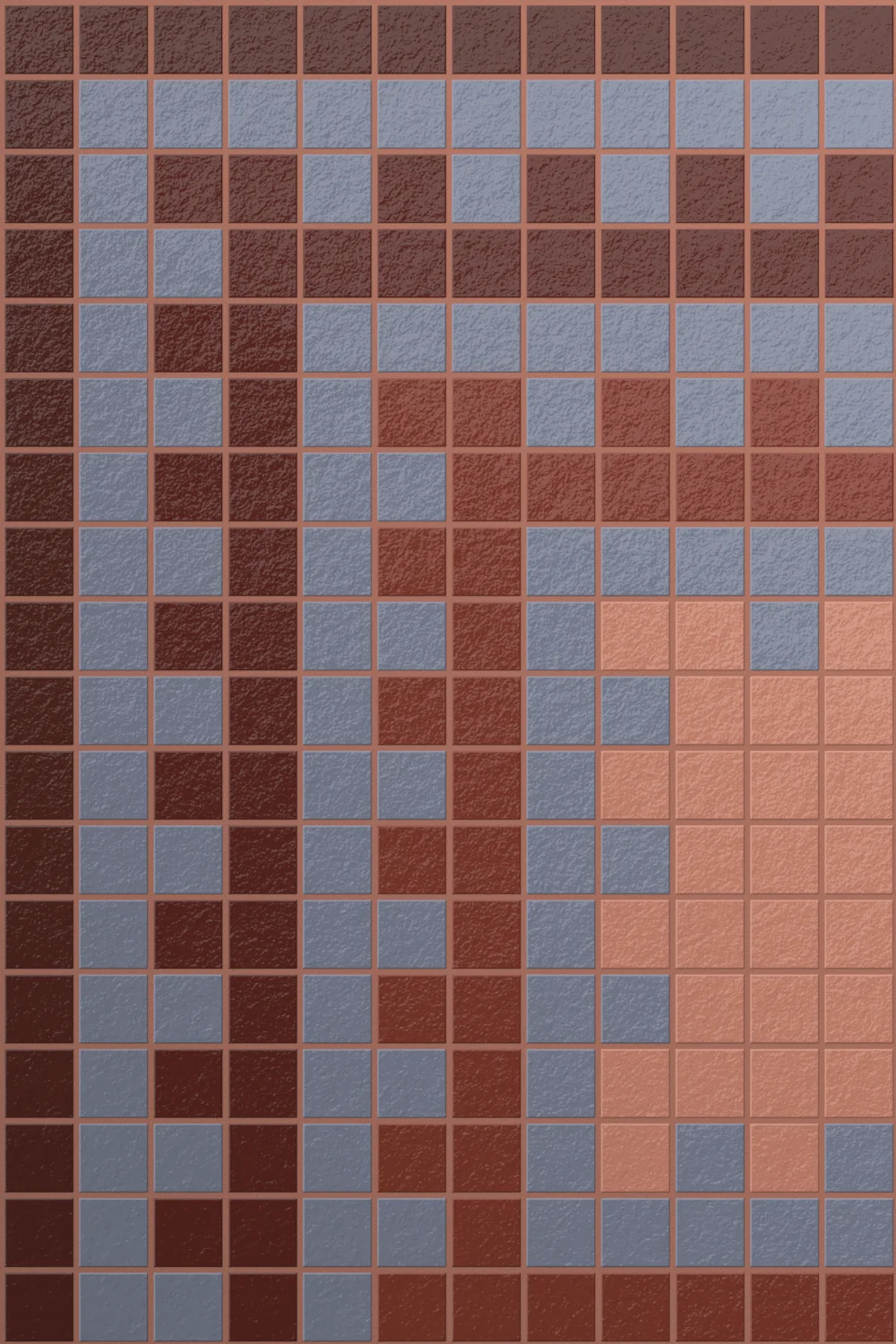
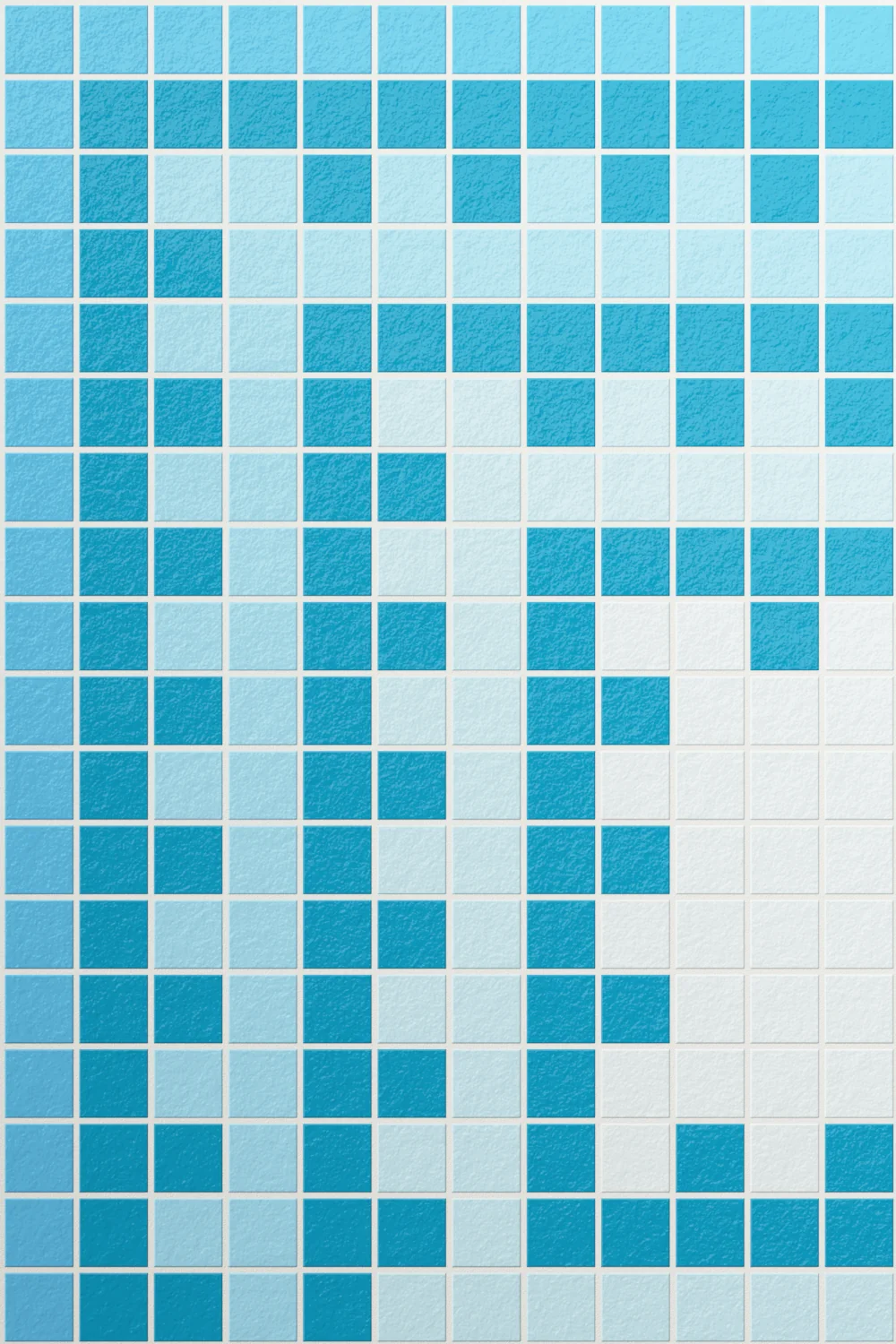
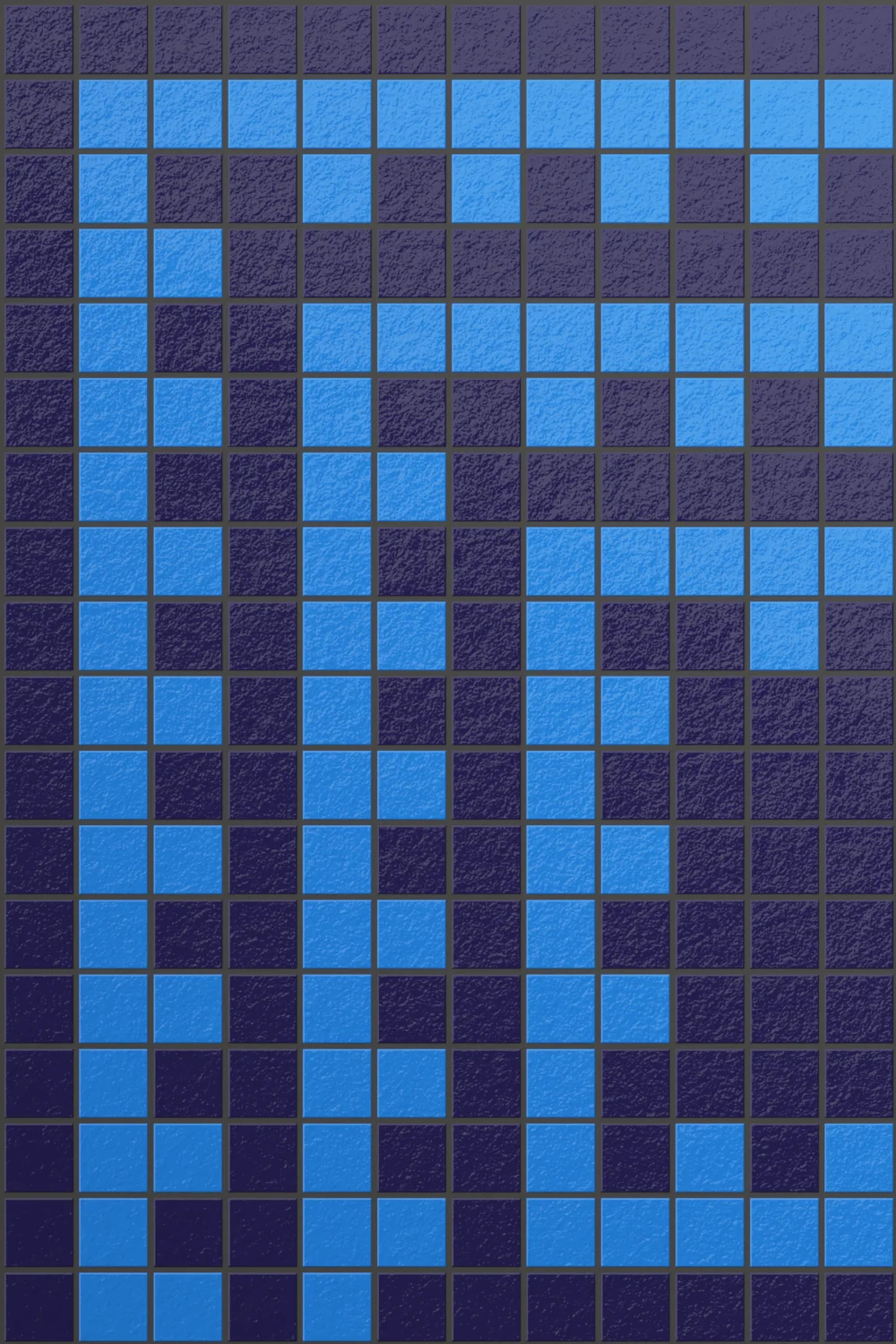
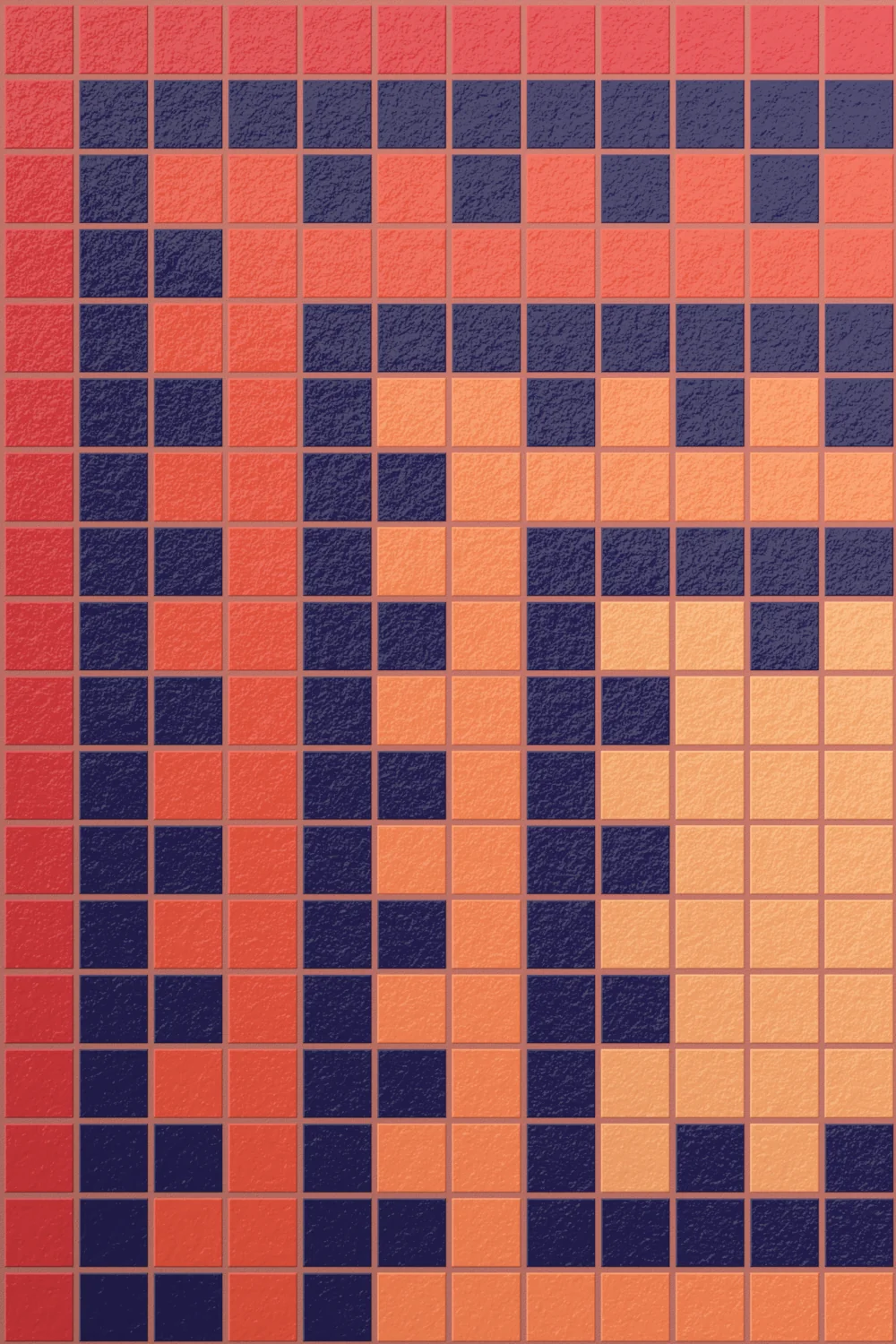
The Colours

About Tapi Mosaic
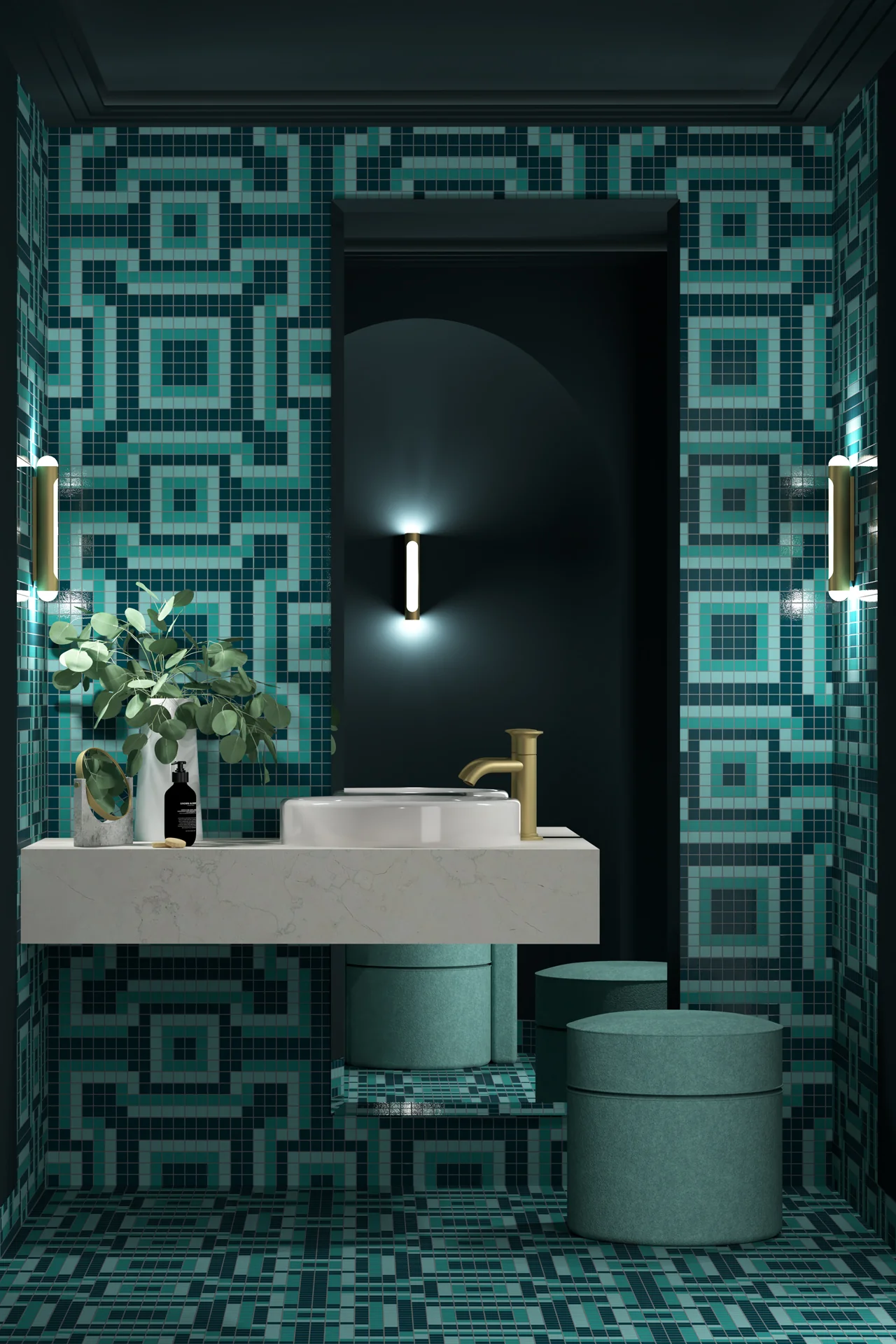
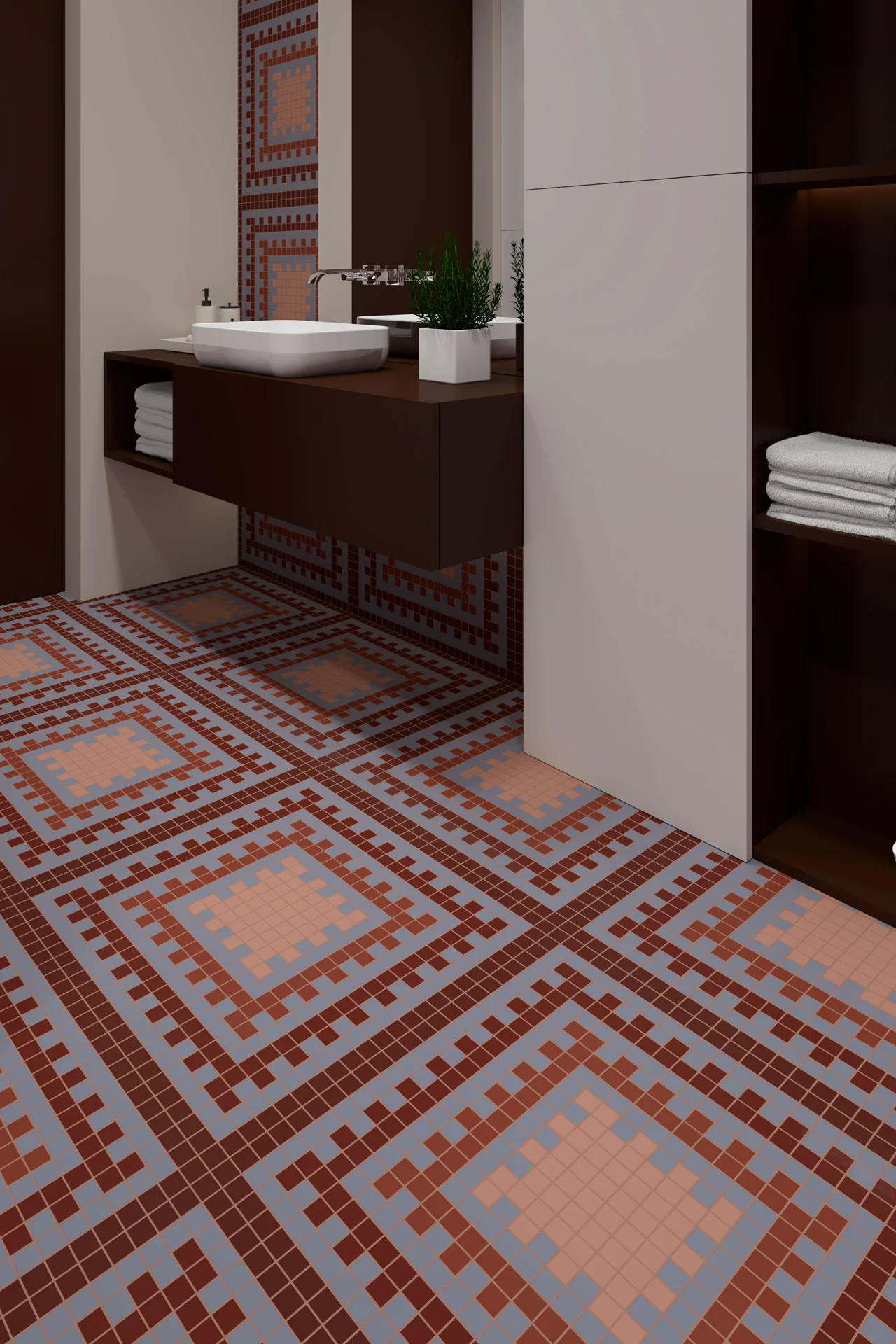
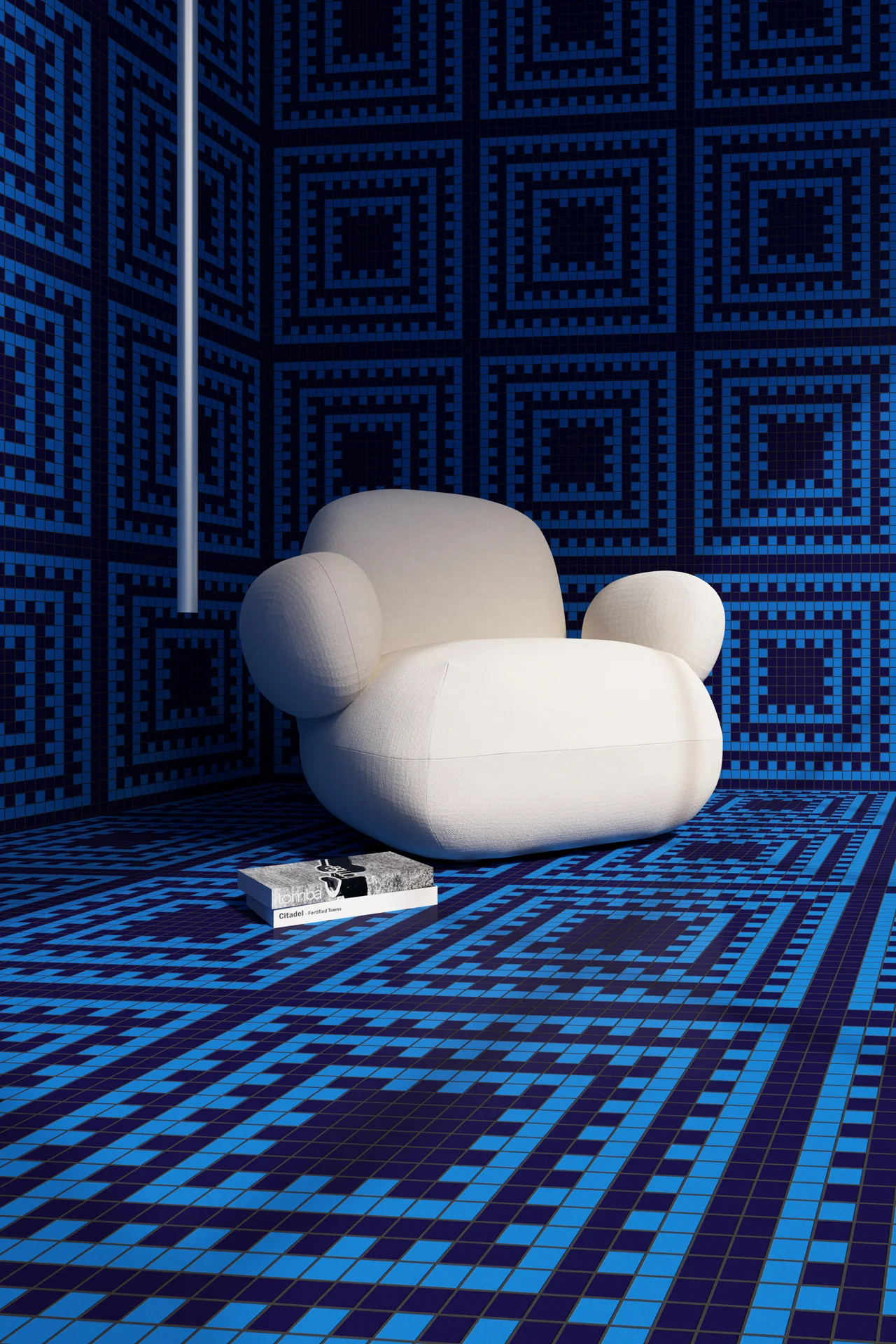
Tapi takes the idea of a rug and removes the object itself. What remains is the pleasure of a floor organised by pattern, with repetition giving an otherwise continuous surface a sense of scale and identity.
The reference is less to any particular textile tradition than to the familiar language of kilims and woven rugs. Repeated squares, borders within borders and shifts in tone create the impression of many small compositions held together. It recalls the way a carpet can establish its own territory within a room, even when its geometry extends far beyond a conventional rug.
There is something appealing about translating this textile language into mosaic. Rugs and mosaics share an ancient relationship with pattern. Both build an image from many small elements, and both turn repetition into something far richer than the individual unit suggests. One uses thread, the other tesserae, but the underlying thinking is remarkably close.
Tapi plays with that common ground. The repeated square becomes almost a pattern within a pattern, recalling the framed motifs often found in woven textiles. As those squares multiply, the impression of a single rug disappears. The whole floor becomes the textile.
That shift in scale gives Tapi much of its character. It borrows the warmth and familiarity associated with woven pattern, then makes it permanent. The result sits somewhere between carpet, mosaic and geometry, bringing the decorative language of one material convincingly into another.
Availability and Sales enquiries to Tessere Mosaico
Milano 23mm Mosaic