
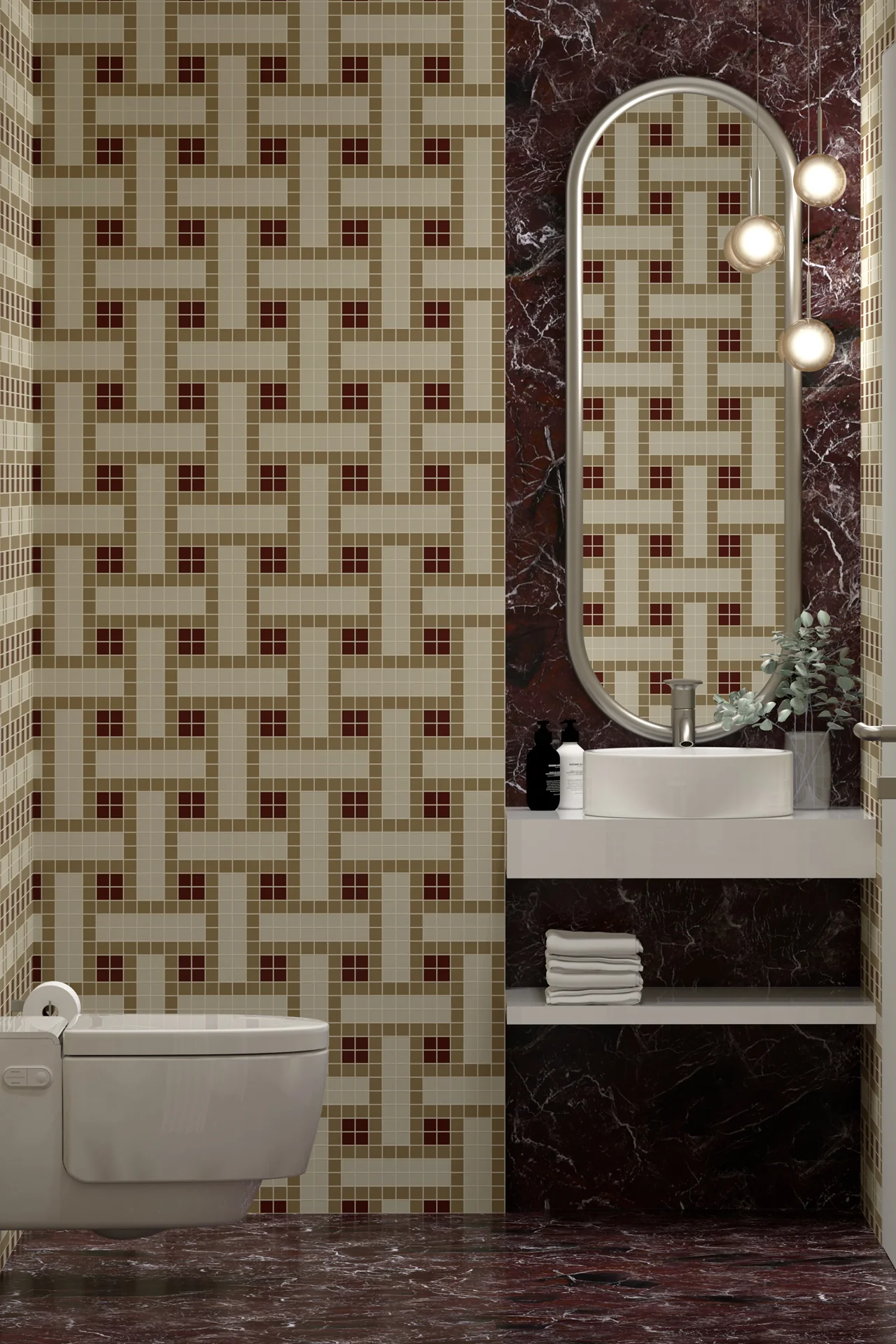
Trellis
The Colours
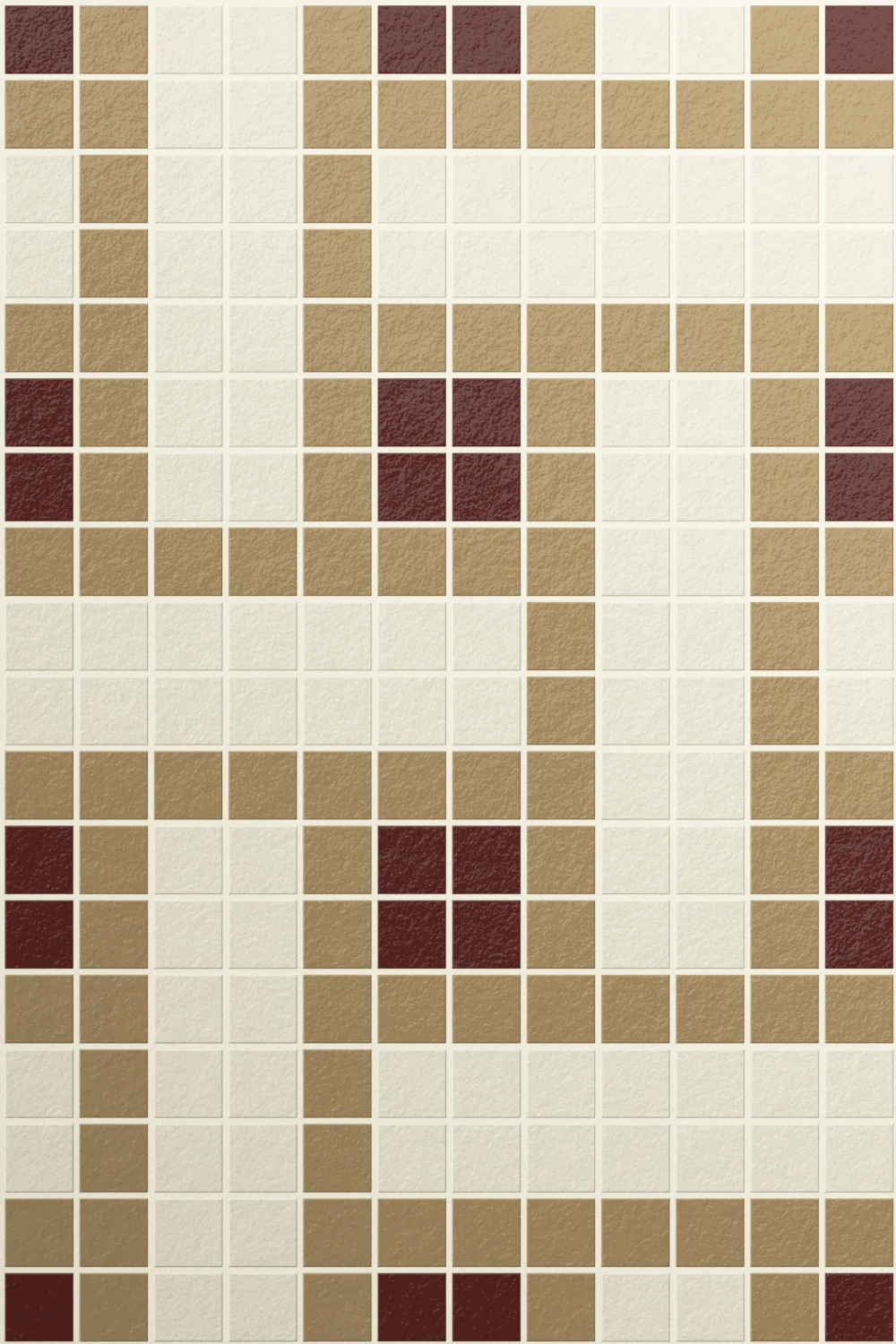
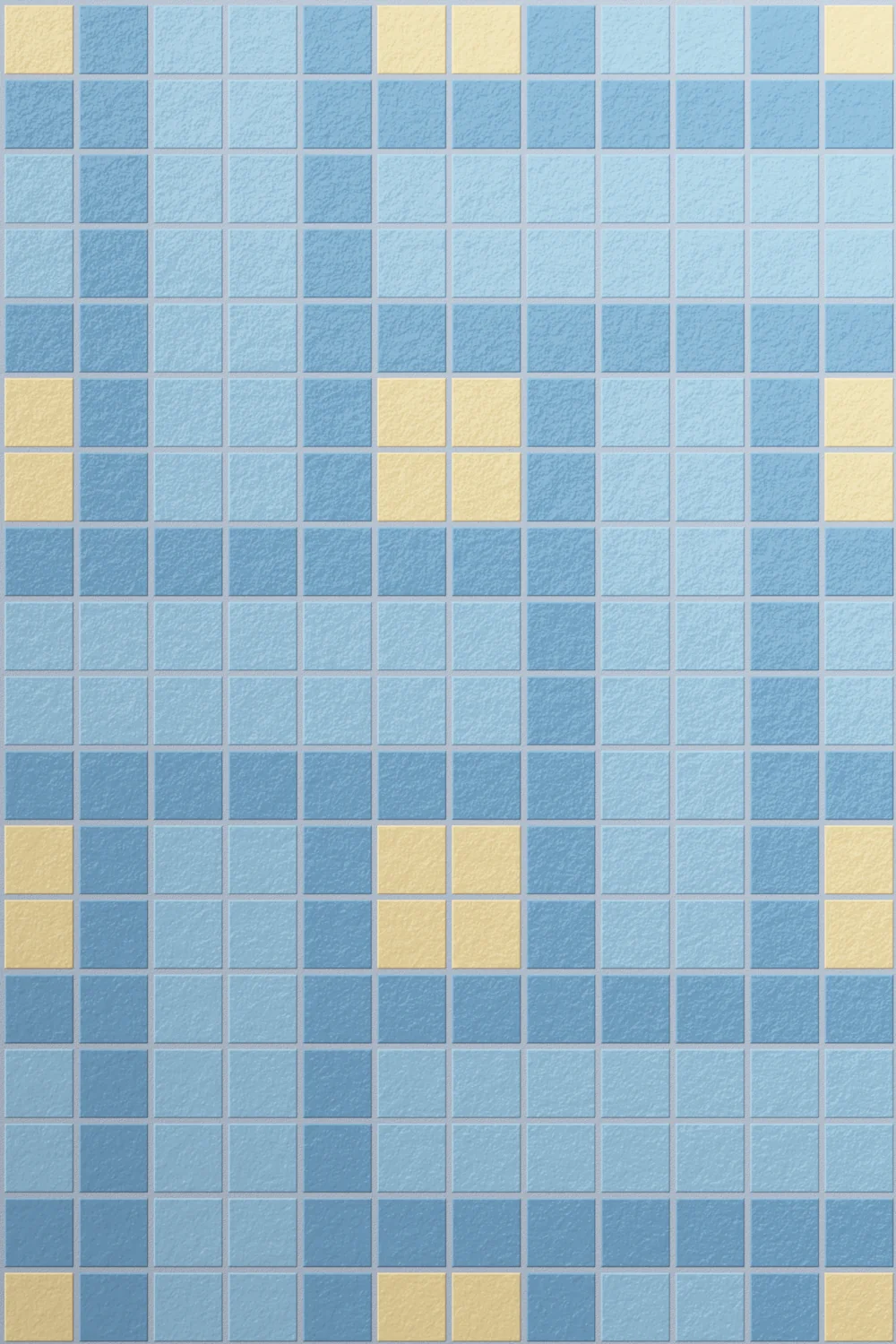
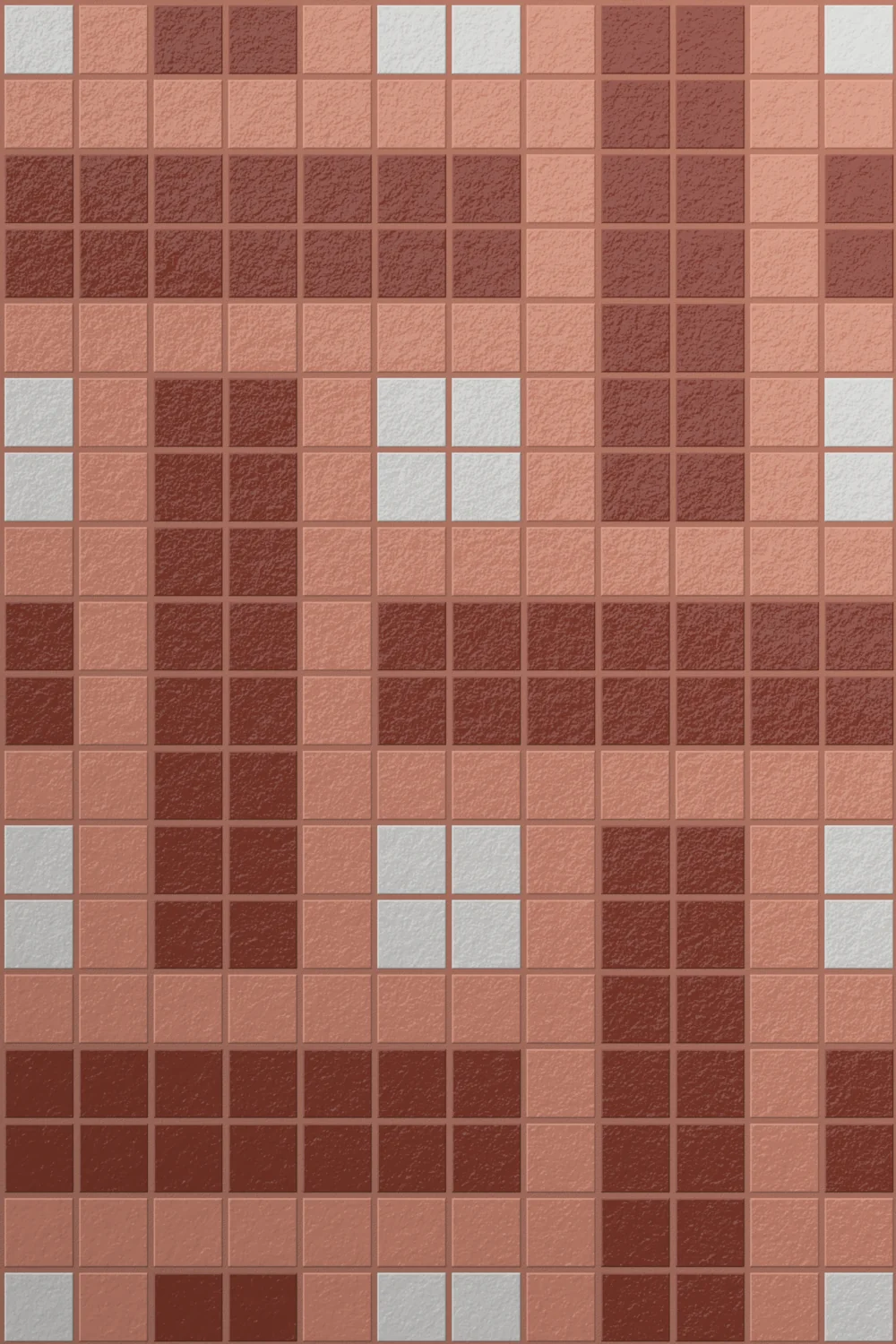
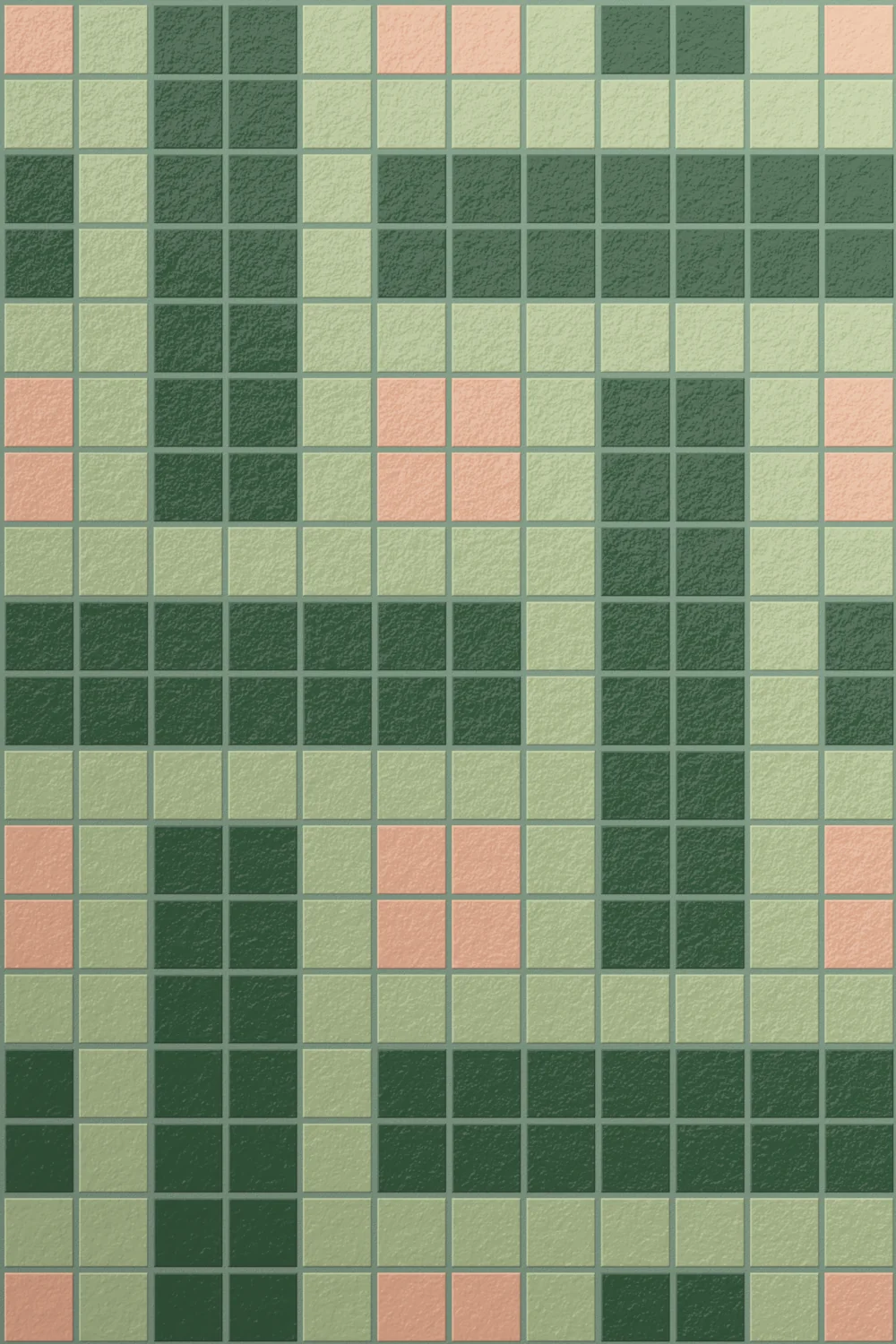
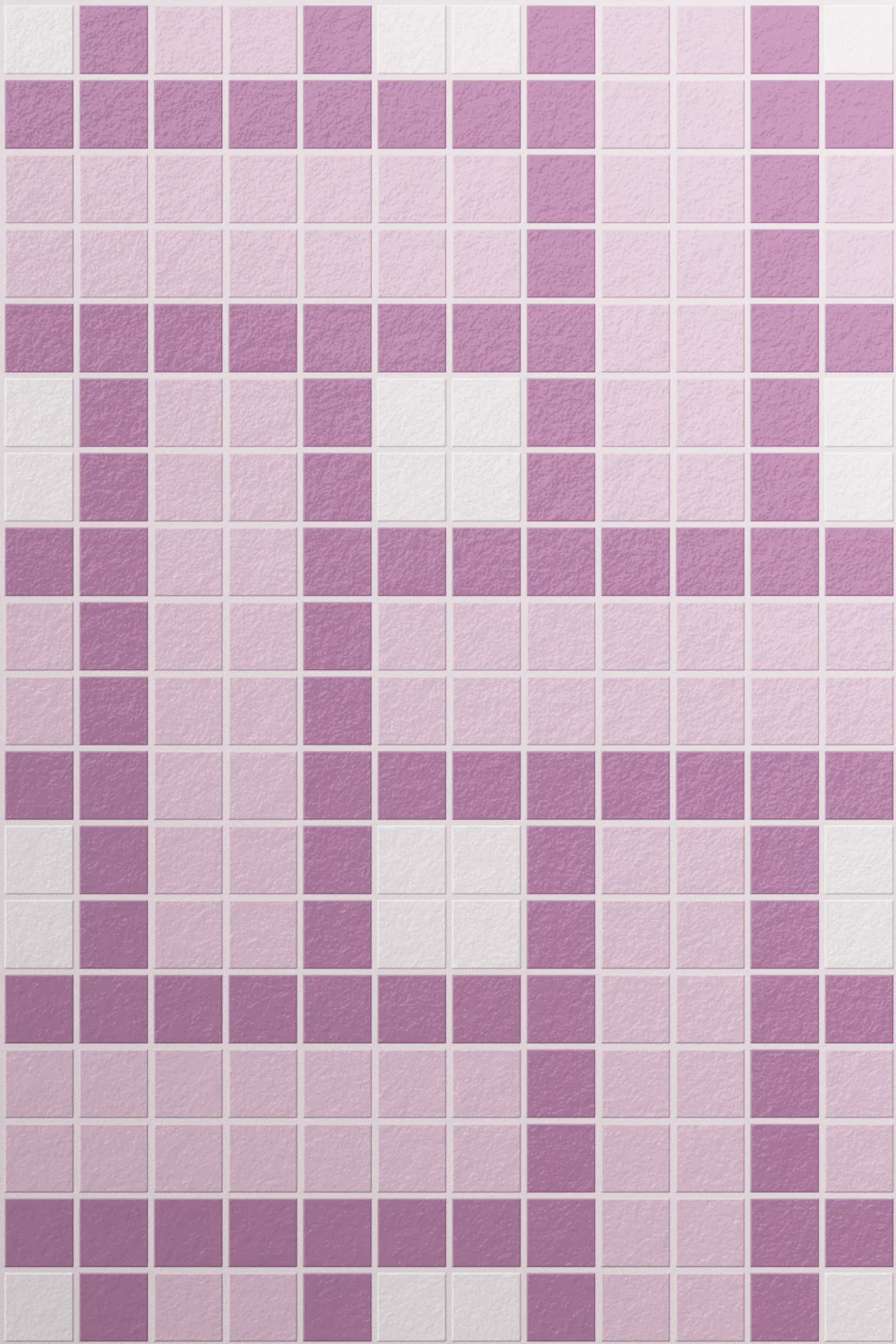



About Trellis Mosaic
Trellis belongs to the English garden. It is an ordinary piece of garden architecture, yet one that has developed a decorative identity of its own. Timber laths create a framework for climbing roses, jasmine or clematis, gradually disappearing beneath the plants they were built to support.
That relationship between structure and nature has made the trellis remarkably persistent. Its open weave provides order without enclosure, dividing space while allowing glimpses through. The same geometry appears on pergolas, garden screens and painted timberwork, becoming part of a familiar language of paths, borders and planted walls.
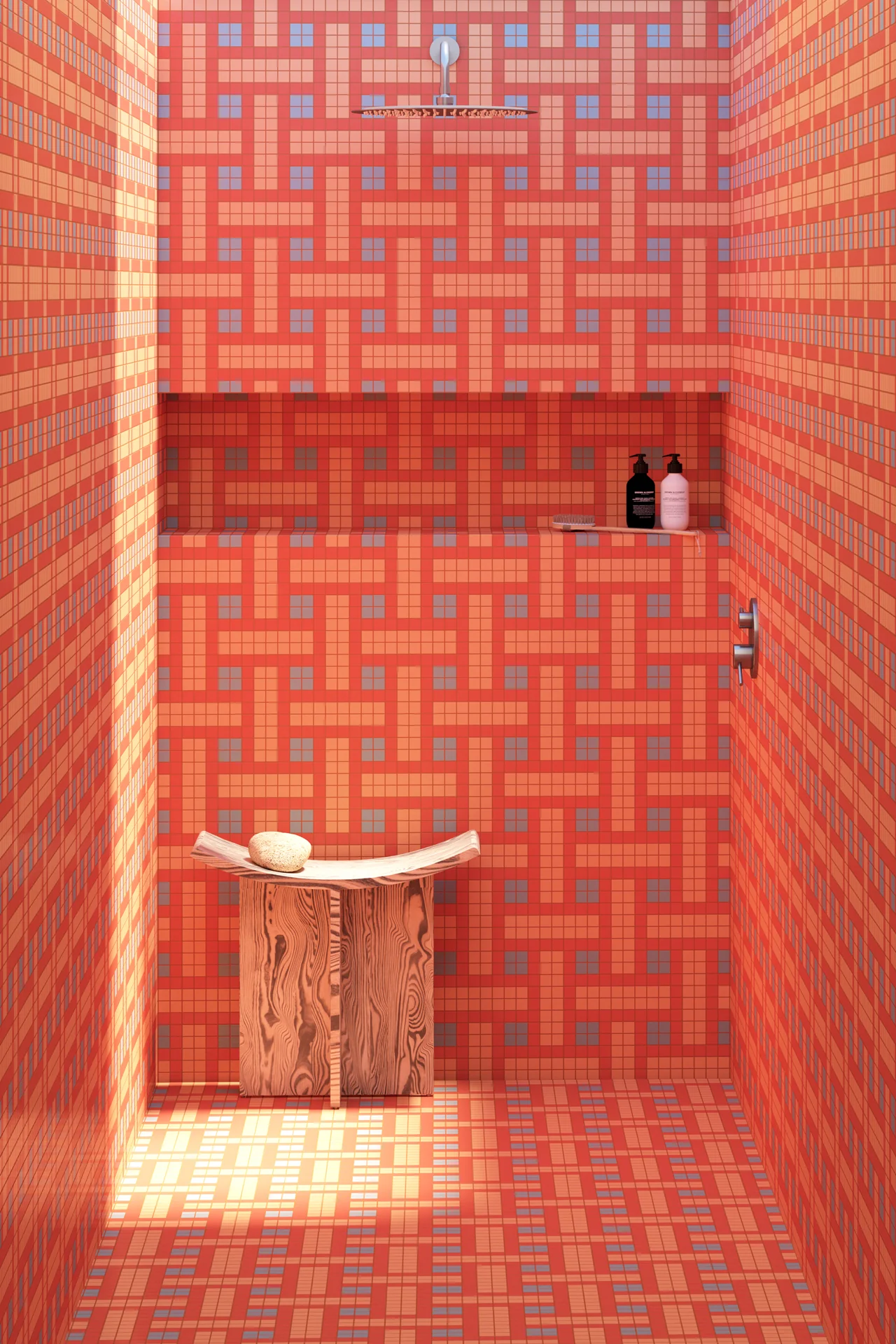
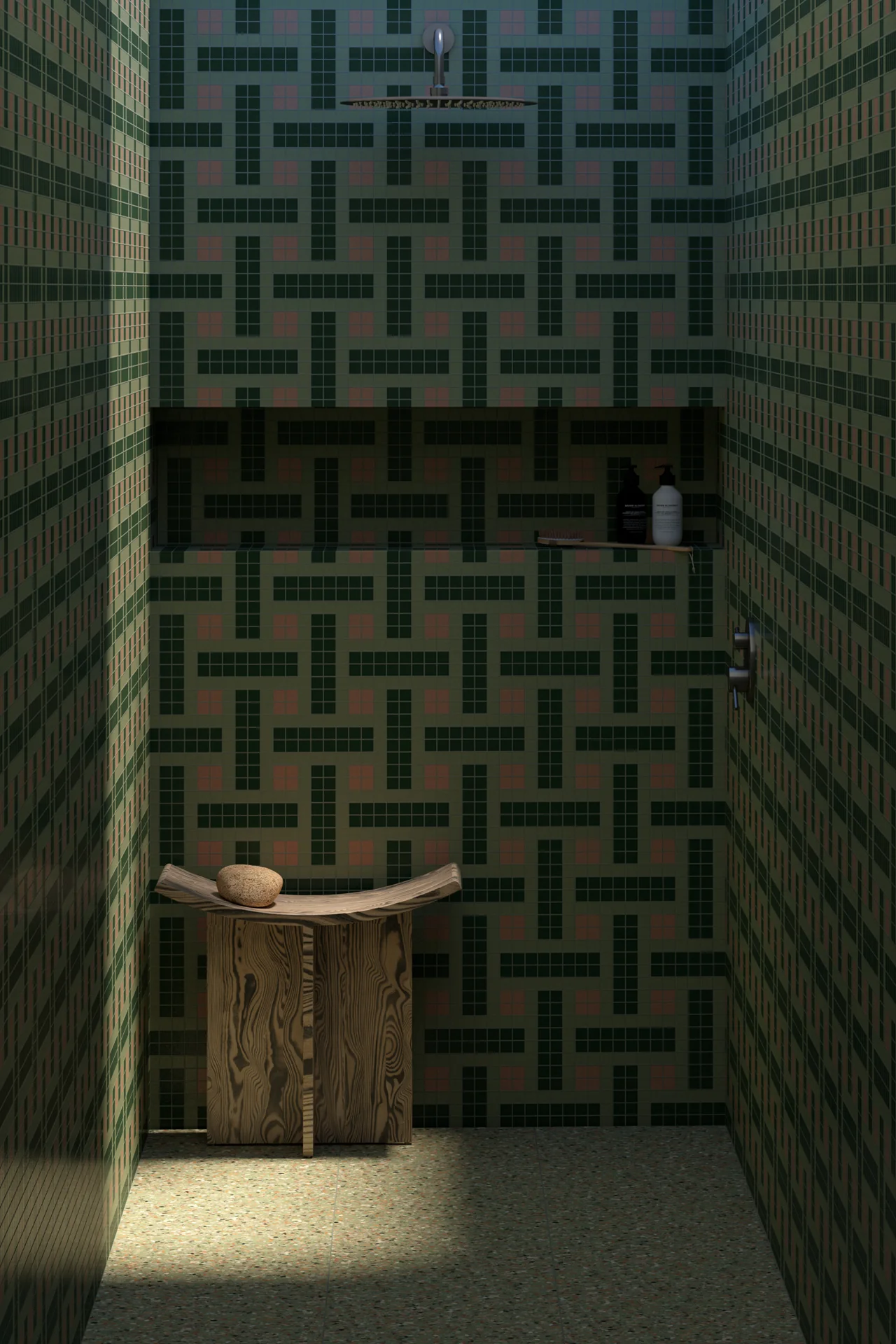
As a pattern, Trellis takes that modest reference and changes its scale. What might normally sit quietly at the edge of a garden becomes the main decorative gesture. The enlarged framework has something of the confidence of traditional latticework, while the small points within it recall the flowers and leaves that would normally occupy its openings.
There is also a pleasing reversal in translating trellis into mosaic. In the garden, it exists to support decoration. Here, the supporting structure becomes the decoration itself. What was once background moves forward.
Trellis therefore carries a little of the garden with it without becoming botanical. Its character comes from association rather than imitation. The geometry feels familiar because we have seen versions of it on garden walls for generations. Enlarged and repeated across a surface, that everyday structure finds an entirely different life as ornament.
Availability and Sales enquiries to Tessere Mosaico
Milano 23mm Mosaic