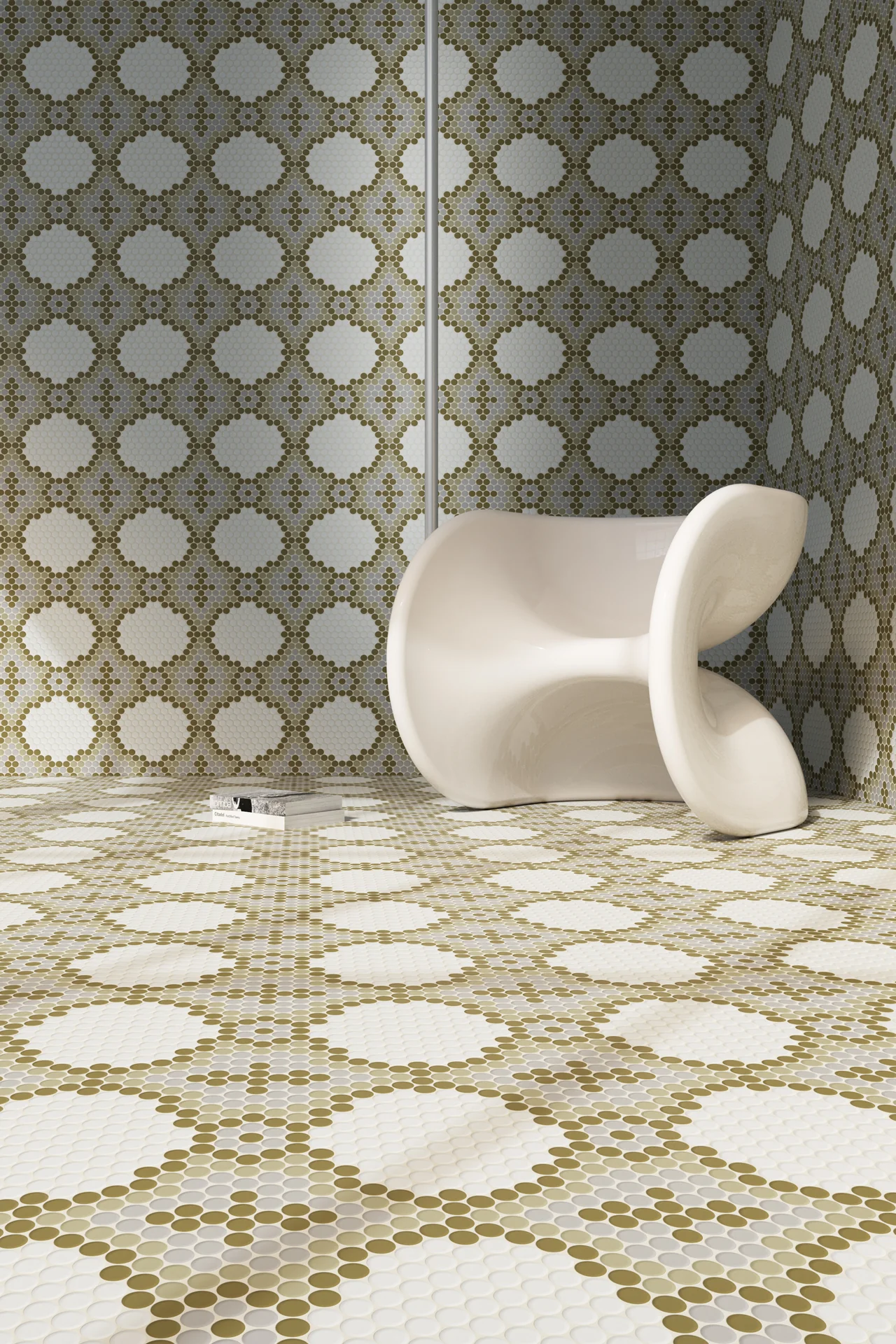
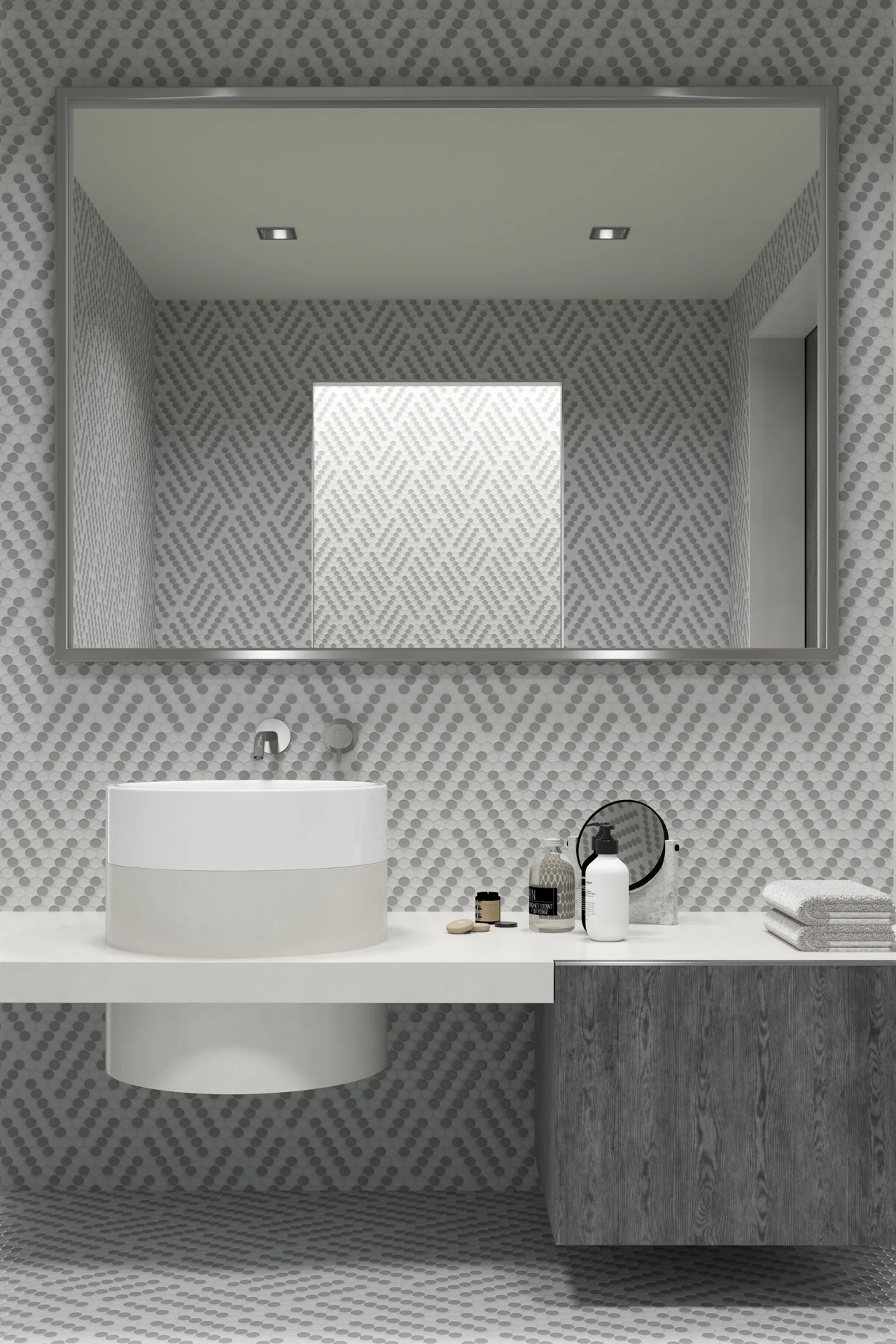
Cricket
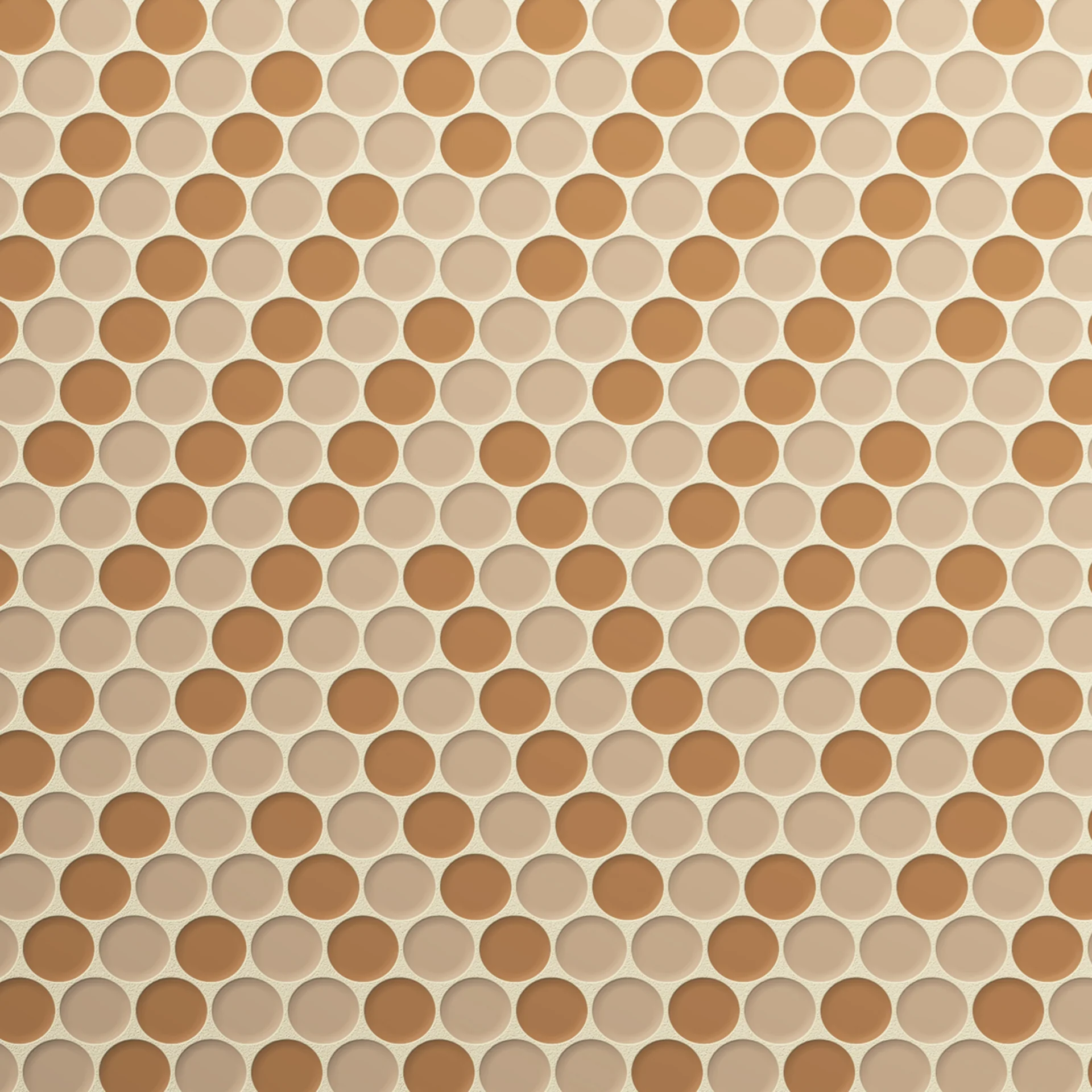
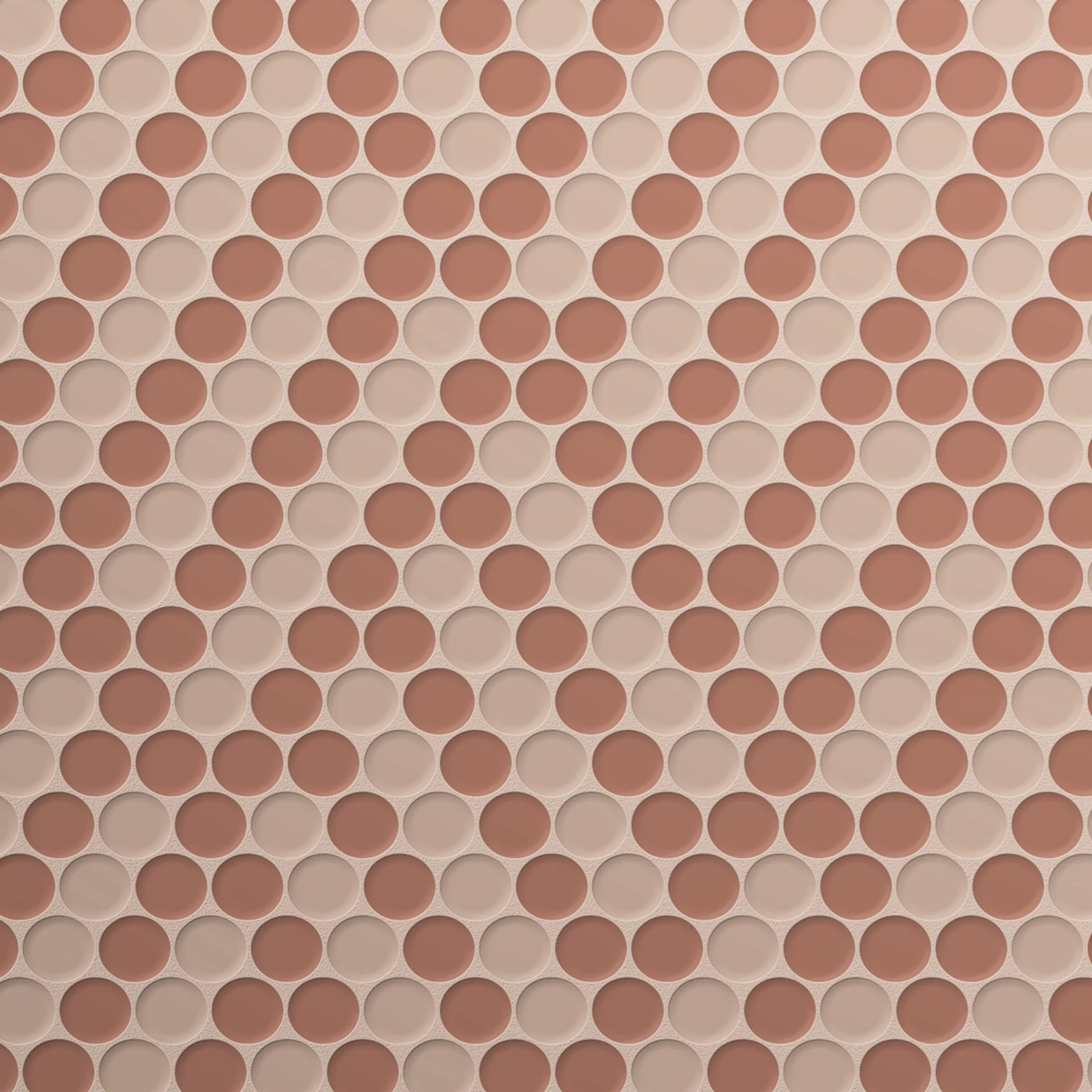
The Colours
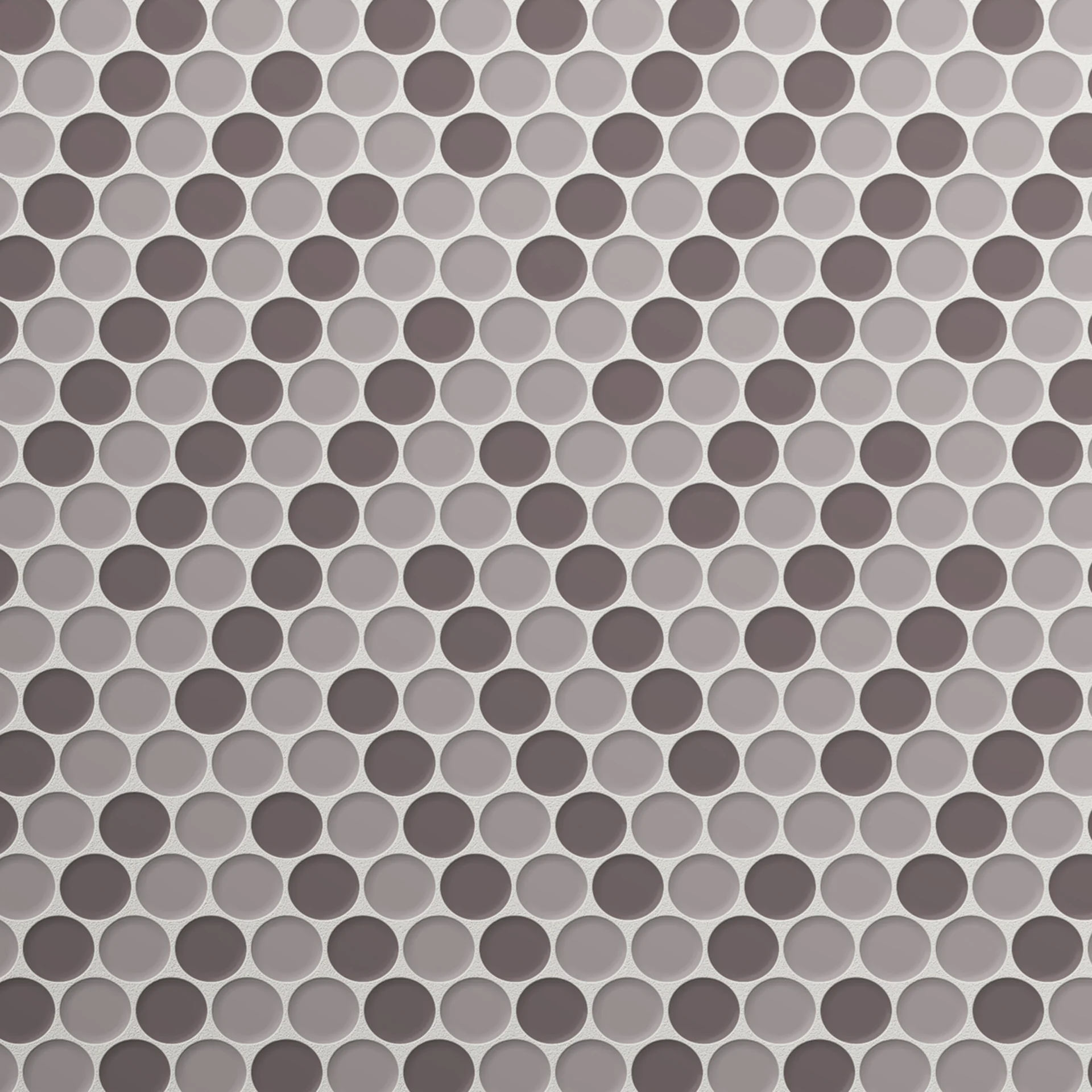
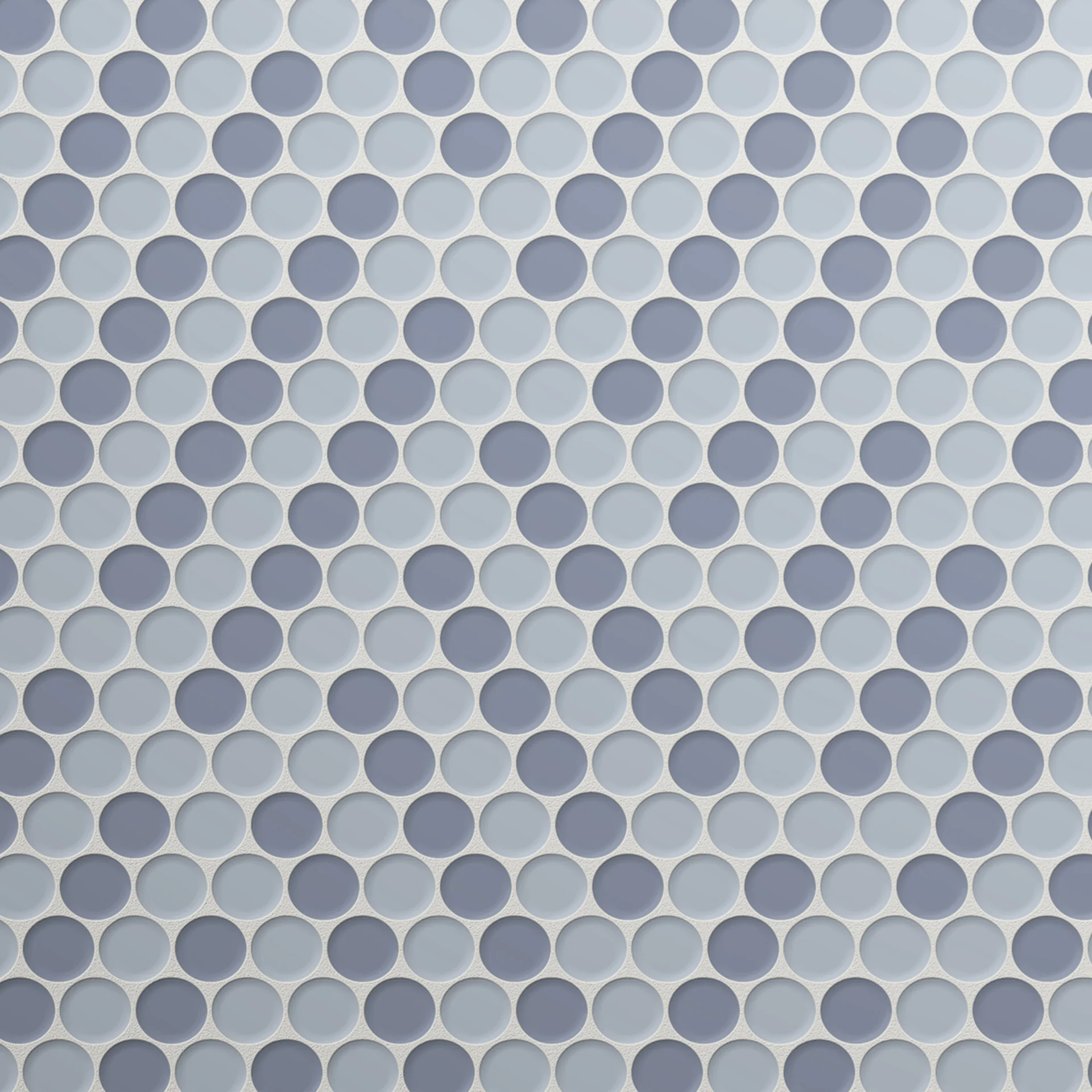
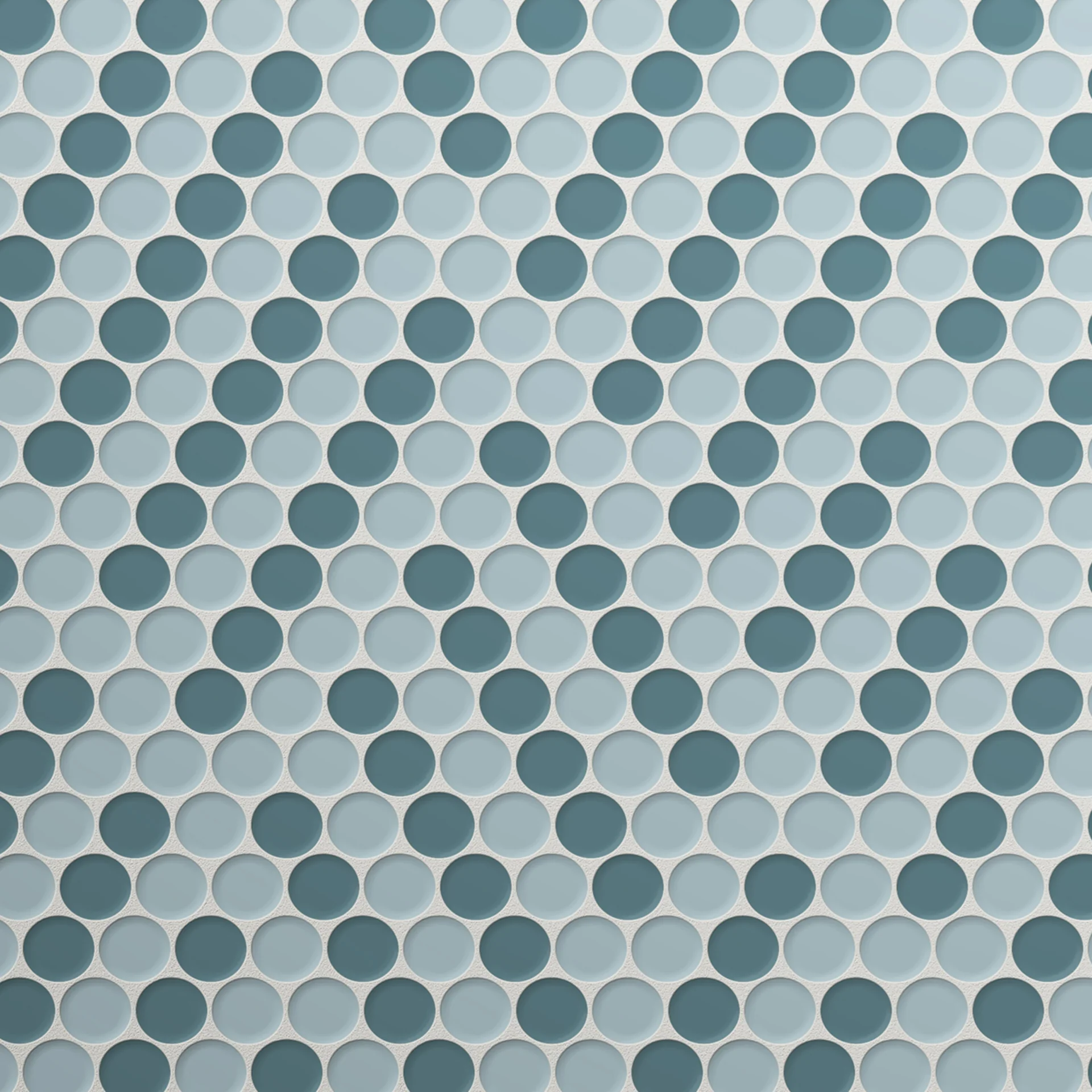
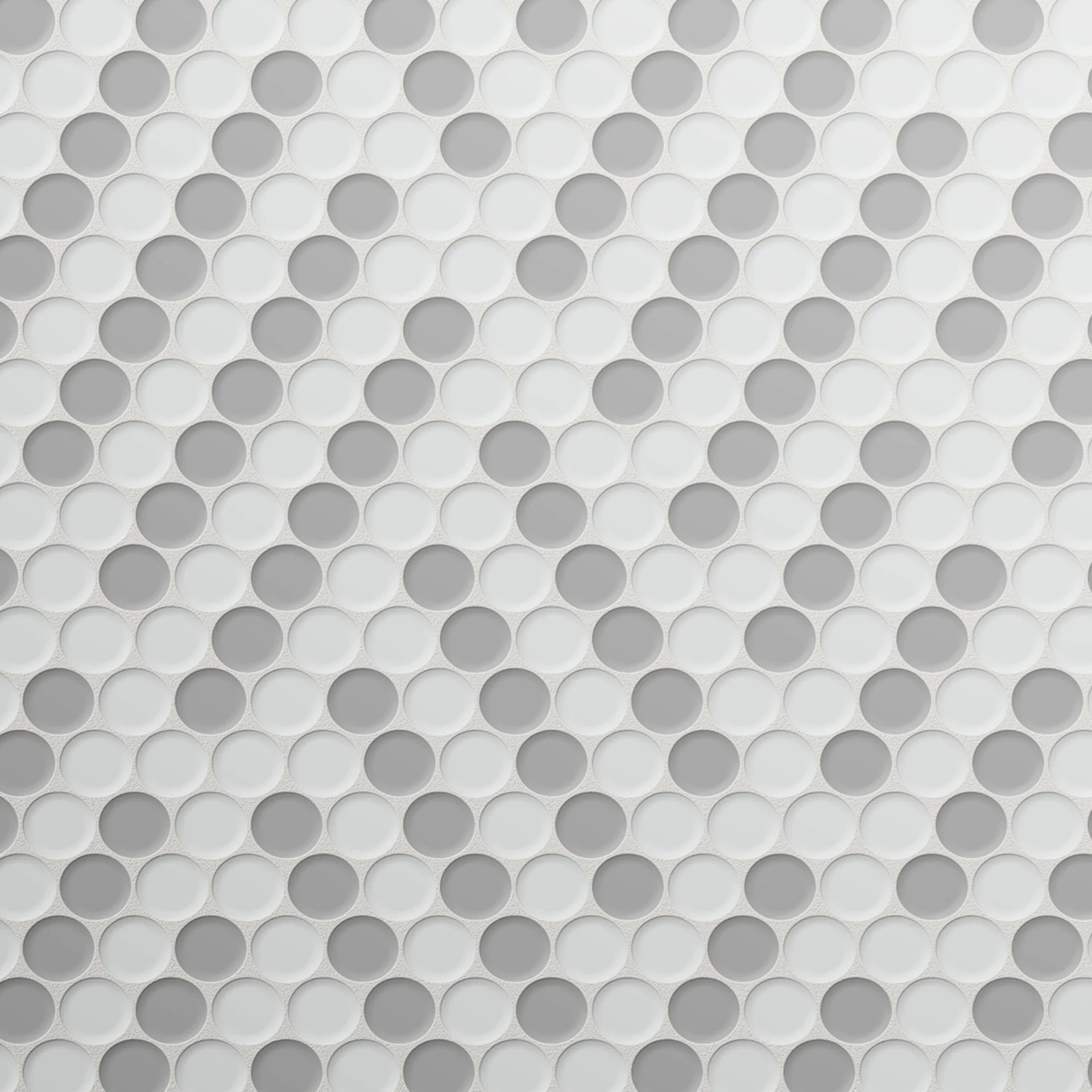

About Cricket Mosaic
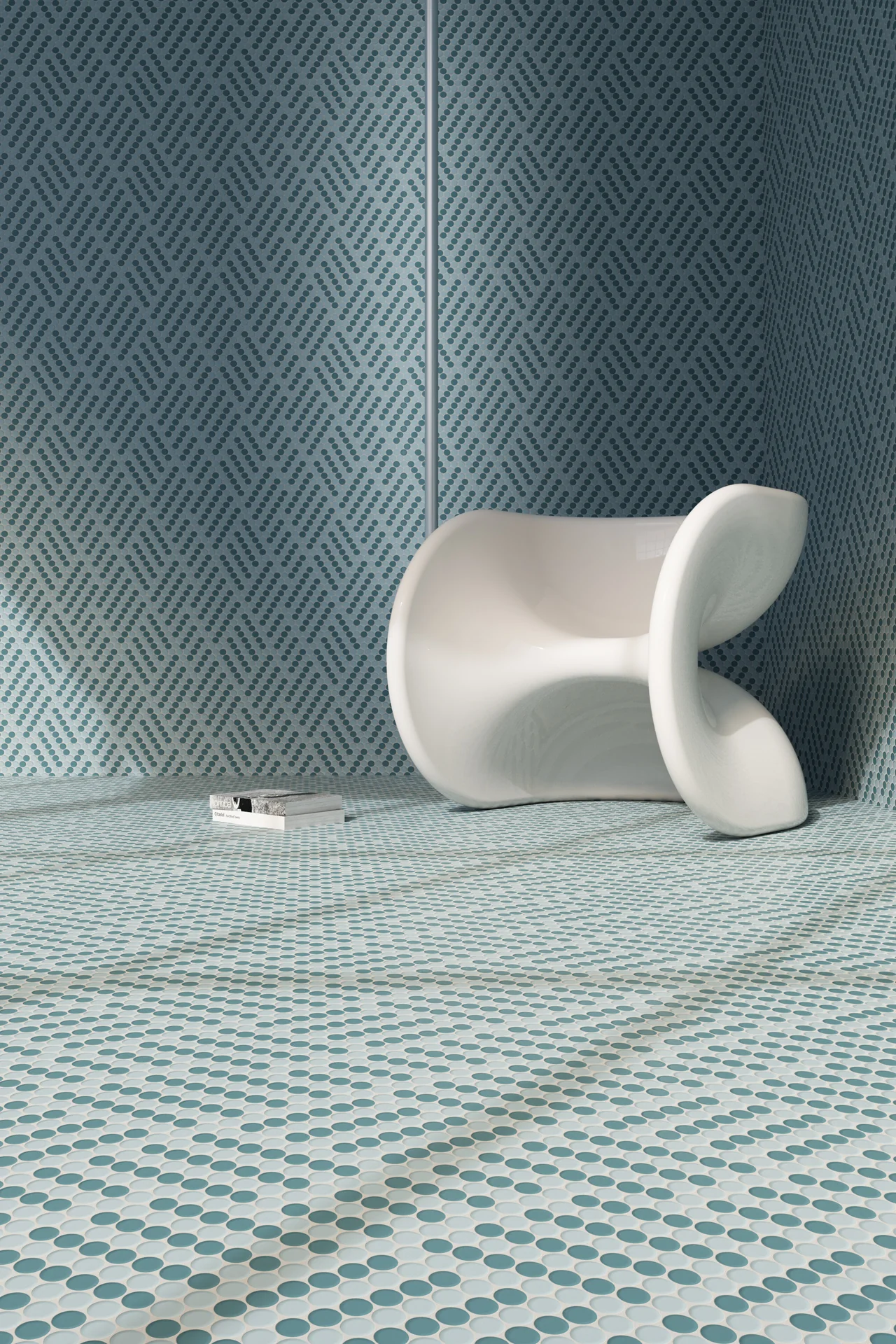
Cricket takes its cue from a surprisingly utilitarian source: stamped metal flooring plates. Their patterns exist primarily for grip. Yet function has produced a distinctive graphic language of its own.
The particular reference is the cricket weave pattern, with its alternating fields of cross-hatching. These small directional changes break a continuous surface into a sequence of opposing diagonals. Nothing decorative needs adding because the method already creates its own pattern.
There is a long history of functional surfaces acquiring an identity beyond their original purpose. Chequer plate offers an obvious example. Perforated screens, ventilation grilles and industrial flooring do something similar. Their geometry starts with performance, yet repetition turns engineering into something visually recognisable.
Cricket takes that idea away from its industrial setting. The circular Moranci pieces change the character considerably. Instead of stamped lines in metal, individual points collectively suggest the original cross-hatching. The reference remains, although the language has shifted.
That translation matters. A pattern designed to stop a foot slipping becomes the source for something deliberately decorative. It also reflects a recurring theme within the collection: useful geometry deserves attention too.
Cricket comes from noticing design where nobody particularly intended us to notice it. A factory floor plate may seem an unlikely starting point. Look closely, however, and it contains the same fundamentals found throughout decorative pattern: repetition, direction, contrast and order.
Availability and Sales enquiries to Tessere Mosaico
Moranci 20mm Round Mosaic